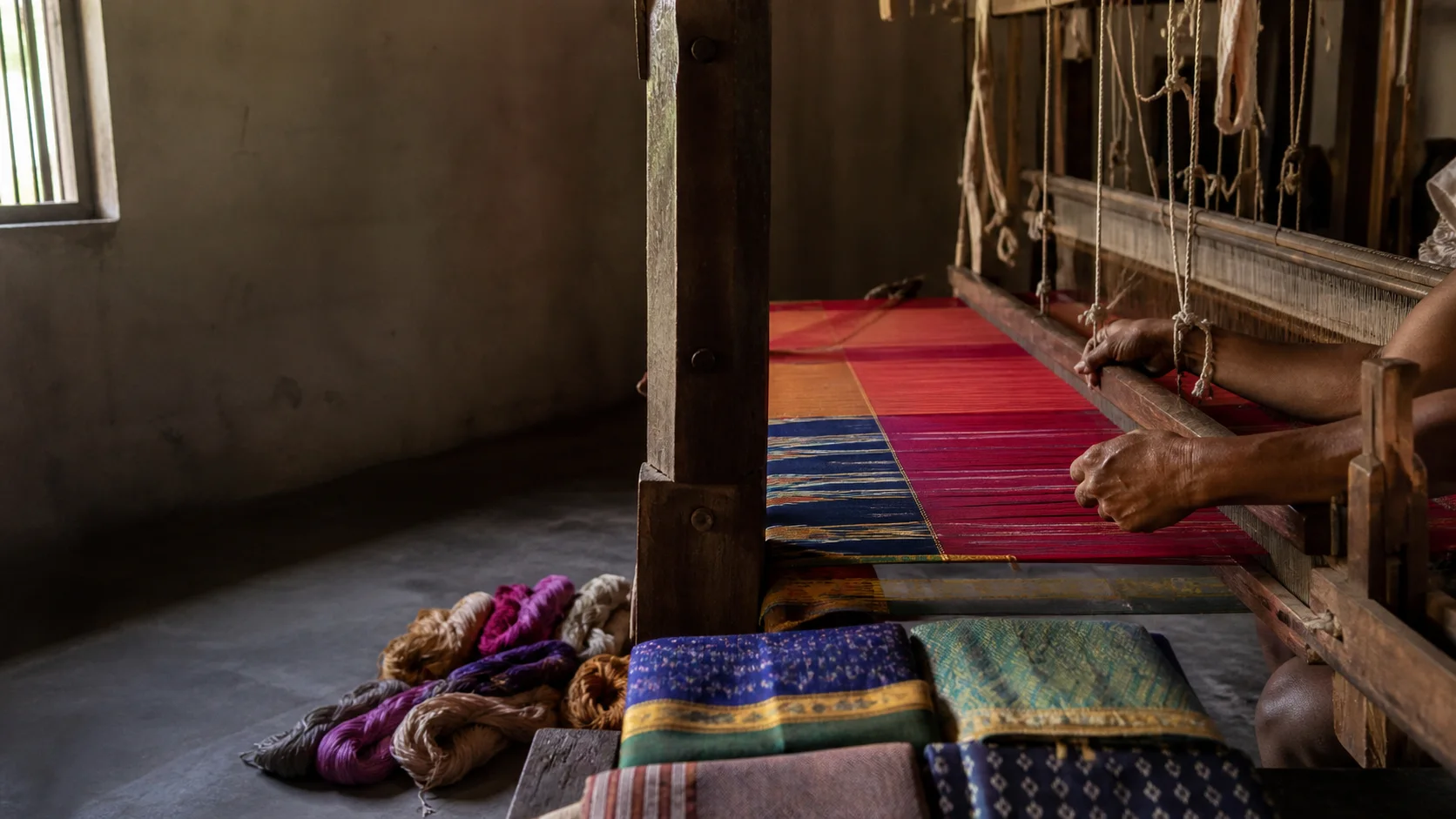
Why craft travel belongs on your 2026 itinerary
A loom, a carved model or a finished textile can change how you remember a place. You begin with an object, then discover the decisions behind it: material, time, design, tools and the skill of the person making it. A craft-focused weekend gives Tamil Nadu travellers a way to connect cultural sightseeing with work that continues in the present.
The subject is timely. EVENTFAQS reported on September 24, 2026 that Tamil Nadu's international tourism outreach included handicraft experiences, rural tourism and slow travel among products planned for 2027-28. These are directions being promoted, not proof that every proposed experience is already operating. Travellers still need to confirm actual visitor arrangements with individual venues and hosts.
A September 16 report from The New Indian Express on a Chennai tourism summit also highlighted the importance of local people earning from tourism. For someone planning a weekend, that raises a useful question: does the visit pay for an artisan's time and expertise, or simply take photographs of their workplace? The answer depends on how the experience is arranged.
This guide turns that discussion into practical choices. The examples below are suggested routes rather than organised packages or endorsements of particular sellers. Choose one area, arrange one meaningful craft encounter and keep the rest of the day flexible. You do not need to buy an expensive object to come home with a richer understanding of Tamil Nadu.
Sources for this section: September 2026 tourism outreach, Community tourism discussion.
Decide whether you want to watch, learn or shop
A demonstration, a class and a shop visit are different experiences. A demonstration lets you observe a process, usually with an explanation. A class gives you a supervised task suited to beginners. A shop focuses on finished products and purchasing. Some venues combine these, but the word workshop in an advertisement does not tell you which arrangement you are booking.
Ask the host what visitors actually do. Will you watch someone work, handle sample materials, try a technique or spend most of the time in a showroom? Find out how long the session lasts and whether the person explaining the work speaks a language your group understands. Clear expectations matter more than a dramatic description online.
Choose according to your group. A short demonstration can suit children with limited patience, while someone interested in textiles may enjoy a longer discussion about construction and care. Travellers shopping for a specific item should allow a separate buying window. Combining learning and an urgent purchase can make it harder to ask questions or compare options calmly.
Example one: a Chennai-area introduction at DakshinaChitra
For a first craft outing, a venue designed for visitors can simplify the day. DakshinaChitra's official activities page describes art and craft activities alongside contextual exhibitions. Its craft bazaar information also explains the opportunity for participating makers and organisations to sell directly. Check the current programme before travel; a general activities page is not a promise that every demonstration runs on your chosen date.
Build a relaxed day around the visit rather than adding several distant stops. Arrive with time to look at the displays, take a meal break and attend the activity you have confirmed. Ask staff which sessions are suitable for your group and whether separate tickets or advance registration are required. A smaller plan leaves room for a child to become interested in something unexpected.
For example, a family staying in Chennai could set aside one day for the museum and reserve the following morning for a city walk or rest. Someone already staying along the East Coast Road could make this the main cultural visit of a short break. Use the venue's own visitor information to confirm opening days, current charges and access arrangements.
Sources for this section: DakshinaChitra activities, Craft shop and bazaar, Visitor information.
Example two: a Kanchipuram textile day with time to look closely
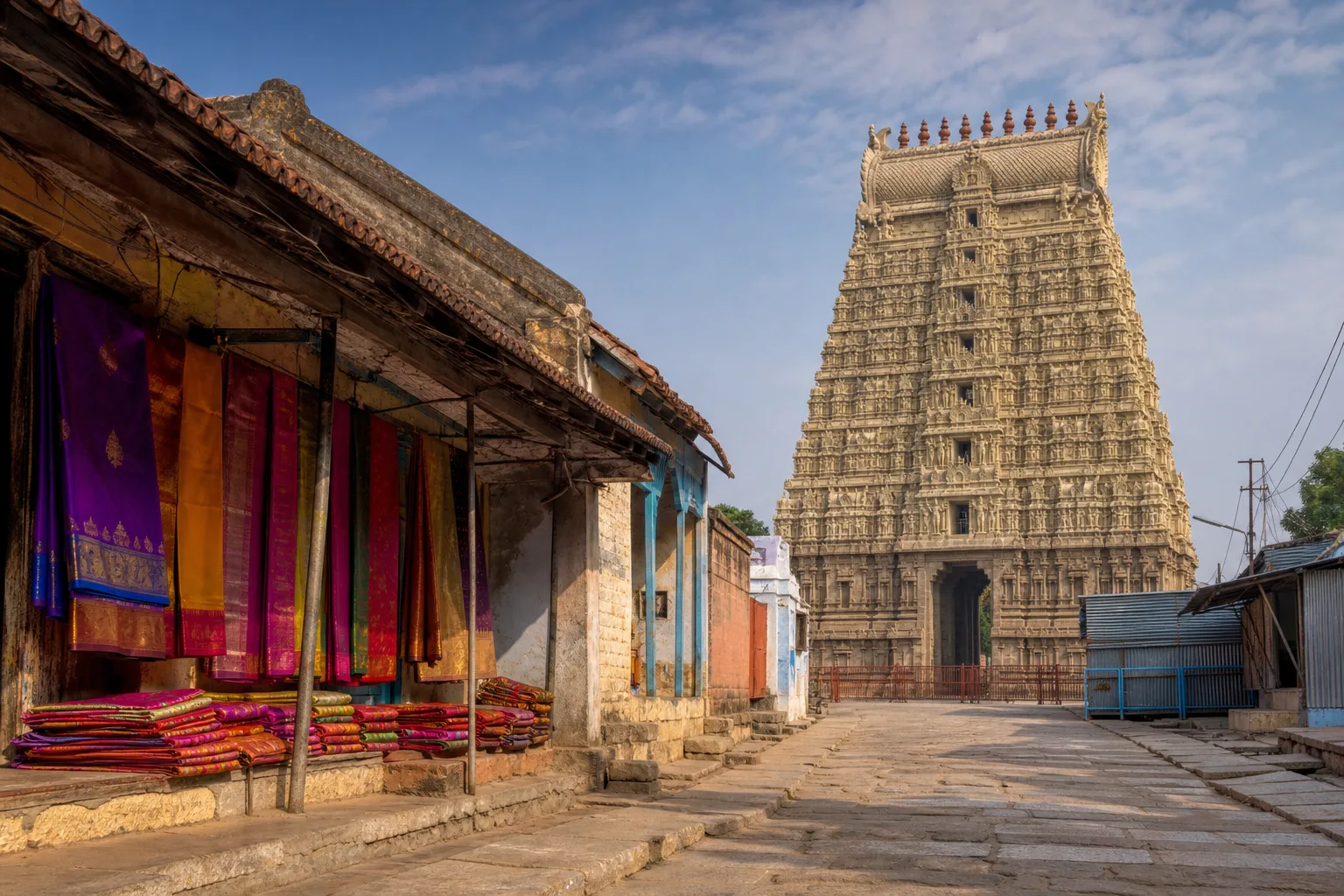
Kanchipuram is a natural choice for travellers interested in silk; the Ministry of Tourism's destination guide places its weaving tradition alongside the city's temple heritage. But a journey to a textile centre does not guarantee access to a working loom. Arrange any demonstration through a host who can explain the visitor terms and confirm the appointment before you set out.
For a manageable day, choose one confirmed textile visit, lunch and one cultural stop. During the visit, ask the maker or guide to explain a feature you can actually see: the border, the reverse of the cloth, the pattern or the finishing. Let the person decide which materials you may touch. Observation becomes more useful when the explanation is tied to the object in front of you.
Keep shopping separate from the demonstration fee where possible. Ask what materials and production methods the seller is claiming, and request that important purchase details appear on the receipt. Do not assume that every product sold in a famous weaving town was woven there. If comparing several pieces, give yourself time and avoid making a large purchase simply because a driver or guide is waiting.
Sources for this section: Kanchipuram destination guide.
Example three: a Swamimalai craft visit from a Kumbakonam base
The Development Commissioner (Handicrafts) identifies Swamimalai with bronze icons and a sculptural tradition associated with the Chola period. That background gives a visit depth, but it does not mean a traveller can arrive at any workshop and watch a complete casting. Working studios follow production schedules, and different stages may happen on different days.
Stay in or around Kumbakonam if that fits your wider journey, then arrange a short visit with a willing studio or knowledgeable local guide. Ask what stage of work will be visible. Looking at a model or discussing finishing can be worthwhile even when casting is not taking place. Treat the suggested route as a framework that depends on a confirmed appointment.
A two-night example is simple: arrive and settle in on the first evening, make the craft visit your main appointment on the second day, and add a modest temple or town walk afterwards. Leave the final morning for breakfast and your onward journey. Avoid promising children that they will pour metal or handle tools; participation depends on the host's rules and the nature of the work.
Sources for this section: Swamimalai bronze icons.
Seven questions to ask before booking
Begin with availability and access. Ask whether the host welcomes visitors on your date, how many people can attend and how long to allow. Clarify whether the fee covers interpretation, materials and any item you make. A studio may welcome a small group but be unable to accommodate a large party or an unannounced arrival.
Then ask about practical needs. Are there steps, seating, toilets and somewhere to wait out rain? Can a companion observe without joining the activity? Does the session involve standing for long periods? These details help families and older travellers choose an experience they can enjoy. Keep the host's written response with your booking details.
- What will we see or do during this particular session?
- Who will explain the work, and in which language?
- What is included in the full price for our group?
- Are there age limits or access constraints?
- May we photograph the process, products and people?
- Is buying a finished product optional?
- What happens if the host or traveller needs to cancel?
Make the visit worthwhile for the maker
An artisan explaining a process is giving you time that could otherwise go into production. Agree on a visit or teaching fee in advance when one is offered. Paying for an explanation can be a useful way to support the encounter without creating pressure to buy something you do not need. If a guide arranges access, ask what the quoted price includes.
Keep your appointment and contact the host if delayed. Ask before touching tools, moving objects or entering another room. A workplace may also be part of a home, and permission to enter one area is not permission to explore everywhere. Good visitor manners make it easier for hosts to keep welcoming future groups.
Photography needs its own conversation. Permission to photograph a finished object does not necessarily include filming the maker, recording a full lesson or posting every design online. Ask first and respect a refusal. If you publish a photograph with permission, check how the maker wants to be named and avoid adding personal details they have not agreed to share.
Buy with a purpose and ask for clear details
Before shopping, decide what would genuinely suit your home or wardrobe. Size, weight, maintenance and everyday usefulness matter as much as the story of the visit. A beautiful object that you cannot carry or care for may be a poor purchase. Taking notes and returning later is reasonable when you need time to think.
Ask specific questions about materials, maker, place of production and care. For textiles, discuss cleaning and storage. For fragile pieces, ask how they will be packed and whether delivery is available. If ordering something to be made later, get the specification, total price, expected completion date and delivery arrangement in writing.
A famous town name or a compelling sales story is not enough to establish an individual object's origin. Request an itemised receipt and clarification of any certification claim. Compare like with like instead of using the lowest price as the only measure. Different materials, construction and finishing can explain why apparently similar pieces cost different amounts.
Budget for the experience before the souvenir
Split your weekend budget into transport, accommodation if needed, meals, the visit or class, and optional purchases. Keep shopping money separate so that an expensive souvenir does not force you to rush the rest of the trip. Compare the full travel cost: a remote appointment with a private transfer may cost more overall than a longer session close to your base.
For example, two adults planning a day outing could begin with an illustrative Rs 5,000 ceiling: Rs 2,000 for travel, Rs 1,500 for entry or an agreed session, Rs 1,000 for meals and Rs 500 as a buffer. These figures are a budgeting exercise, not quoted prices. Replace them with actual transport and host charges before deciding whether the plan works.
Schedule one main appointment per day. Leave time for directions, a late lunch and questions that take longer than expected. If the host cancels, use a museum, town walk or other public attraction as the fallback. Avoid turning a cancellation into an uninvited visit to a different artisan's private workspace.
Bring home an understanding, not just an object
At the end of the visit, write down one technique, one material and one detail you had not noticed before. Keep the maker's publicly shared contact details if you may order later, and record care instructions while they are fresh. These small steps make the encounter useful beyond the weekend and reduce misunderstandings about later purchases.
The strongest Tamil Nadu craft trip is not necessarily the one with the most workshops. It is the one where the host had time to explain, the visitor had time to listen and the arrangement worked for both. Start with a single confirmed experience and let the surrounding food, streets and cultural places give it context.
Sources & Further Reading
These authoritative references support the historical, geographic, or seasonal context in this story. Current conditions and operating details still require a fresh official check.
- Tamil Nadu Tourism Engages with French Travel Trade at IFTM Top Resa · EVENTFAQS India
- TNIE Tourism Summit: Villagers should be able to make money from tourism · The New Indian Express
- Activities · DakshinaChitra
- Craft Shop & Crafts Bazaar · DakshinaChitra
- Visit DakshinaChitra · DakshinaChitra
- Kanchipuram · Incredible India, Ministry of Tourism
- Swamimalai Bronze Icons · Development Commissioner (Handicrafts), Ministry of Textiles
Frequently asked questions
What is craft tourism in Tamil Nadu?
It means planning part of a trip around local making skills, through a demonstration, class, museum programme or arranged artisan visit. The experience should have clear visitor terms and respect the maker's working time.
Can I visit a weaving workshop in Kanchipuram without booking?
Do not assume a working studio accepts walk-ins. Confirm permission, timing, group size and any charge with the host beforehand. Visiting a shop is not the same as arranging access to production.
Is a craft weekend suitable for children?
It can be, when the activity matches their age and attention span. Ask about age limits, supervision, seating and what they may handle. A short visitor-oriented demonstration may work better than a long studio appointment.
Must I buy something after a demonstration?
Clarify this before booking. A paid visit with optional shopping can let you learn without pressure to purchase. Respect the agreed fee even if you decide not to buy a finished object.
Can I see bronze casting on every Swamimalai visit?
No. What is visible depends on the studio's production schedule and visitor arrangements. Ask which stage you can observe and be prepared for a discussion or demonstration that does not include casting.
Editorial attribution
Prepared and reviewed by My Tamil Nadu Editorial Desk. Modified 25 September 2026.