Why surfing belongs on your Tamil Nadu reading list
The Surfing Federation of India’s 2026 calendar listed the Shore Temple Classic at Mahabalipuram for 12–16 August, with a QS 2000 competition and an inaugural Indian WSL Pro Junior. It also listed the Covelong Classic at Kovalam for 6–8 August. These dates are already past as of this article’s publication on 15 November 2026; they are not upcoming events to book around. The calendar provides evidence of the coast’s sporting profile, not proof that a particular lesson is available today.
That distinction matters when a short competition video inspires a weekend away. An experienced athlete’s wave is not a beginner’s lesson plan. This guide is about arranging instruction, asking useful questions and enjoying the surrounding coast without expecting a first session to resemble a professional performance. The examples below are proposed itineraries, not endorsements of particular schools or accounts of lessons we attended.
Sources for this section: Official Surfing Federation of India events calendar.
Decide whether you want a lesson or a spectator visit
Start by choosing the experience you actually want. A lesson means listening to an instructor, accepting that the session may change and being willing to spend time on preparation. A spectator visit means following a confirmed event programme and observing from authorised areas. A relaxed coastal weekend can include neither: enjoying the setting is a valid reason to go.
Mixing these expectations causes frustration. Someone hoping mainly for photographs may not want the pace of a structured group lesson. Someone determined to learn may be disappointed by a short recreational activity sold as a full course. Tell the provider whether this is your first introduction, a return after previous instruction or a day for family members with different interests.
Avoid making standing up on a board the condition for a successful visit. A useful first session can help you understand the equipment, the instructor’s signals and whether you enjoy the learning process. Progress is personal, and a responsible provider should be able to explain the intended learning outcome without promising an impressive photograph.
Ask who will teach you and how the group works
Before paying, ask who leads the session, what relevant teaching and rescue training they hold, and how many learners will be assigned to that instructor. Ask how the school assesses experience, swimming ability and confidence, including how it handles children or nervous adults. A short, specific conversation is more useful than a long list of promotional adjectives.
The Tamil Nadu Surfing Association identifies itself as the state governing body for surfing and stand-up paddle. Its presence gives you an official sporting reference, but membership, teaching qualifications and the suitability of an individual commercial lesson are separate matters. Do not assume that a logo on a booking page verifies all three. Request details from the provider and verify any claimed affiliation when it matters to your decision.
Ask what happens if the group contains very different abilities. Will learners be divided? Can you observe before deciding? Is a private introductory session available if a group format does not suit you? These are booking questions, not instructions for entering the sea without supervision.
Sources for this section: Tamil Nadu Surfing Association: official introduction.
Get the practical details in writing
A clear booking should say where to meet, how long the session lasts, what equipment is included and which parts take place on land. Ask whether the quoted duration includes registration, changing and preparation. Two similarly priced offers may provide very different amounts of actual instruction.
Confirm the total amount, payment method and cancellation terms. In particular, ask who decides that conditions are unsuitable, when that decision is made and whether the result is a refund, rescheduling or credit. A credit with a short expiry may be of little use if you are visiting from another state. Agree on those terms while you still have a choice.
Save the exact meeting point and the name of the person who will receive you. A broad location such as Kovalam or Mamallapuram is not enough to find a small operation among several coastal lanes. Avoid sending payment to an account supplied by an unverified message. Contact the provider through a channel you independently checked, then keep the booking receipt.
Plan the day around the instructor’s assessment
Do not select a lesson solely because the time fits between two sightseeing stops. Ask the school how it chooses suitable sessions and how far ahead it can realistically confirm your booking. Conditions and local restrictions can change. The right plan gives the provider room to postpone rather than creating pressure to proceed because your driver is waiting.
Keep the surrounding day light. Arrive with enough time to find the meeting point, discuss your experience honestly and listen to the briefing. Do not conceal uncertainty about swimming ability because other members of the group seem confident. A provider needs accurate information to decide whether the offered session suits you.
If the lesson is cancelled, let the decision stand. Use your alternative activity or leave the water-based part for another trip. Moving to an unsupervised rental because a school declined to run a lesson defeats the purpose of seeking instruction. This article does not replace an instructor’s assessment or provide a self-teaching method for surf conditions.
Example: a first lesson with a simple overnight stay
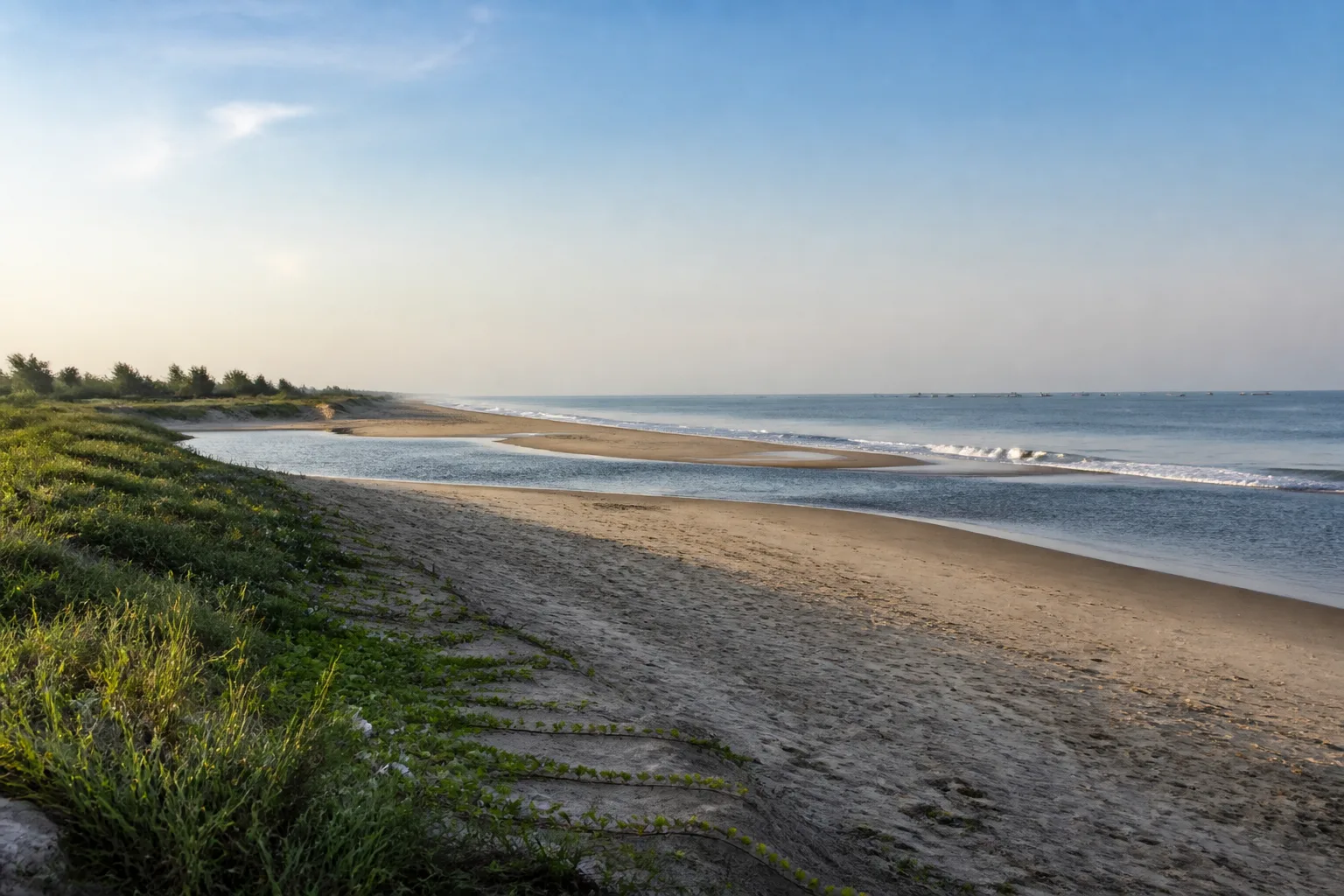
Imagine two friends travelling to a coastal base for their first introduction. They choose accommodation independently of the lesson, with booking terms that suit their plans. Before arrival, they confirm the provider’s meeting point, group size, included equipment and weather-related cancellation terms. They tell the school that neither has taken a surf lesson before.
Their first afternoon is for arrival, a meal and a short permitted walk. The following day has one main commitment: the session, if the instructor confirms it can run. They leave time afterwards to change, eat and rest before the return journey. They do not add a tightly timed monument tour immediately after the lesson.
If the session cannot go ahead, they still have a coastal break worth taking. One friend may prefer reading and a meal; the other may choose an authorised sightseeing stop. The plan succeeds because the lesson is an opportunity, not a promise on which every other booking depends. The timing here is illustrative and should follow the provider’s actual advice.
Example: one learner and a family who prefer dry land
A family trip can work even when only one person wants instruction. Begin by asking whether companions may wait at the site and whether that waiting area is suitable for children or older adults. Do not assume a surf school has a shaded lounge, accessible toilets or a supervised play area. Arrange a separate comfortable activity if the answer is uncertain.
The learner and companions should agree on a meeting point and a flexible collection time. A parent responsible for a child cannot simultaneously assume that another learner or beach staff will watch them. Keep the family’s responsibilities clear before the session begins, especially when everyone is distracted by equipment, photographs and changing plans.
Afterwards, choose a shared meal rather than another demanding activity. Give the learner time to describe what they learned without making the day a competition. For the non-participants, the coast should be enjoyable on its own terms. A good family itinerary accommodates different interests instead of expecting everyone to book the same experience.
Make room for Mamallapuram’s other stories
For visitors who choose Mamallapuram as their base, the coast is also a setting for heritage. UNESCO describes the Group of Monuments at Mahabalipuram as a Pallava-era ensemble including rock-cut sanctuaries, monolithic monuments, reliefs and structural temples. That gives a land-based visit a distinct purpose, rather than making monuments a hurried backdrop to a sports itinerary.
Keep heritage time separate from the lesson. Change into appropriate clothing, check the applicable entrance arrangements and bring the attention that a monument visit deserves. You do not need to see every named attraction in one afternoon. One carefully chosen stop may be more rewarding after a physically active morning than a long checklist.
Respect the different rules of each space. A commercial sports booking does not provide access to a protected monument, and a monument ticket does not authorise an activity on the adjoining coast. Ask locally about the actual boundaries. The two experiences can complement each other without being sold or understood as a single entitlement.
Sources for this section: Group of Monuments at Mahabalipuram.
Equipment, belongings and photographs
Ask the provider what you should bring and what it supplies. Discuss clothing, changing arrangements, drinking water and storage before travelling. Leave unnecessary valuables at your accommodation where you can secure them appropriately. A bag placed on the sand is not a storage system, and a friend watching the lesson may not be watching the bag.
If photographs are included, clarify how they are taken and delivered. Do not let a camera objective override the instructor’s directions. Ask before photographing other learners, and be especially careful with images of children. A provider’s promotional release should not be assumed to cover your own social-media use of someone else’s image.
Check hired equipment with the instructor before the session and report concerns immediately. Let the instructor explain what is suitable and how it should be handled. This is a reason to book teaching rather than treat rental equipment as sufficient preparation. The most useful thing to take home may be a clear understanding of your next learning step.
Support a coastal community rather than a photo backdrop
The same shoreline may serve residents, fishers, businesses, visitors and sports participants. Follow the provider’s directions about access and keep equipment out of working routes. Do not move fishing gear, climb on boats or block a lane while arranging a group photograph. A successful lesson depends partly on respectful use of shared space.
Spend with clear expectations. Agree on prices, pay for the services received and give feedback that describes your actual experience. If the instructor cancelled because conditions were unsuitable, do not treat that decision alone as evidence of poor service. Review how clearly the terms were explained and whether the provider followed them.
When you write about the trip, distinguish a personal introduction from a recommendation for every traveller. Mention the date and your starting experience. Avoid declaring a location safe for beginners based on one session. Your instructor selected a particular activity under particular circumstances; another visitor will need their own assessment.
Turn a first session into a useful next step
After the session, ask the instructor what to practise next under supervision and whether another introductory lesson would be appropriate. Keep a simple note of what you enjoyed, what felt difficult and what information helped you feel prepared. That makes a future booking more informed than simply searching for a more dramatic wave.
If you decide the sport is not for you, the visit has still answered a useful question. You can enjoy Tamil Nadu’s sporting culture as a spectator when a future event is officially confirmed. Check the organiser’s latest notice rather than assuming the 2026 calendar repeats in 2027.
For a return trip, compare the total experience: teaching, communication, suitability and respect for conditions. The cheapest headline price or most spectacular promotional clip rarely explains those qualities. Choose the arrangement that makes learning clear and manageable, and let the coast remain a place to understand rather than a result to conquer.
Sources & Further Reading
These authoritative references support the historical, geographic, or seasonal context in this story. Current conditions and operating details still require a fresh official check.
- Official Surfing Federation of India events calendar · Surfing Federation of India
- Tamil Nadu Surfing Association: official introduction · Tamil Nadu Surfing Association
- Group of Monuments at Mahabalipuram · UNESCO World Heritage Centre
Related Stories

Mamallapuram: Read a Coastal World Heritage Landscape
A connected reading of Mamallapuram that moves from granite outcrops and carved caves to monolithic experiments, open-air reliefs, the Shore Temple and a living coastal town.

Fake Tamil Nadu Tourism Booking Sites: How to Verify Before You Pay
TTDC is warning travelers about fraudulent websites misusing its identity. Learn how to verify hotels, tours and boat-house bookings before paying.
Frequently asked questions
Are the August 2026 competitions still upcoming?
No. Their listed dates are past as of 15 November 2026. They provide context for interest in the sport, not an event booking recommendation.
Can a complete beginner book a surf lesson?
Ask the provider to assess your experience, swimming ability and confidence before accepting a booking. Suitability is individual and depends on the session and conditions.
Is stand-up paddle the same activity as surfing?
They are separate activities. Ask exactly which discipline and environment the booking covers rather than treating the names as interchangeable.
What happens if conditions are unsuitable?
Follow the provider’s decision and the agreed cancellation or rescheduling terms. Confirm those terms before paying.
Should I combine a lesson and a full sightseeing day?
Keep the day flexible. A meal and one optional land-based stop usually leave more room for instruction, changing and rest than a packed schedule.
Editorial attribution
Prepared and reviewed by My Tamil Nadu Editorial Desk. Modified 15 November 2026.