The trend: travellers want more than a checklist
Tamil Nadu has long been associated with temples, pilgrimage, classical culture and major heritage cities. Those strengths still matter, but the current travel conversation is wider. Industry reporting in 2026 points to growing interest in nature-based stays, local cuisine, wellness, plantation landscapes, eco-tourism, heritage walks and short trips that feel personal rather than packaged. This does not replace the great temple towns or UNESCO-recognised sites. It changes how a first trip can be shaped.
The useful lesson is simple: build the trip around experiences, then choose places that support them. A temple town can also be a food base, a hill station can be a slow nature stay, and a city can be a walking, museum, market and food experience.
This article keeps the trend separate from fixed promises. Search demand, weather, roads, crowds and opening rules can shift. Use the trend to choose better trip themes, then confirm current details from official and local sources before booking.
Sources for this section: 2026 demand trend, Tamil Nadu tourism policy note.
Plan the experience before the destination
A destination-first itinerary usually begins with a long list: Chennai, Mamallapuram, Pondicherry, Thanjavur, Madurai, Rameswaram, Kanyakumari, Ooty and Kodaikanal. That list is exciting, but it can become exhausting when every day is a transfer and every stop is treated as a photo proof. An experience-first itinerary begins with a different question: what kind of Tamil Nadu do you want to understand?
If the answer is heritage, pick fewer places and spend more time reading architecture, inscriptions, museums, streets and living worship. If the answer is food, follow regions rather than restaurants: Chennai tiffin and filter coffee, Madurai street food, Chettinad meals, Kongunadu staples or delta produce. If the answer is nature, choose one landscape and respect its limits: Nilgiri hills, Anamalai, wetlands, mangroves, coast or waterfall country. If the answer is wellness, avoid turning the trip into medical advice; focus on rest, slower stays, safe walks, good sleep, local food and verified facilities.
This approach makes the route easier to adjust. A first-time visitor who wants temples, food and hill air can plan Chennai, Thanjavur, Madurai and the Nilgiris. A traveller who wants culture, coast and heritage can plan Chennai, Mamallapuram, Thanjavur and Rameswaram.
Nature stays and hill experiences are rising, but need patience
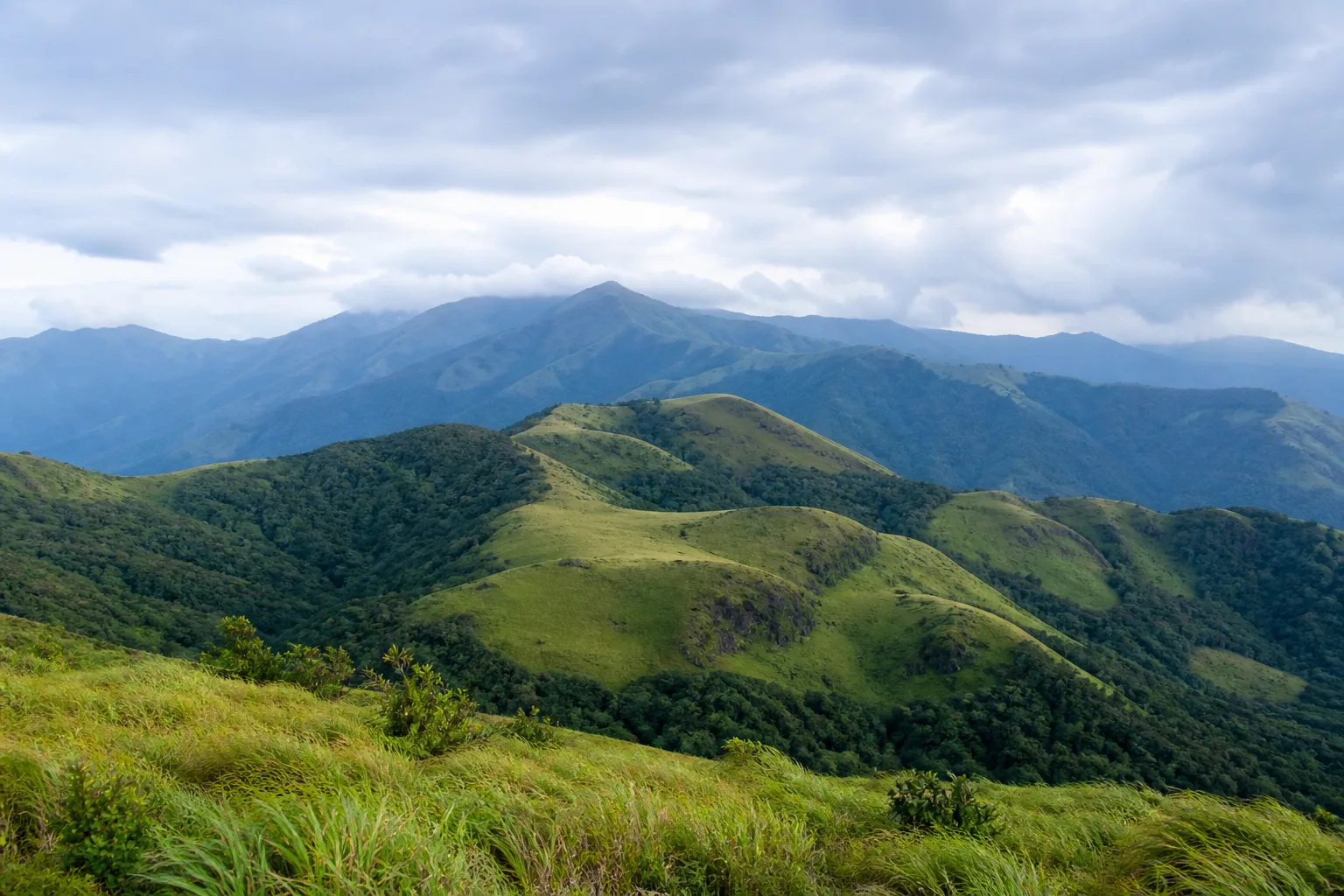
Nature-led Tamil Nadu travel is not only Ooty and Kodaikanal, though both remain important. The broader trend includes tea and coffee landscapes, the Nilgiris, the Anamalai hills, wetlands, mangroves, coastal ecosystems, waterfall districts and responsible stays close to quieter landscapes. The Tamil Nadu policy note and national tourism strategies both point toward eco-tourism, rural experiences, adventure tourism and sustainable tourism as priority areas.
The planning mistake is to treat nature as a guaranteed visual product. Hills may be cloudy, waterfalls may be unsafe or closed, wildlife may not appear, and sanctuary access may be restricted. A responsible nature itinerary values the place even when the photograph is imperfect.
For a first trip, the Nilgiris can work well for hill air, rail heritage and tea landscapes. Anamalai and Valparai demand more road and weather awareness. During September and other transition months, check the India Meteorological Department, local district guidance and operator updates before long road moves.
Sources for this section: National tourism strategies, RMC Chennai.
Food trails work best when they follow regions, not viral shops
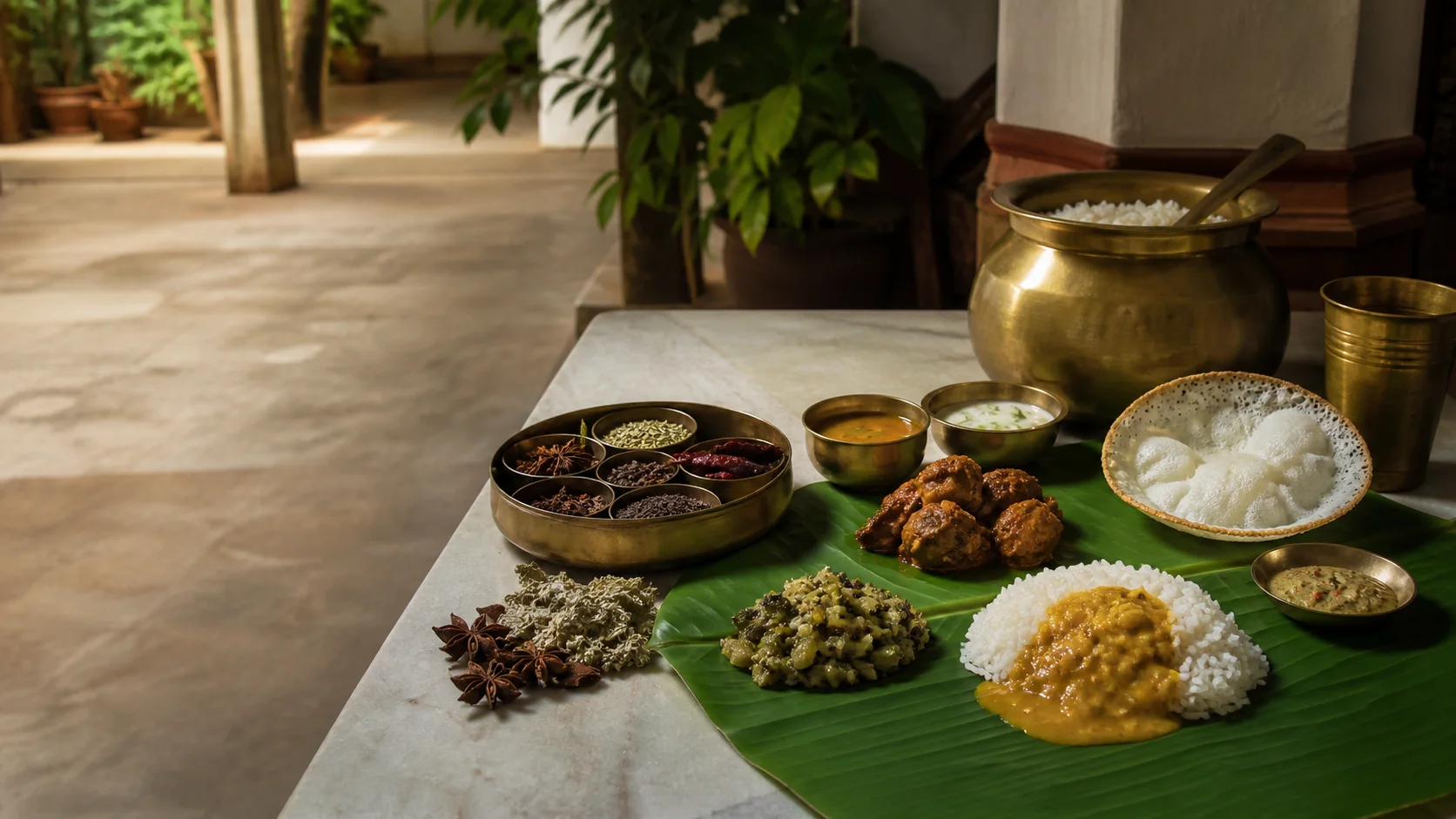
Food is one of the strongest ways to turn Tamil Nadu travel into memory. The trend toward local experience makes food trails especially useful, but only when they are planned with care. A food trip should not depend on one viral shop, one queue or one dish that a short video declared essential. It should follow regional patterns and leave space for household cooking, market rhythms, temple-town meals, coffee culture, snacks, sweets and ordinary breakfasts.
A Chennai start can introduce tiffin culture, filter coffee and urban dining variety. Madurai can add meals, night food and temple-city energy. Chettinad can show how architecture, migration, hospitality and spice use became linked in popular imagination. Kongunadu, Kumbakonam and Tirunelveli each add different food stories.
Avoid overclaiming authenticity. Tamil Nadu cuisine changes by community, region, season, migration and household. Use restaurants and shops as entry points, then ask what the food says about land, labour, memory and movement.
Sources for this section: Incredible India Tamil Nadu.
Heritage walks and living culture need slower routes
Tamil Nadu's heritage is not limited to a few famous monuments. It includes Mamallapuram's Pallava landscape, the Great Living Chola Temples, Madurai's temple-city fabric, Chettinad mansions, Chennai's civic and maritime layers, Tiruchirappalli's rock and river setting, craft traditions, festivals and classical as well as folk performance. A recent-trend itinerary should not flatten these into interchangeable sightseeing stops.
Heritage walks are valuable because they slow the eye. Instead of asking only what year a monument was built, a walk can ask who used the space, why water mattered, how craft and trade moved, and what still belongs to local residents.
Choose one heritage lens per day. In Mamallapuram, separate Pallava monument history from the modern beach-town economy. In Thanjavur, connect Brihadisvara Temple with Chola power and delta geography. In Madurai, spend time on the relationship between temple, market and food.
Sources for this section: Great Living Chola Temples, Mamallapuram World Heritage.
Wellness travel should be restful, verified and modest in its claims
Wellness is a growing part of tourism language, and Tamil Nadu has real strengths for restorative travel: coastal air, hill climates, long walks, traditional knowledge systems, quiet stays, simple food, yoga spaces and nature-linked retreats. The state tourism policy identifies medical and wellness tourism as a priority theme. That does not mean every spa, retreat or herbal claim should be accepted uncritically.
Plan wellness as a travel style first: fewer transfers, better sleep, safer walking hours, healthy food, hydration, shade and enough unscheduled time. For treatment, therapy, Ayurveda, Siddha, spa procedures or medical support, verify qualifications and suitability with appropriate professionals.
Good wellness planning often means choosing less. One hill base plus one heritage city may be better than five destinations, and a verified retreat with transparent services is better than a dramatic promise.
Sources for this section: Tamil Nadu tourism policy note, National tourism strategies.
Weekend trips need weather-aware flexibility
Another 2026 pattern is the search for shorter, safer and more flexible getaways from Chennai, Coimbatore and Madurai. This makes sense: not everyone can take a long circuit, and many travellers want a two-night trip that feels fresh without becoming risky or tiring. But a weekend trip is more fragile than a long itinerary because one storm, heat wave, road delay or closure can consume a large part of the plan.
Keep weekend routes compact. From Chennai, pair city heritage with Mamallapuram or Kanchipuram rather than attempting a far southern run. From Coimbatore, choose a realistic hill, food or temple loop after checking road and weather conditions. From Madurai, think in terms of one focus: temple city, Chettinad, Rameswaram with buffer, or a nearby landscape depending on the season. Avoid late-night hill driving, waterfall chasing after heavy rain and sea activities during rough conditions.
The best weekend plan has a Plan B that still feels like Tamil Nadu. If rain blocks a viewpoint, switch to food, museum, market or architecture. If heat makes an open site uncomfortable, move the exposed portion to early morning and rest midday.
Sources for this section: RMC Chennai.
Three experience-led itinerary examples
Example one: Chennai, Mamallapuram, Thanjavur and Madurai. This works for a culture-and-heritage traveller who wants UNESCO context, temple towns, food and city life without trying to include every famous place. Keep at least two nights in Madurai or Thanjavur if you want the trip to feel studied rather than rushed.
Example two: Chennai, the Nilgiris and Coimbatore. This works for a nature-and-food traveller who wants hill air, tea context, western-region cuisine and a softer pace. Keep a town-based backup and avoid building the trip around one viewpoint.
Example three: Madurai, Chettinad and Rameswaram. This works for temple urbanism, regional food, mansion architecture, island pilgrimage and coast. It needs heat awareness, route buffers and current checks for Rameswaram and Dhanushkodi.
- For first-time visitors: choose three to five places, not ten.
- For families: keep every long transfer followed by a lighter day.
- For food travellers: follow regions, not only viral shops.
- For nature travellers: treat sightings, waterfalls and viewpoints as conditional.
- For wellness travellers: verify facilities and avoid medical claims unless professionally supported.
What to verify before booking
A trend-led trip still needs practical checks. Confirm weather warnings through the India Meteorological Department and local updates, especially for hills, waterfalls, coast and September transition travel. Confirm temple entry rules, festival crowd arrangements, photography restrictions and timings from official or local authority sources. Confirm hotel location carefully; a beautiful stay can become tiring if every meal or site visit requires a long road transfer.
For adventure, nature, wildlife, boat, wellness or guided-walk experiences, look for clear safety practices, permissions, cancellation rules and realistic language. Be cautious with listings that promise guaranteed wildlife, secret waterfalls, unrestricted drone use or medical outcomes.
Finally, leave space. The current Tamil Nadu travel trend is not a demand to do everything. It is an invitation to plan one landscape, one food thread, one heritage layer, one slower base and one flexible backup.
Sources for this section: RMC Chennai, National tourism strategies.
Sources & Further Reading
These authoritative references support the historical, geographic, or seasonal context in this story. Current conditions and operating details still require a fresh official check.
- Tamil Nadu: Broadening tourism appeal · TTG India
- Policy Note 2025-2026: Tourism · Government of Tamil Nadu Tourism, Culture and Religious Endowments Department
- Guidelines and Strategies · Ministry of Tourism, Government of India
- Tamil Nadu · Ministry of Tourism, Government of India
- Regional Meteorological Centre Chennai · India Meteorological Department
- Great Living Chola Temples · UNESCO World Heritage Centre
- Group of Monuments at Mahabalipuram · UNESCO World Heritage Centre
Frequently asked questions
What is the biggest Tamil Nadu travel trend in 2026?
The useful trend is experience-led travel: visitors are combining temples and heritage with nature stays, food trails, wellness, plantation landscapes, eco-tourism and flexible short trips.
Is Tamil Nadu still mainly a temple destination?
Temples remain central, but they now sit inside broader trips that also include food, nature, heritage walks, coast, wellness and local culture.
What is the best experience-led first trip?
A balanced first trip could combine Chennai or Mamallapuram, Thanjavur, Madurai and one nature or food-focused extension, depending on season and travel pace.
Are wellness retreats in Tamil Nadu safe to book?
Some may be suitable, but verify qualifications, services, reviews, regulation and medical suitability. Do not rely on travel marketing for health decisions.
How do I keep a trend-based itinerary from becoming rushed?
Choose one main theme and two supporting themes, then limit the route to three to five places with weather and rest buffers.
Editorial attribution
Prepared and reviewed by My Tamil Nadu Editorial Desk. Modified 12 September 2026.