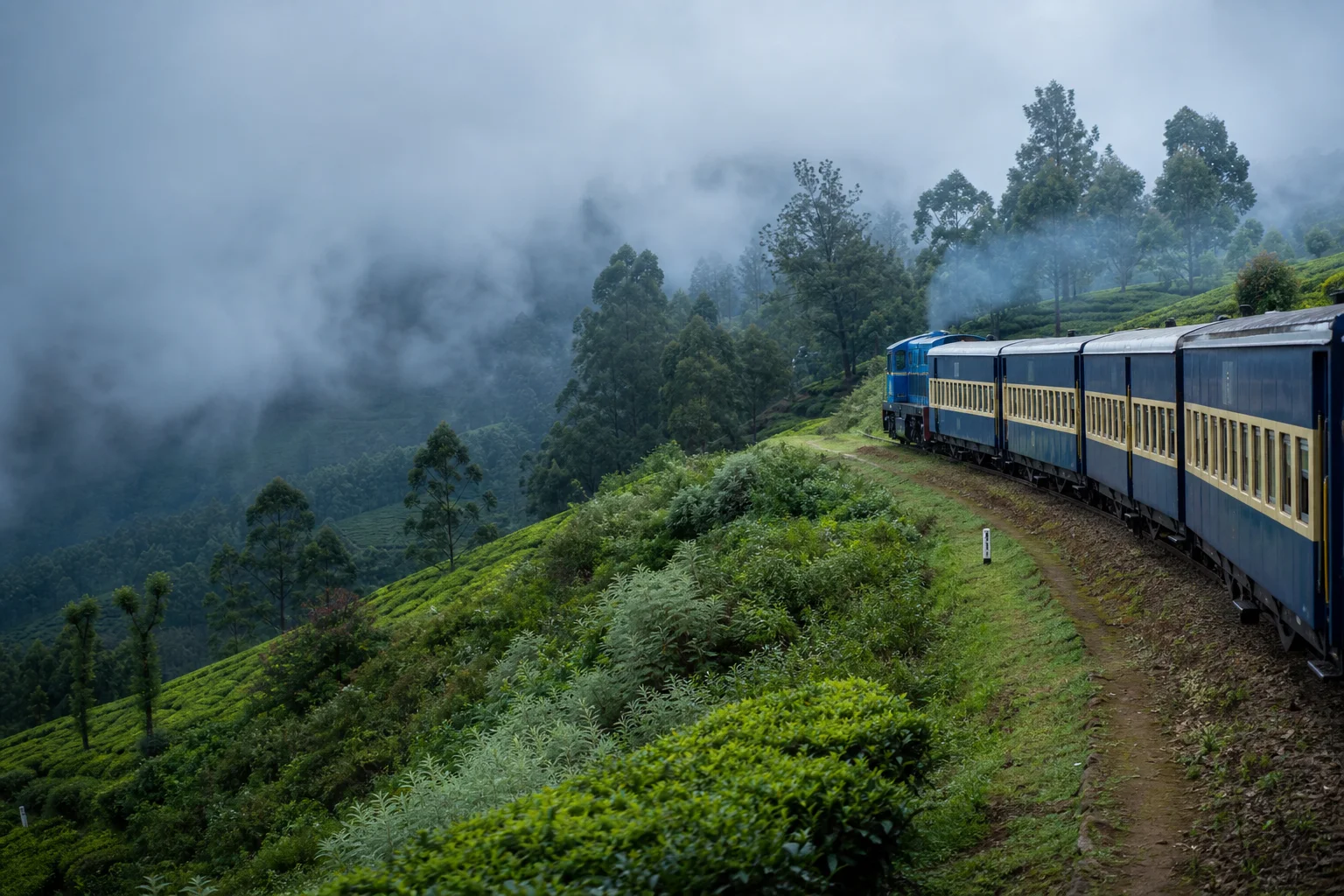
The trend: festival travel is becoming a planning problem
Tamil Nadu festivals have always moved people. Families return to native towns, students travel from Chennai, temple events pull pilgrims across districts, and short holidays turn into last-minute weekend trips. What feels newer in 2026 is how visible the movement has become: special trains, large bus deployments, fast-selling tickets, new terminus patterns around Chennai, and travellers trying to combine family visits with temple darshan, food stops or a quick hill or coast break.
Recent reports around Vinayagar Chaturthi and major temple events show this clearly. Southern Railway announced one-way and unreserved special services on busy corridors, while Tamil Nadu transport arrangements included thousands of special buses for return movement toward Chennai after the festival and long weekend. These details are useful not because every train or bus remains available, but because they reveal the shape of the travel problem.
The lesson is simple: during festivals, plan the movement before the sightseeing. The destination may be Madurai, Rameswaram, Kumbakonam, Tiruchirappalli, Tirunelveli, Coimbatore or a smaller town, but the success of the trip often depends on booking windows, return buffers, boarding points, luggage choices, backup routes and whether the family can tolerate an unreserved or late-night journey.
Sources for this section: Festival special train report, Special bus arrangements.
Why festival journeys need a different method
A normal Tamil Nadu itinerary can be adjusted quietly. If a museum is closed, you move lunch earlier. If a viewpoint is cloudy, you choose a market or temple street. Festival travel is less forgiving. Trains fill quickly, bus boarding points are crowded, road exits from cities slow down, and the return trip can be harder than the outward journey because thousands of people converge on Chennai, Coimbatore, Madurai or other work and study centres at the same time.
Festival trips also carry emotional weight. A traveller may not be going only for leisure; they may be visiting parents, attending a family ritual, joining a temple event, carrying gifts, travelling with children or bringing elders back to the city. That changes the practical standard. The fastest route is not always the best route. The cheapest ticket is not always the easiest. A journey with a confirmed seat and a manageable arrival time may be worth more than squeezing in one extra destination.
The right method is to divide the trip into four decisions: outward movement, stay location, local movement and return movement. Decide each one separately. A good outward train does not solve the return. A hotel near a temple may not help if the bus terminus is far away. A late-night arrival may be fine for adults but difficult for elders. Thinking in segments makes the trip calmer.
How to use special trains without depending on them
Special trains are useful during festival demand, but they should not be treated as a guaranteed solution until the service, date, route, train number and class are confirmed through official railway channels. Some services are one-way. Some are unreserved. Some run only on a single date. Some are announced to clear extra rush after the festival rather than before it. A headline that says a special train exists is only the beginning of the check.
When a special train is unreserved, plan differently. Reach the station earlier, reduce luggage, avoid complicated onward transfers, keep water and food practical, and do not assume the journey will feel like a reserved express train. If travelling with elders, infants or people with health needs, a confirmed reserved train or a scheduled bus may be more suitable even if it is less exciting on paper.
For reserved trains, watch both directions. Chennai-to-south tickets may sell out at one moment, while south-to-Chennai return tickets may disappear even faster after the festival. If the festival date is fixed, book the return as soon as the plan is credible. If the ticket waitlist remains uncertain, prepare a bus or split-route backup rather than discovering the problem on the last evening.
Sources for this section: Southern Railway, Festival special train report.
Buses are the backbone of many festival returns
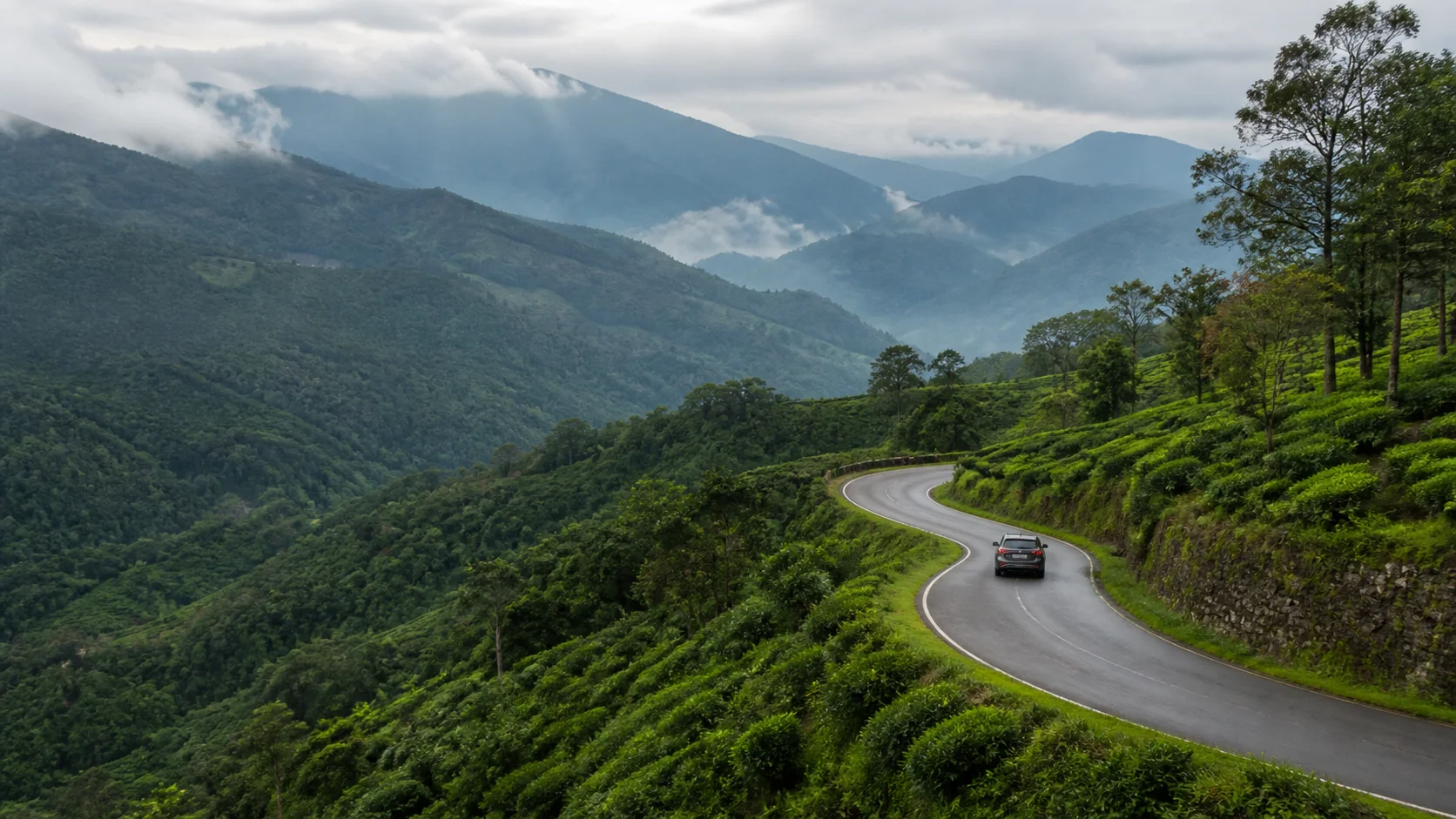
For many Tamil Nadu travellers, buses are not the backup; they are the main system. TNSTC and SETC services connect towns that may not have a convenient direct train, and festival deployments can add large volumes of extra buses. Recent post-festival arrangements toward Chennai included special services to Kilambakkam Bus Terminus, Madhavaram and Koyambedu-side corridors, showing how important bus operations are for returning workers, students and families.
Bus planning starts with the correct terminus. In the Chennai region, Kilambakkam, Madhavaram, Koyambedu and other boarding or arrival points are not interchangeable. A bus that reaches the city late at night may still require a long local transfer. Before booking, check where the service starts, where it ends, whether your local transport from that point is realistic, and whether the family can manage luggage after arrival.
Online booking helps, but it does not remove the need for current checks. TNSTC's online reservation portal and official contact channels are useful starting points. Still, festival demand can change quickly, and special buses may be coordinated through public announcements. If you are travelling from a smaller town, ask about the actual boarding point, expected crowding, and whether a nearby larger town gives better options.
Sources for this section: TNSTC booking, Special bus arrangements.
Chennai return planning deserves its own checklist
The Chennai return is often the hardest part of a Tamil Nadu festival trip. Many people leave the city across two or three days, but return in a tighter window before work, school or college resumes. That creates crowding on trains, pressure at bus termini, higher taxi demand and long local transfers after an already tiring journey. Treat the return as a separate travel day, not as the leftover edge of the holiday.
If returning by train, confirm whether you are arriving at Chennai Central, Egmore, Tambaram or another station, because the onward local journey changes. If returning by bus, confirm whether the service reaches Kilambakkam, Madhavaram or another terminus. If the arrival is late, plan the last mile in advance. Families with children or elders should keep a simple food and restroom plan for the final leg.
A practical return checklist has six items: confirmed ticket or realistic unreserved plan, low luggage, charged phone, local transport option, next-day rest margin and a backup if the first service is cancelled or delayed. The more important the next morning is, the less risky your return should be.
Sources for this section: Special bus arrangements, TNSTC booking.
Examples for common festival trips
Example one: Chennai to Madurai for a temple event. Book the return first if work resumes immediately after the event. Stay close enough to the temple area to avoid repeated cross-city movement, but not so close that elderly travellers must handle heavy crowds all day. If special trains are announced, check whether they are one-way, reserved or unreserved before changing the plan.
Example two: Chennai to Manamadurai, Sivaganga or Ramanathapuram family visits. A direct or special train may help one direction, but the return may require a bus, a split route through Madurai, or a different boarding town. Keep gifts and luggage manageable because unreserved or crowded services are harder with large bags.
Example three: Coimbatore or Madurai short break during a festival weekend. Do not make the route too ambitious. A two-night trip should have one main experience: family visit, temple darshan, food trail, hill rest or coast. Combining all of them will make the return journey feel like punishment.
Example four: Rameswaram pilgrimage around a holiday. Island and bridge routes need more buffer than a city trip. Confirm current trains, buses, road conditions and temple participation details close to travel. If the family includes elders, avoid a plan that reaches late at night and expects an early ritual the next morning.
- Book the return before adding sightseeing.
- Prefer fewer bags when any leg may be unreserved or crowded.
- Check the exact Chennai terminus before booking local transport.
- Keep one meal and restroom buffer for elders and children.
- Do not depend on a special train until the date, direction and class are confirmed.
Temple events need route buffers, not only darshan plans
Temple festivals, kumbabhishekam events and major auspicious days can change a town's travel pattern. The temple may be the reason for the journey, but the transport system around it carries everyone: pilgrims, vendors, police, staff, local residents, relatives and casual visitors. Roads near the temple may be diverted, autos may be harder to find, and the usual walking route may not be available.
For temple-event travel, separate spiritual timing from transport timing. If a ritual is early, arrive the previous day. If the return is the same night, keep luggage at the stay rather than carrying it through crowded streets. Follow police, temple and district instructions over older blog posts or social-media shortcuts. Photography, queue systems and entry routes may change for the event.
A respectful plan also allows for not seeing everything. If the crowd is too heavy, the weather is harsh or an elder is tired, choose one meaningful participation point and leave safely. A festival trip should not become a test of endurance.
Pack for crowding, transfers and waiting
Festival packing should be lighter than normal holiday packing. Carry what helps you wait: water, simple snacks, medication, phone power, printed or offline ticket details, a small towel, a shawl or light layer, and clothes suitable for temple or family settings. Avoid loose bundles, heavy gifts without handles, oversized luggage and anything that makes stairs or crowded platforms harder.
For children, pack snacks and a change of clothes where you can reach them quickly. For elders, keep medication and identity documents in a separate pouch. For unreserved train or bus travel, one compact bag per person is easier than one large family suitcase. Label bags with a phone number, especially during crowded boarding.
If you are carrying offerings, sweets or food, consider heat, leakage and waiting time. Tamil Nadu festival travel can involve long station waits, bus-stand queues and local transfers in warm weather. Practical packing is not glamorous, but it often decides whether the trip stays pleasant.
What to verify before you leave
Check train status through official railway channels, not only a forwarded message. Confirm bus booking through TNSTC or the relevant operator. Recheck boarding point, reporting time, platform or bay information, cancellation rules and whether the service is reserved, unreserved or special. If a route is affected by engineering work, weather or crowd control, let the official update override your saved plan.
Also check the local side of the journey: hotel check-in time, temple event instructions, district traffic advisories, local transport after arrival and whether food will be available at the hour you reach. A late train into Tambaram, Madurai or Tiruchirappalli is not the end of the trip if your final town is still two hours away.
Finally, keep one humane rule: do not squeeze the last possible minute out of a festival journey. Tamil Nadu's public transport network is strong, but festival demand compresses time and space. A little margin is the cheapest comfort you can buy.
Sources for this section: Southern Railway, TNSTC booking, Festival special train report.
Sources & Further Reading
These authoritative references support the historical, geographic, or seasonal context in this story. Current conditions and operating details still require a fresh official check.
- Manamadurai-Tambaram special train to ease festive rush in Tamil Nadu · Financial Express
- Transport Department arranged 3,565 special buses to Chennai after Vinayagar Chathurthi and long weekend · TNTrack / Directorate of Information and Public Relations
- TNSTC Online Reservation · Tamil Nadu State Transport Corporation
- Southern Railway official website · Indian Railways
- Southern Railway Announces Special Trains to Tambaram for Vinayagar Chaturthi Rush · Live Chennai
Frequently asked questions
What is the best way to travel in Tamil Nadu during festivals?
Use the mode that gives the most reliable return, not only the fastest outward trip. Reserved trains, official bus bookings and compact routes are usually easier than last-minute multi-stop plans.
Are Tamil Nadu festival special trains always reserved?
No. Some special trains are unreserved, one-way or date-specific. Confirm the train number, date, route and class through official railway channels before depending on it.
Should I choose train or bus for Chennai return travel?
Choose based on confirmed availability, arrival terminus, luggage, family needs and last-mile transport. Buses may serve towns that trains do not, while trains may be easier for longer reserved journeys.
How early should I book festival travel?
Book as soon as the festival plan is credible, especially the return. If tickets are uncertain, prepare a bus, split-route or extra-night backup.
Can I combine a festival visit with sightseeing?
Yes, but keep sightseeing secondary. Choose one nearby experience and preserve enough buffer for crowds, rituals, transfers and rest.
Editorial attribution
Prepared and reviewed by My Tamil Nadu Editorial Desk. Modified 16 September 2026.