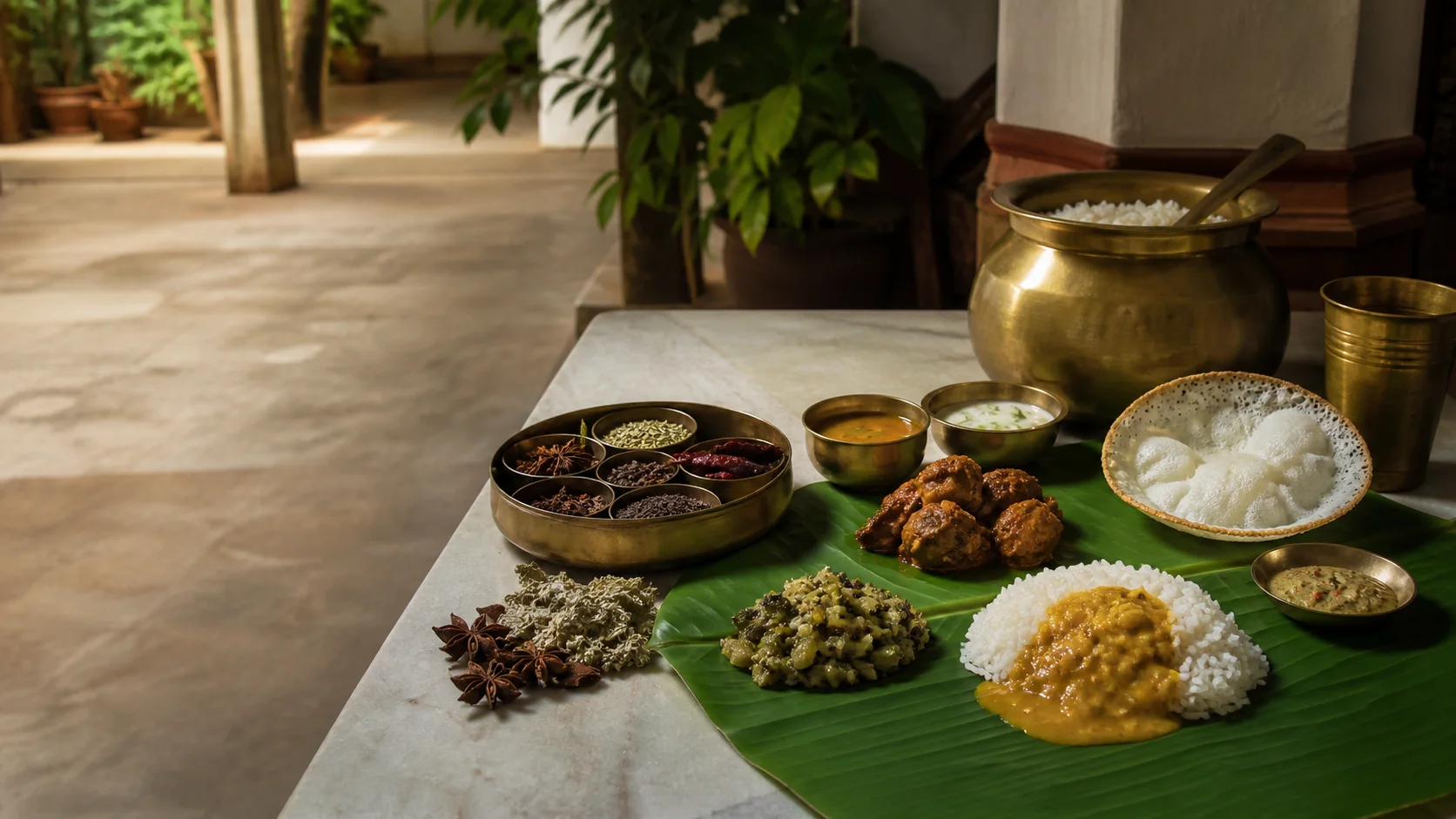
Why a food weekend makes sense in 2026
A memorable Tamil Nadu trip can begin with a meal rather than a monument. Breakfast provides a reason to explore a neighbourhood, lunch introduces a regional cooking tradition, and a coffee stop creates time to watch everyday life. For a short break, this approach has a practical advantage: you can enjoy a place deeply without spending most of the weekend travelling between distant attractions.
There is a current tourism connection too. Media India Group's September 16, 2026 report on Tamil Nadu's IFTM Top Resa participation describes the promotion of Chennai and Madurai food trails, Chettinad and Kongu Nadu cuisine, temple food traditions and coastal seafood. This is evidence of what the state is promoting, rather than a measurement of how many travellers have booked food holidays.
Booking.com's 2026 travel predictions also identify interest in locally meaningful kitchen purchases and pantry souvenirs. These international survey findings are useful context, but they do not establish a Tamil Nadu visitor trend on their own. Together, the sources suggest a timely editorial idea: plan a short trip around regional food, the people preparing it and the places where ingredients are sold.
The itineraries below are suggested plans, not bookable packages or restaurant reviews. They focus on choosing a base, spacing meals sensibly and asking better questions before paying. Use them alongside the site's regional food guide when you want to turn culinary curiosity into an actual weekend.
Sources for this section: September 2026 tourism coverage, 2026 travel predictions.
Choose one base and one main food experience
Start by deciding what you want to understand. A city breakfast trail, a hosted regional lunch and a coffee-centred temple-town break produce different weekends. Choose one as the anchor. Then select accommodation and transport around it. A highly rated hotel on the wrong side of a city can consume the time you hoped to spend walking, tasting and talking.
Chennai suits travellers who want a short urban route with flexible meal choices. Karaikudi can work as a base for exploring Chettinad food alongside heritage streets and houses where visitor access is permitted. Kumbakonam suits a slower combination of coffee, meals and temple-town exploration. These are planning options, not a ranking of which place has the best food.
Keep your starting point in mind. A destination that is an easy weekend from one city may involve an overnight journey from another. Compare door-to-door travel, check-in time and the journey home before booking a special meal. For two nights, one base usually leaves more room for discovery than moving hotels halfway through the trip.
Example one: a relaxed Chennai food weekend
Use Saturday morning for one neighbourhood rather than a citywide restaurant chase. In a compact area such as Mylapore, plan a breakfast stop, a short walk and an optional coffee break. Confirm the actual opening hours of your chosen places beforehand. Leave room to change direction if there is a long queue, heavy rain or a family member who needs a seat.
At breakfast, order a manageable selection and pay attention to accompaniments, textures and service. Ask what is available that morning instead of assuming every dish seen online will be served. A small group can share suitable dishes while still ordering enough to respect the business. Photograph your own plate without blocking the counter or including other diners without permission.
Keep lunch simple and leave the afternoon open for a museum, a rest or another neighbourhood visit. On Sunday, choose one different experience: a regional lunch, a guided market walk or a food stop near an attraction already on your route. The point is to connect meals with city life, not to finish an exhausting list of famous addresses.
Example two: two nights around Karaikudi and Chettinad
For this version, make a confirmed regional meal the centre of the trip. Contact the accommodation or dining host before arrival and ask whether meals require advance notice, whether non-residents can book, and what a vegetarian or mixed menu includes. A property advertising heritage accommodation does not automatically offer a cooking demonstration, kitchen access or a large traditional lunch.
Arrive on the first evening, settle in and eat lightly. Use the next morning for a short local outing, then allow a generous lunch window. Ask the host about the dishes they have actually prepared: which ingredients shape the flavour, what is seasonal, and how the menu changes between everyday meals and celebrations. Avoid treating one kitchen as representative of every household in the region.
Keep the afternoon flexible. A permitted heritage visit or a small shopping stop can complement the meal, but several long drives will undo the benefit of staying locally. On the final morning, have breakfast and leave with enough transfer time. This structure suits travellers who value conversation and a slower pace more than the number of places checked off.
Example three: coffee and a slower Kumbakonam stay
A coffee-themed weekend works best when coffee is a thread through the day rather than the only activity. Choose a base that makes your main walking area accessible, then combine breakfast and a coffee stop with a modest temple-town route. Check visitor access and religious schedules separately; a food itinerary should fit respectfully around the life of the town.
Ask a seller about the blend, preparation and how they recommend brewing it at home. Preferences vary, and a label alone does not tell you how a particular cup will taste. If buying coffee, choose an amount you will use while fresh and ask whether it is ground for your equipment. A small purchase with clear instructions may be more useful than several unfamiliar packets.
For the second day, plan a proper lunch and one nearby cultural stop, leaving time to return for bags and transport. Do not turn a restful weekend into a circuit of every surrounding temple. Travellers who want a longer heritage route can add days; those with only a weekend should protect the pauses that made this style of travel appealing.

Make markets and food souvenirs part of the route
A market visit becomes more rewarding when you arrive with a question. Ask which ingredient is commonly bought for a dish you enjoyed, how much a household would use, or how something should be stored. Sellers are working, so choose a quiet moment and accept that not everyone has time for a detailed explanation. A paid local guide can help when language or market layout makes independent exploration difficult.
Buy modestly. Before purchasing spice mixes, coffee, sweets or packaged snacks, check the ingredients, packing date where available, storage instructions and whether the item can survive your return journey. Ask about shelf life rather than assuming a sweet will last because it is sold as a souvenir. For flights across borders, check the destination's food import rules before buying.
Kitchenware also deserves practical thought. Consider weight, maintenance and whether you will actually use it. A photograph of a beautiful serving vessel is free; carrying an unsuitable one home can be expensive. Keep receipts, protect fragile purchases and leave enough luggage space to avoid turning the last journey into a struggle.
Ask specific questions about meals and dietary needs
Tamil Nadu's food traditions are diverse. The Ministry of Tourism's food guide describes regional and community cuisines, including Chettinad, Kongunadu, Nanjil Nadu and Tamil Muslim cooking. That range is a reason to ask about the particular kitchen and menu rather than expect one standard Tamil meal everywhere. A restaurant's regional label cannot answer every ingredient question.
Tell the host exactly what you do not eat. Vegetarian, vegan, egg-free and no onion or garlic are different requests. Ask separately about milk, curd, ghee, egg, meat stock or ingredients relevant to your needs. When an allergy is involved, explain it clearly and ask about shared preparation; a broad menu label is not confirmation that a meal is suitable.
For a mixed group, agree on the main meal before paying a deposit. Check whether children can have simpler portions, whether seating is comfortable for elders and whether everyone can arrive at the stated serving time. A little discussion before booking prevents one person's special food experience from becoming another person's difficult afternoon.
Sources for this section: Official regional food guide.
Build a budget around the whole weekend
Separate your budget into travel, accommodation, ordinary meals, one special experience and small purchases. Compare total cost rather than the headline meal price. A lunch that requires a long private transfer can cost much more than an equally appealing option near your accommodation. Parking, guide fees and travel after dark can also change the final amount.
For a simple planning example, imagine setting aside Rs 6,000 per adult after reaching your destination, with shared accommodation. You might allocate Rs 2,500 to two nights, Rs 1,500 to food, Rs 1,000 to local travel and Rs 1,000 to an experience or contingency. These are illustrative allowances, not current market prices or a promise that a particular destination fits this budget.
Replace each allowance with actual quotes before booking. Ask whether taxes, drinks, transfers and guide services are included, and read cancellation terms for anything prepaid. Keep a little uncommitted money for weather changes or a missed connection. Spending less on unnecessary movement often creates more room for the meal or guided visit you genuinely care about.
Before you book the food weekend
Confirm the meal date, arrival window, menu arrangement, dietary requests and payment terms directly with the provider. Recheck transport and the journey home. Keep a nearby alternative for each important meal so that a closure or sold-out dish does not derail the day. Save booking details offline and carry the provider's contact number.
Check the forecast close to departure and adjust walking plans to local conditions. For outdoor market visits, a shorter route with somewhere to sit can be more enjoyable than a long trail in uncomfortable weather. Choose accommodation that gives you a useful rest break between meals rather than forcing you to remain out all day.
Finally, leave some appetite and some time unplanned. The best discovery may be a breakfast suggestion from your host or a conversation about an unfamiliar ingredient. A successful Tamil Nadu food weekend gives you a clearer sense of one place, a few flavours you remember and a reason to return.
Sources & Further Reading
These authoritative references support the historical, geographic, or seasonal context in this story. Current conditions and operating details still require a fresh official check.
- Tamil Nadu showcases heritage, culinary and experiential tourism at IFTM Top Resa 2026 · Media India Group
- The Era of YOU: Booking.com Predicts the Top Trends Defining Travel in 2026 · Booking.com
- A Foodie's Guide to Trying Local · Ministry of Tourism, Government of India
Frequently asked questions
Where should I go for a Tamil Nadu food weekend?
Consider Chennai for an urban food walk, Karaikudi for a Chettinad meal and heritage stay, or Kumbakonam for coffee and a slower town visit. Choose according to your starting point, available time and the experience you can confirm.
Are two days enough for a food trip?
Two days can work well for one base and one main experience. Allow additional time if reaching the destination involves a long journey. Trying to cover several distant food regions will leave less time for meals and local exploration.
Can vegetarians plan a Chettinad food trip?
Yes, but confirm the specific vegetarian menu with the host before booking. Do not assume every advertised meal includes the dishes or dietary arrangements you need. Vegan requirements should be discussed separately.
Do I need to book a food tour?
A guide is optional for ordinary dining, but can add context to a market visit or neighbourhood walk. Ask about group size, walking distance, included tastings, languages, dietary arrangements and cancellation terms before paying.
What food souvenirs should I bring home?
Choose items you will use, such as a suitable coffee blend or a clearly labelled spice mix. Ask about ingredients, storage and shelf life, and check transport or import restrictions when relevant to your journey.
Editorial attribution
Prepared and reviewed by My Tamil Nadu Editorial Desk. Modified 19 September 2026.