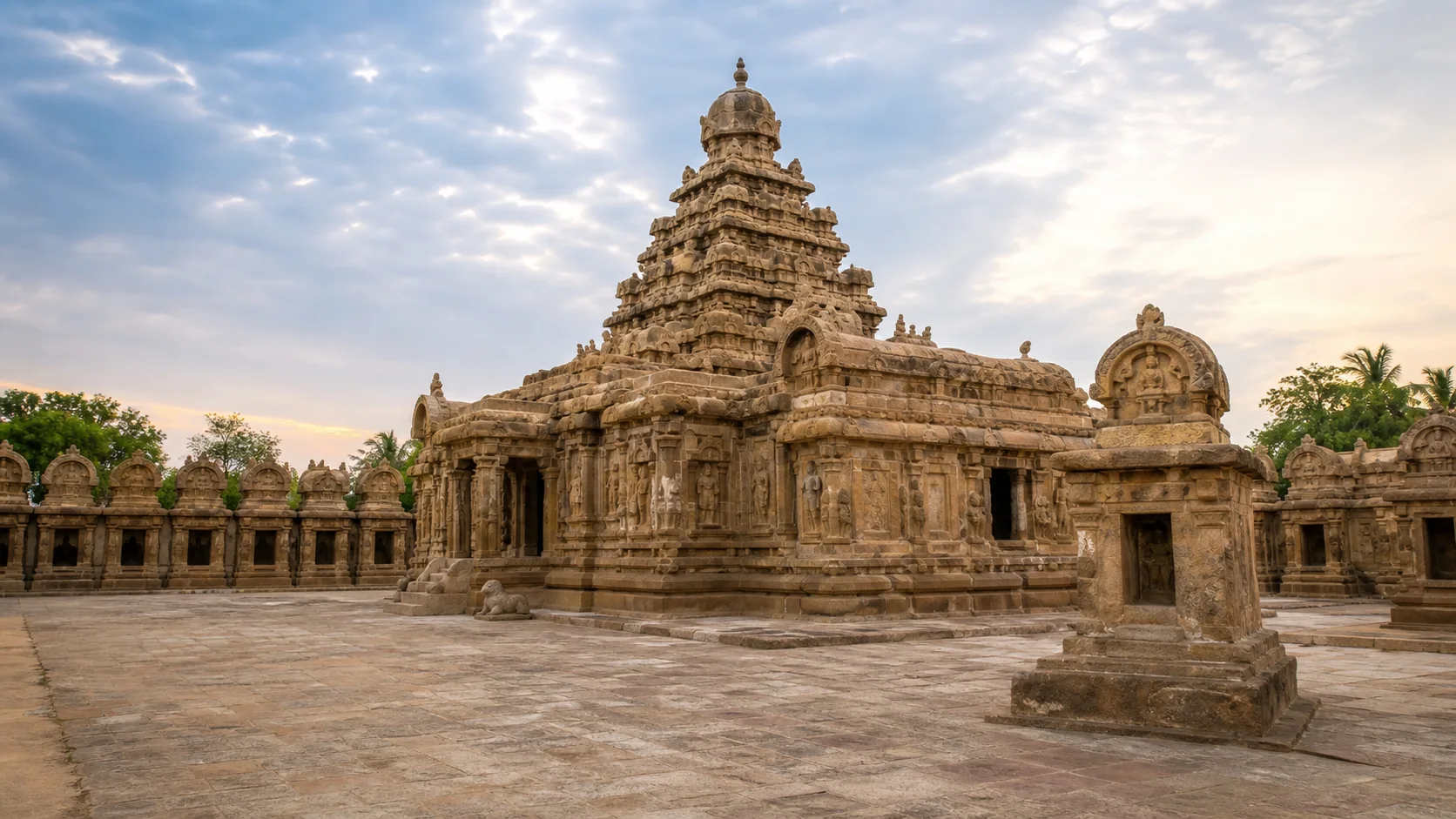
Pallava capital, temple city and textile landscape
Kanchipuram District: Temples, History and Cultural Heritage
Modern Kancheepuram district is an inland administrative district centred on Kanchipuram city, Pallava history, major living temples, handloom knowledge and fast-changing industrial corridors. It is not identical to the older, larger Kancheepuram district or to every place historically described as part of the Kanchi region.On this page
District overview
Understanding Kancheepuram district
The official district portal uses the spelling Kancheepuram, while Kanchipuram is widely used for the city and in general English. This guide keeps the requested URL `/kanchipuram/` but uses the official district spelling in administrative labels.[kanchiHome]
The 2019 creation of Chengalpattu district removed the coast and Mamallapuram from modern Kancheepuram district. Older district descriptions that still mention a coastline are treated as historical administrative context, not current geography.[kanchiHome][kanchiAdmin][chengalpattuAbout]
Why it matters
Why explore Kancheepuram?
Kanchipuram city was a major Pallava political and religious centre, and its surviving temples provide evidence for the development of structural architecture.[kanchiHistory][kanchiPlaces]
Living Shaiva, Vaishnava and goddess-centred institutions make the city more than an archaeological landscape.
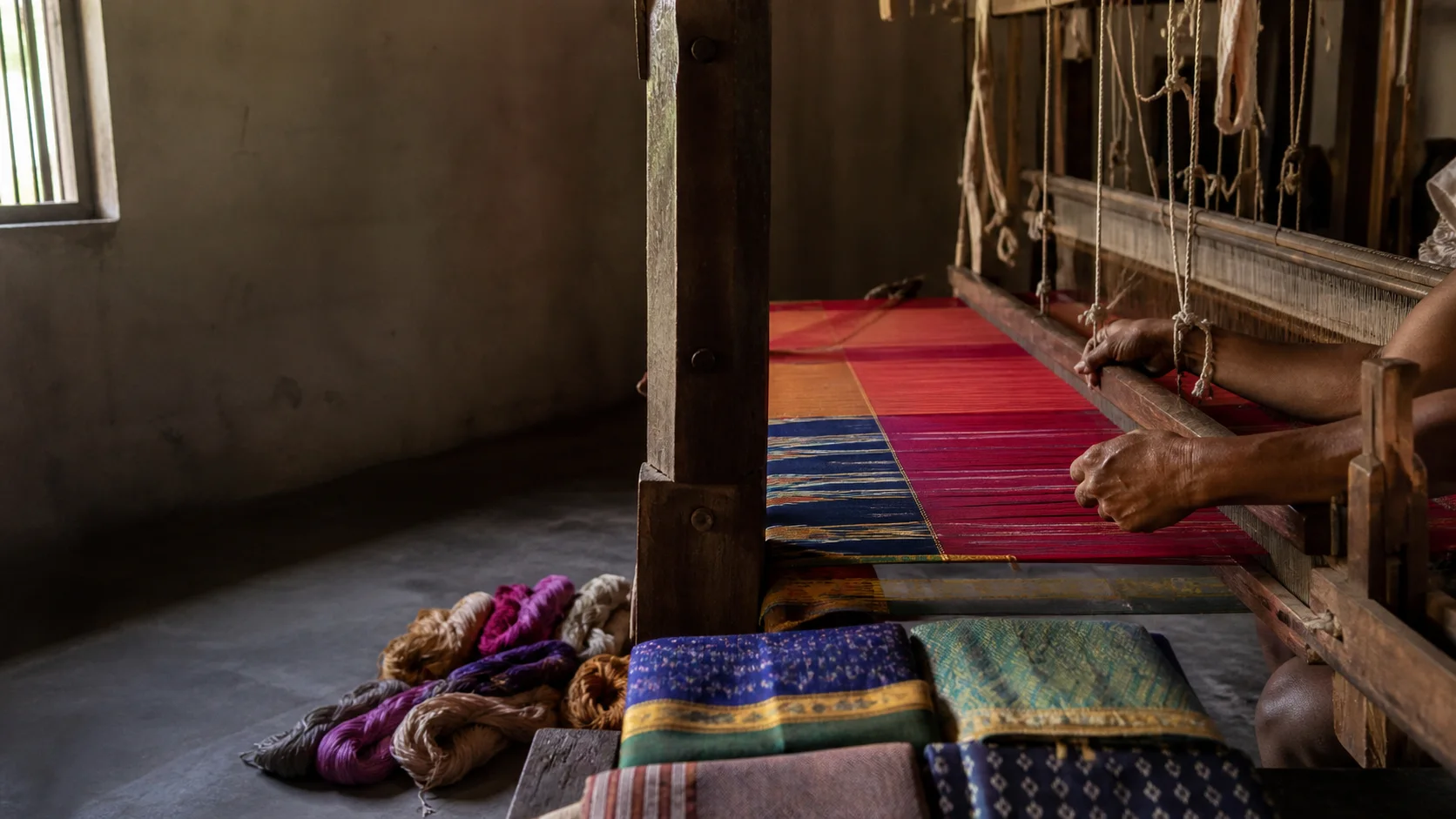
Silk weaving connects design, household skill, cooperative organization, trade and contemporary questions about provenance.
Sriperumbudur and surrounding corridors add industrial, religious and modern political histories to a district too often described only through temples.
Land and water
Geography and regional identity
Current Kancheepuram district is inland and lies west of Chengalpattu; the district headquarters and its main temple landscape are not coastal.[kanchiHome][kanchiAdmin]
The Vegavati and wider Palar basin, tanks and irrigation landscapes connect town, agriculture and water history.
Eastern metropolitan and industrial growth differs from the older temple-city and rural contexts farther inland.
Because official web pages retain some pre-division text, current taluks and the contemporary district portal are used to classify places.[kanchiAdmin]
Evidence and change
Historical overview
Kanchipuram belongs to the historic Tondaimandalam region and is strongly associated with Pallava rule and learning.[kanchiHistory]
Kailasanatha helps trace an early structural temple language, while later temples contain Chola, Vijayanagara and subsequent phases rather than one single date.
Uthiramerur's inscriptions are frequently discussed in histories of local institutional arrangements, but they should be read in full historical context rather than as a modern constitutional slogan.
The district's current form is recent. Tiruvallur separated in 1997 and Chengalpattu in 2019, so historical district names cannot be copied directly into present maps.[kanchiHistory][chengalpattuAbout]
Continue with Tamil Nadu history →Within the district
Cities, towns and local centres
These are district contexts, not newly created destination pages.Kanchipuram
Major Shaiva, Vaishnava and goddess temples, weaving and institutions define the district centre.
Sriperumbudur
Manufacturing corridors and Ramanuja associations create a distinct modern and sacred landscape.
Uthiramerur
Historic temples and inscriptions require evidence-led interpretation.
Walajabad
A Palar-basin settlement connecting agriculture, roads and district movement.
Kundrathur
Living temples and urban expansion show the district's eastern transition.
Sunguvarchatram corridor
Employment and transport landscapes should not be presented as timeless rural Kanchi.
Living and protected places
Temples and spiritual places
Kailasanatha Temple
An early Pallava structural temple protected by ASI; current access rules remain authoritative.
Open full guideEkambareswarar Temple
A large living Shaiva complex with multiple building phases; worship rules lead visitor planning.
Varadaraja Perumal Temple
A major Vaishnava institution whose architecture and festivals require current official information.
Kamakshi Amman Temple
A central goddess temple and living pilgrimage centre; annual arrangements are not hardcoded.
Uthiramerur temple landscape
Temples and inscriptions broaden the district beyond Kanchipuram city.
Interpret carefully
Heritage and architecture
Kailasanatha
Study sandstone carving, enclosure sequence and Pallava structural experimentation.
Kanchipuram temple city
Read streets, tanks, markets and multiple institutions rather than collecting gopuram photographs.
Uthiramerur inscriptions
Use epigraphic context and avoid projecting modern terminology without qualification.
Weaving neighbourhoods
Heritage includes living labour, supply chains and design knowledge, not only monuments.
Living knowledge
Culture, food and regional products
Culture and festivals
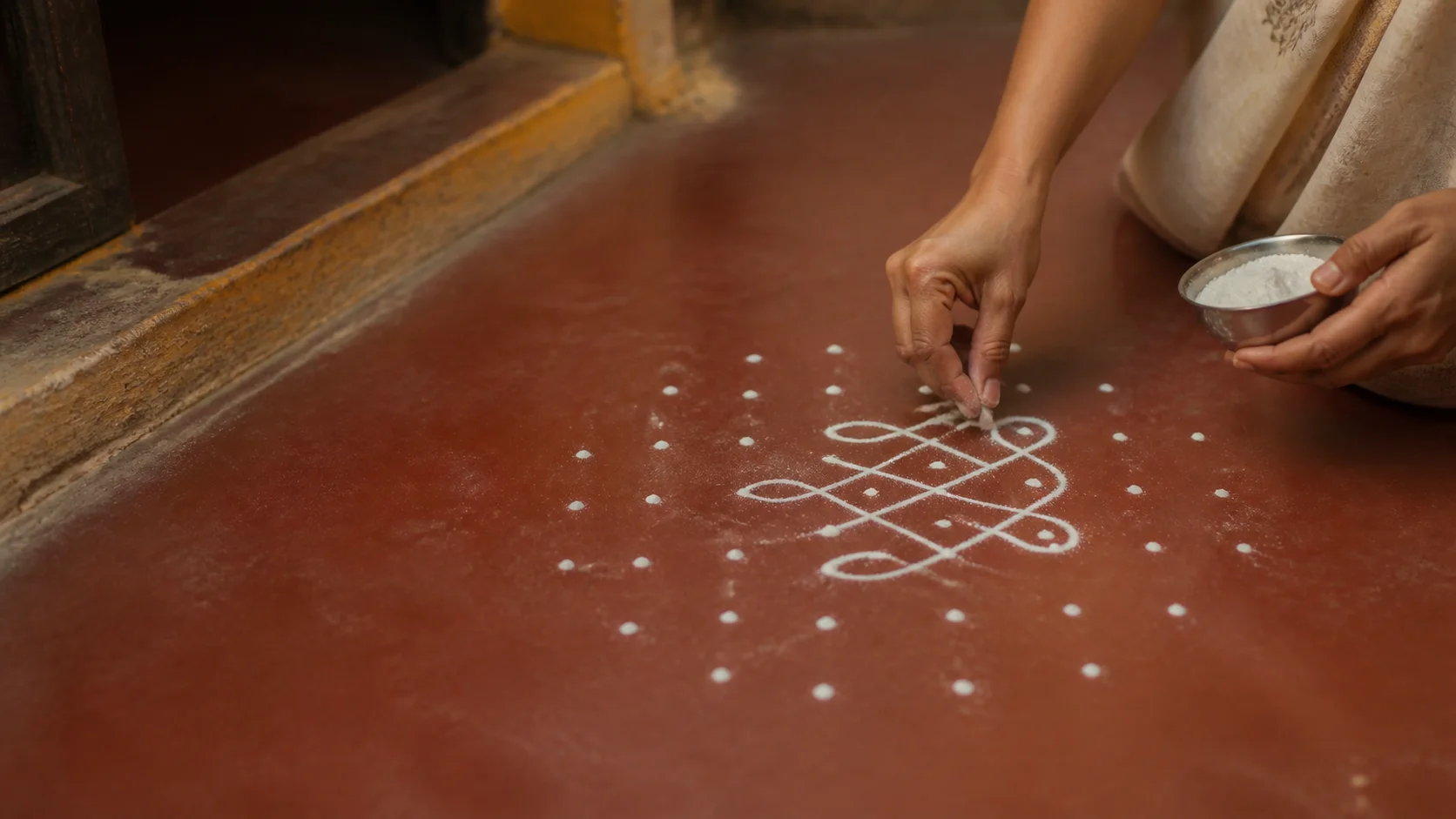
Kanchipuram's religious culture is plural within Hindu traditions and historically also includes Buddhist and Jain associations that require source-specific discussion.
Silk weaving is practiced through families, workshops, cooperatives and businesses; a visitor should not treat makers as a performance.
Temple festivals reshape streets and access, but dates and crowd controls belong to current temple and district notices.
Food and cuisine
Temple-town eating includes tiffin, meals and ritual-food contexts, but no single dish is assigned to every household or community.
Kanchipuram idli is culturally associated with the city, but its 2025 GI filing remains an application rather than a registered status; this page does not label it a registered GI.
Current eateries are not ranked, and dietary or hygiene guarantees are not made.
Making and provenance
Regional products and crafts
Kancheepuram Silk is recorded as a registered geographical indication by the official GI Registry.[kanchiSilk]
GI registration identifies a protected geographical indication; it does not certify every item sold under a familiar city name or guarantee labour conditions.
Buyers should ask about fibre, zari, weaving process, maker, authorized use and documentation rather than relying on price or shop signage.
Landscape first
Nature and wildlife
Tanks, river-basin landscapes, fields and remaining open land are working systems within a rapidly developing district.
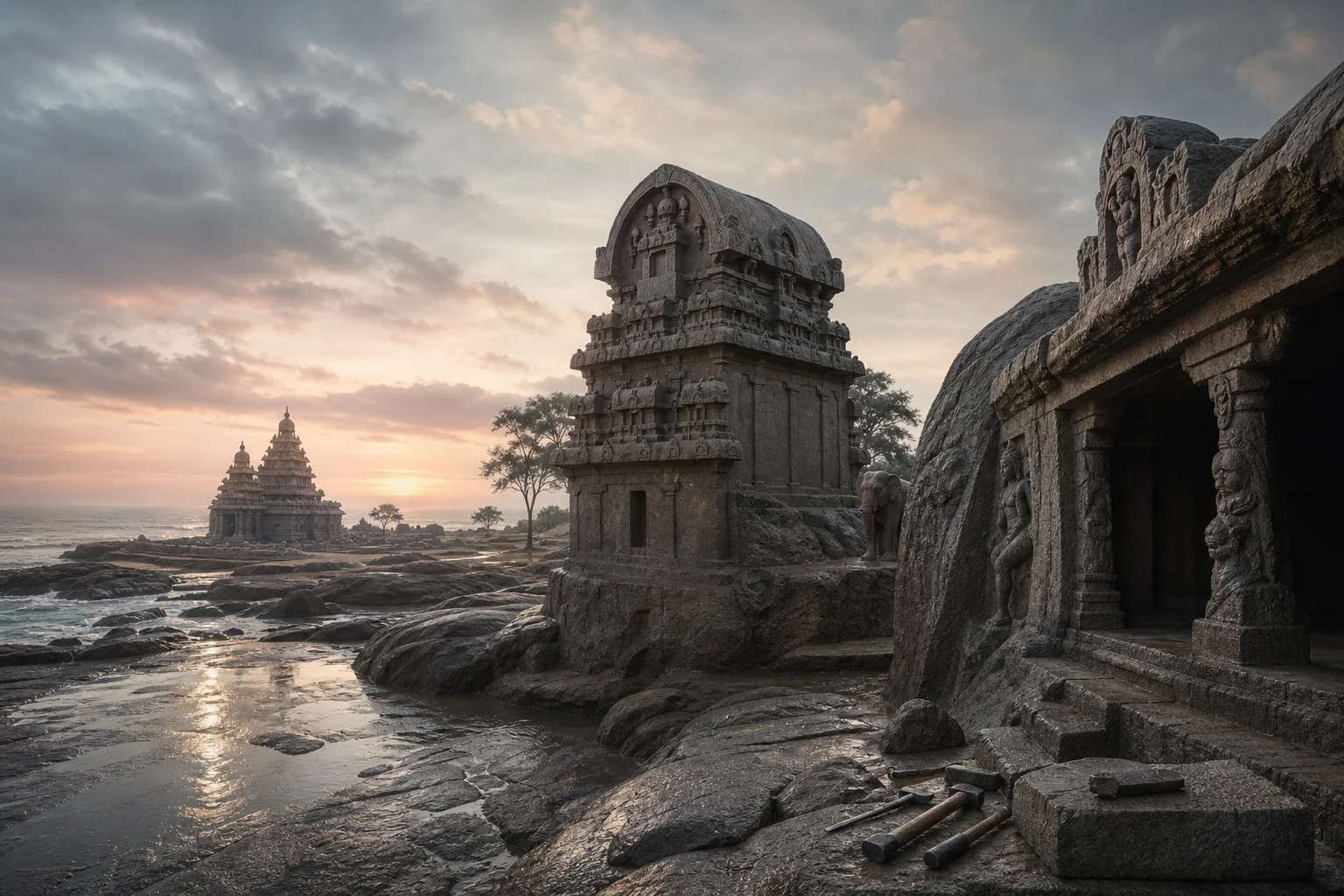
The district should not inherit Chengalpattu's coast or Vedanthangal simply because older tourism material grouped them together.
Nature visits remain conditional on current access, rainfall and land-use rules; wildlife sightings are never promised.
Work and change
Economy and livelihoods
Handloom, trade, agriculture, religious services, education and manufacturing all shape the district.
Sriperumbudur-area industry connects the district to metropolitan supply chains, but industrial statistics are omitted because they are unstable and unnecessary.
Temple and textile visitor economies should be understood alongside residents' daily mobility and work.
Build a coherent route
Places to explore in Kancheepuram
Kailasanatha Temple
Use the existing full guide to study early structural temple form.
Ekambareswarar Temple
Verify worship, dress and photography rules.
Varadaraja Perumal Temple
Understand layered patronage and current worship.
Kamakshi Amman Temple
Plan around living pilgrimage rather than monument-only expectations.
Uthiramerur
Read temples and epigraphy through historical scholarship.
Weaving context
Seek consent and transparent provenance before workshop visits or purchases.
Sriperumbudur
Compare industrial growth with religious institutions.
Kanchipuram streets and tanks
Observe how sacred routes, commerce and water structure the city.
Choose your pace
Things to do
Compare temple phases
Look for Pallava, Chola, Vijayanagara and later layers without dating a whole complex from one feature.
Read one inscription responsibly
Use a published translation and never touch or trace stone.
Learn the weave before buying
Ask about material, loom, maker and GI use.
Walk a temple-city cluster
Reduce transfers and respect processional streets.
Visit Uthiramerur with context
Avoid turning one inscription into a simplified political claim.
Contrast city and industry
See how modern corridors differ from the old headquarters.
Use a verified festival calendar
Do not assume annual dates or access.
Connect to Pallava history
Move from district geography to the established dynasty guide.
Conditions, not promises
Best season and current checks
The inland district can have demanding heat, especially in exposed temple and street environments; pace outdoor visits accordingly.
Northeast-monsoon rain can affect tanks, roads and urban movement, while exact conditions require IMD information.[imd][warnings]
Temple festivals and silk shopping periods can change crowds, but this evergreen guide publishes no live demand claims.
Plan by days
Suggested duration
1 day
Choose a coherent Kanchipuram city temple-and-textile route.
2 days
Add Uthiramerur or Sriperumbudur as a separate district context.
3 days+
Use slower temple study, craft learning and one modern-growth theme.
Regional access
How to reach
Rail
Kanchipuram and district stations serve different corridors; check current Indian Railways information.
Road
Roads connect Chennai, Chengalpattu and northern interiors, but no travel time is promised.
Regional gateways
Chennai's metropolitan transport can be useful without making Kancheepuram part of Chennai district.
Local movement
Getting around
Kanchipuram city can be explored in clusters, but Sriperumbudur and Uthiramerur require separate transport planning.
Temple entry, workshop access and photography all depend on consent or responsible authority instructions.
Place-name links
Map of Kancheepuram district
No fabricated coordinates or heavy map embed are used.Map data is not embedded on this lightweight page. Open a place-name search in Google Maps for current roads, business details and directions.
Continue geographically
Nearby districts
Continue by subject
Related My Tamil Nadu guides
Practical planning
Save a district checklist
Saved only in this browser. No login or personal data is needed.
Questions
Frequently asked questions about Kancheepuram
Is the official district name Kancheepuram or Kanchipuram?
The district administration uses Kancheepuram; Kanchipuram is a common English form and the URL used by this project.
Is Mamallapuram in Kancheepuram district?
No. It is in modern Chengalpattu district.
Does Kancheepuram district have a coast?
The current district is inland after the 2019 creation of Chengalpattu district.
Is Kancheepuram Silk a registered GI?
Yes, according to the official GI Registry, but registration does not authenticate every product sold under the name.
How many days are useful?
One day introduces Kanchipuram city; two or more allow Uthiramerur, Sriperumbudur or slower craft study.
Are temple timings listed?
No. Check the responsible temple, HR&CE or district source.
Is Kanchipuram idli a registered GI?
The registry showed a new application rather than completed registration during this review, so no registered-GI claim is made.
Editorial trust
Sources and further reading
Major factual claims were checked against authoritative references. Last reviewed 9 August 2026.- Kancheepuram DistrictKancheepuram District Administration · Official district portalReviewed 9 August 2026
- History of KancheepuramKancheepuram District Administration · Official district historyReviewed 9 August 2026
- Revenue administrationKancheepuram District Administration · Official administrative recordReviewed 9 August 2026
- Places of interestKancheepuram District Administration · Official district visitor recordReviewed 9 August 2026
- Kancheepuram Silk GI registrationIntellectual Property India · Official GI recordReviewed 9 August 2026
- About Chengalpattu districtChengalpattu District Administration · Official district profileReviewed 9 August 2026
- Geographical Indications public searchIntellectual Property India · Official registryReviewed 9 August 2026
- Regional Meteorological Centre ChennaiIndia Meteorological Department · Official weather authorityReviewed 9 August 2026
- Tamil Nadu and Puducherry warningsIndia Meteorological Department · Official warning serviceReviewed 9 August 2026
- National Train Enquiry SystemIndian Railways · Official transportReviewed 9 August 2026