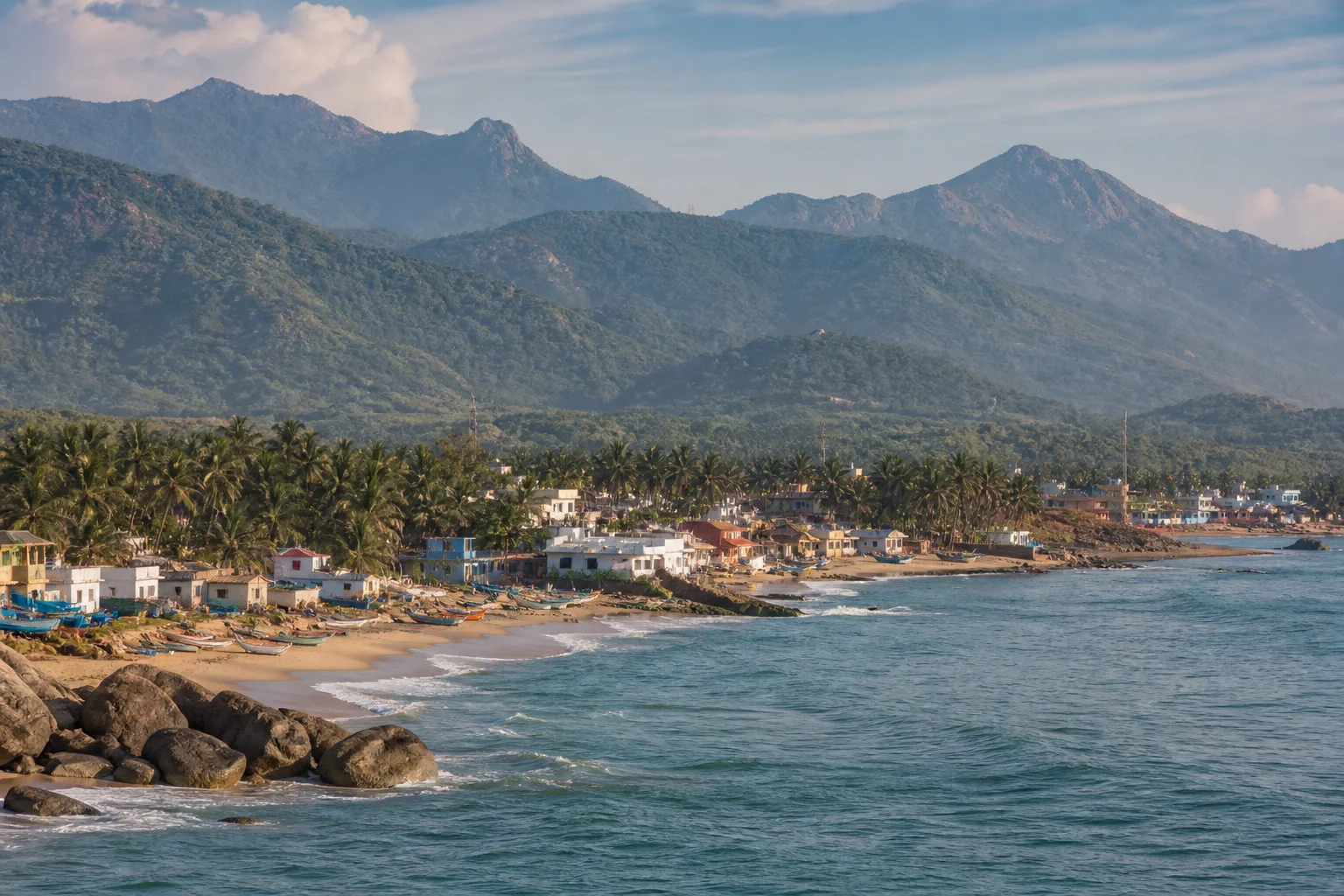
Far-southern mainland, Travancore heritage and meeting coasts
Kanniyakumari District: History, Places and Travel Guide
Kanniyakumari district forms Tamil Nadu's far-southern mainland edge, with Nagercoil as headquarters and Kanniyakumari town as its best-known coastal destination. Western Ghats foothills, productive lowlands, fishing and trading coasts, Suchindram and Travancore-era Padmanabhapuram give the compact district unusual geographic and cultural density.On this page
District overview
Understanding Kanniyakumari district
The official district spelling is Kanniyakumari. This guide may mention Kanyakumari as a common search and historical English variant without creating a duplicate route.[kanniyakumariAbout]
The familiar southern-tip claim refers to the southern end of mainland India, not every island territory of India. Nagercoil, not Kanniyakumari town, is the district headquarters.
Why it matters
Why explore Kanniyakumari?
The district joins three broad maritime directions at India's far-southern mainland while remaining a lived landscape of towns, farms, fishing communities and foothills.
Its history cannot be framed only through modern state borders: Padmanabhapuram was a capital and palace of Travancore, and Malayalam-Tamil cultural connections remain important.[padmanabhapuram]
Suchindram, coastal memorials and Christian, Hindu and Muslim sacred places make plural heritage central to the district.
Land and water
Geography and regional identity
The Western Ghats descend close to the sea, creating short distances between hill, wet lowland and coast.
The waters around the cape are symbolically described as a meeting of seas, but visible colour boundaries and exact meeting lines should not be presented as a permanent scientific spectacle.
Coasts are working and hazardous environments. Viewpoints, ferries and sea access depend on current weather and official control.
Evidence and change
Historical overview
The region's political history includes Pandya, Chera and Travancore connections, but boundaries and authority changed across periods.
Padmanabhapuram Palace served the Travancore rulers before the capital shifted to Thiruvananthapuram. The palace is physically in present-day Tamil Nadu while its history and administration retain Kerala-Travancore context.[padmanabhapuram]
Nagercoil and coastal towns developed through religious, educational, trading and administrative networks.
Modern district identity belongs to Tamil Nadu, while inherited architecture, food, language and worship show a borderland history rather than a sealed cultural divide.
Continue with Tamil Nadu history →Within the district
Cities, towns and local centres
These are district contexts, not newly created destination pages.Nagercoil
Markets, institutions, worship and transport make it the practical urban centre.
Kanniyakumari
Memorials, temple context and exposed coast require careful timing and current checks.
Padmanabhapuram
Palace and town connect the district to Travancore history.
Colachel
Maritime and community history broaden the district beyond the cape.
Marthandam
A busy link between foothill production, district towns and Kerala-side routes.
Living and protected places
Temples and spiritual places
Kumari Amman Temple
A living pilgrimage centre at the cape; sacred tradition should not be converted into geological history.
Suchindram Thanumalayan Temple
A major living temple known for layered architecture and worship; verify current arrangements.
Open full guidePlural sacred landscapes
Churches, mosques and village shrines document the district's varied communities.
Interpret carefully
Heritage and architecture
Padmanabhapuram Palace
A Travancore palace in present-day Kanniyakumari district; closure days and tickets require official confirmation.
Vattakottai context
A coastal fort landscape whose access and fabric should be read through responsible authorities.
Nagercoil and coastal institutions
Religious, educational and trading histories are embedded in living towns.
Cape memorial landscape
Modern memorials carry different political, spiritual and civic meanings.
Living knowledge
Culture, food and regional products
Culture and festivals
Tamil and Malayalam language worlds overlap through family, trade, worship and movement.
Travancore heritage is not foreign to the district's history, nor should it erase present Tamil identity.
Pilgrimage, church festivals, coastal work and market culture vary by town; current programmes must be checked annually.
Food and cuisine
Food reflects coastal fish markets, coconut-rich preparations, rice, tubers and connections across the Kerala-Tamil border.
A district table cannot be reduced to seafood, and no catch or restaurant quality is guaranteed.
Regional names should identify household, community and place contexts where evidence allows.
Making and provenance
Regional products and crafts
Agriculture and horticulture benefit from varied rain and terrain, while fishing and trade shape the coast.
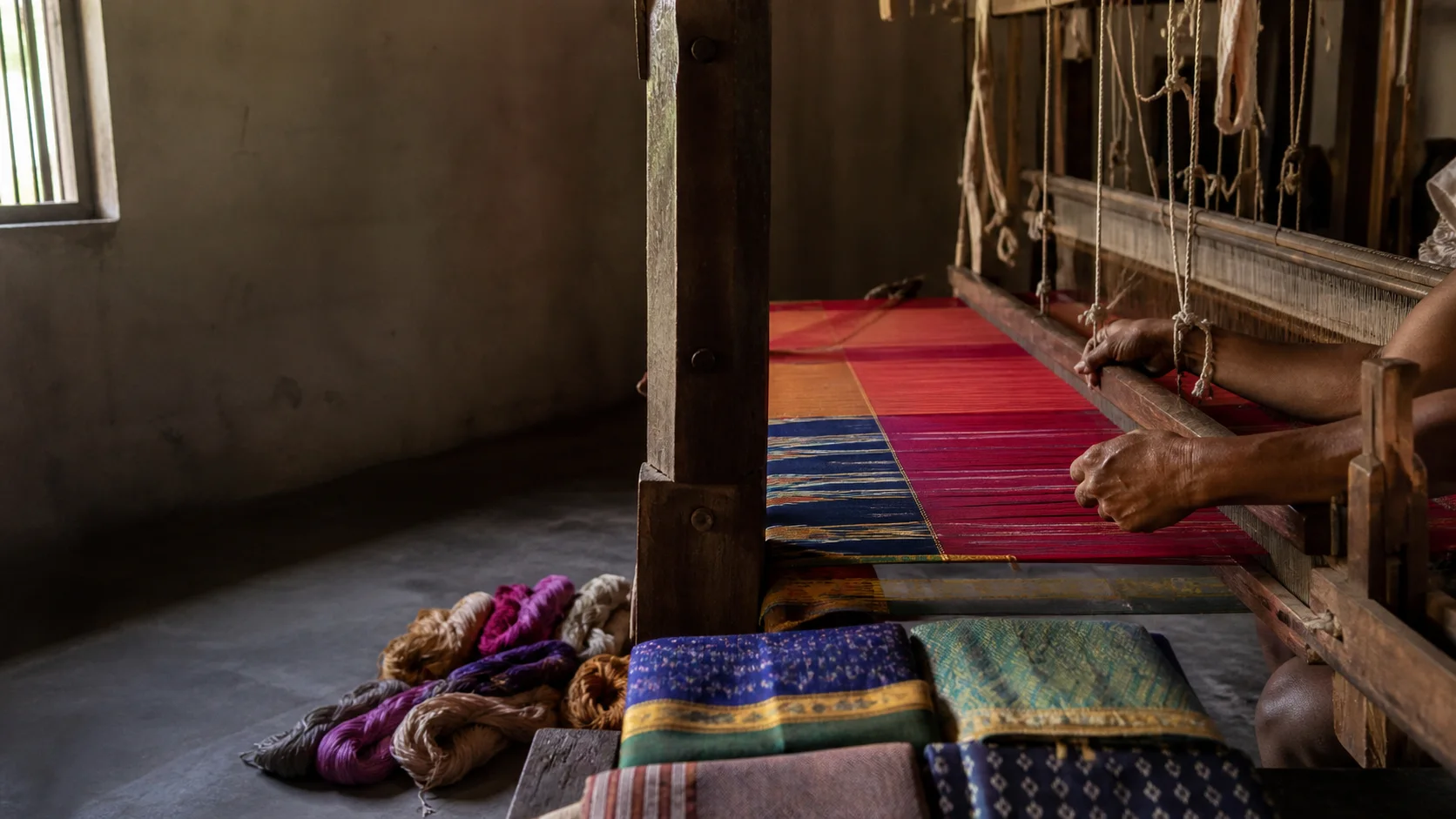
Handmade and food products require maker-level provenance. A souvenir label is not proof of district origin.
Landscape first
Nature and wildlife
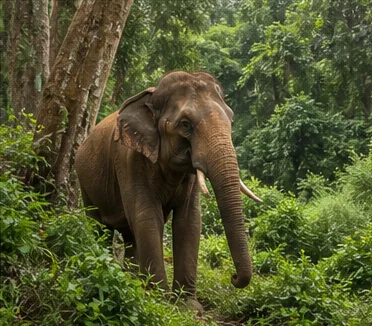
Western Ghats forests are ecologically sensitive and include protected areas; use authorized routes only.[tnForest8b]
Coastal wildlife or sunrise and sunset visibility are never guaranteed.
Rocky viewpoints and rough seas require barriers and local warnings to be obeyed.
Work and change
Economy and livelihoods
Services, agriculture, fishing, trade, education, small industry and visitor activity shape the compact district.
Nagercoil and Marthandam operate as commercial centres distinct from the cape's visitor economy.
No current crop, catch or visitor ranking is asserted.
Build a coherent route
Places to explore in Kanniyakumari
Kanniyakumari town
Plan around current sea, ferry and crowd conditions.
Nagercoil
Use markets and institutions to understand the district beyond the cape.
Suchindram
Visit as a living sacred place.
Padmanabhapuram Palace
Keep its current location and historical kingdom context together.
Colachel coast
Respect working shorelines and local memory.
Western foothills
Use permitted viewpoints and roads only.
Choose your pace
Things to do
Compare cape and headquarters
See how visitor-focused Kanniyakumari differs from Nagercoil's civic role.
Read Travancore history in place
Use Padmanabhapuram without assigning it to the wrong modern district.
Explore plural sacred heritage
Balance temple, church, mosque and community histories.
Study hill-to-sea geography
Observe rapid landscape change without entering protected or unsafe areas.
Conditions, not promises
Best season and current checks
Coastal wind, sea state, rain and cloud affect viewpoints and services.
Hill and western-district rain may differ from conditions at the cape.
This evergreen guide does not publish a forecast, waterfall-flow status, sea condition, forest opening, festival date or crowd prediction. Check the linked authorities close to travel.[imd8b]
Plan by days
Suggested duration
One day
Focus on the cape and one nearby sacred or civic context.
Two days
Pair Kanniyakumari-Suchindram-Nagercoil with Padmanabhapuram on a separate half-day cluster.
Three or more days
Add the western coast or foothills without rushing every memorial and town.
Regional access
How to reach
By rail
Use the station that matches Nagercoil or Kanniyakumari and verify current service.
By road
Road links continue toward Tirunelveli and Kerala; urban congestion and weather can change journeys.
By air
Confirm the practical current regional airport and onward transport.
Local movement
Getting around
Local buses, autos, taxis and hired vehicles cover the compact district, but coast, palace and foothill opening patterns differ.
Place-name map links support orientation only. Confirm the actual route, last-mile transport, parking, accessibility and return options locally.
Place-name links
Map of Kanniyakumari district
No fabricated coordinates or heavy map embed are used.Map data is not embedded on this lightweight page. Open a place-name search in Google Maps for current roads, business details and directions.
Continue geographically
Nearby districts
Continue by subject
Related My Tamil Nadu guides
Practical planning
Save a district checklist
Saved only in this browser. No login or personal data is needed.
Questions
Frequently asked questions about Kanniyakumari
Is Kanniyakumari district the same as Kanniyakumari city?
No. The district headquarters is Nagercoil; Kanniyakumari town is the famous coastal destination within the district.
How many days are useful for Kanniyakumari?
Two days gives a focused introduction; three or more days works better when the district combines distant landscapes or major heritage clusters.
Are opening hours and ticket prices listed?
No. Operational details change and must be confirmed with the responsible temple, museum, forest, district or transport authority.
Can the whole district be covered in one day?
A single day should focus on one geographic cluster. A district is an administrative area, not one compact attraction.
What should be checked before travel?
Check sea warnings, ferry or memorial operations, palace closure information, temple rules, hill rain and current transport.
Are the images documentary photographs?
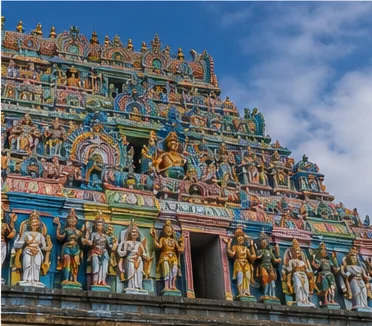
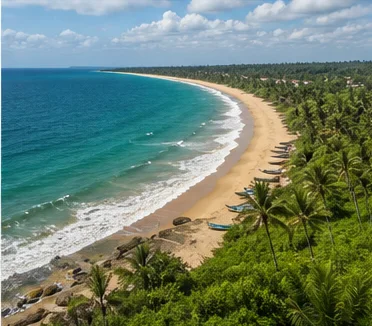
No. They are project-created editorial visuals and are labelled as non-documentary.
Does this guide guarantee transport or access?
No. Rail, bus, road, protected-area and coastal conditions need a current official check.
How does the map work?
It opens place-name searches in Google Maps without publishing invented coordinates or loading a tracking-heavy embedded map.
Editorial trust
Sources and further reading
Major factual claims were checked against authoritative references. Last reviewed 9 August 2026.- About Kanniyakumari districtKanniyakumari District Administration · Official district profileReviewed 9 August 2026
- Tourist places in Kanniyakumari districtKanniyakumari District Administration · Official district visitor recordReviewed 9 August 2026
- Padmanabhapuram PalaceKanniyakumari District Administration · Official district heritage recordReviewed 9 August 2026
- Suchindram Thanumalayan TempleKanniyakumari District Administration · Official district visitor recordReviewed 9 August 2026
- Forests, protected areas and visitor contextTamil Nadu Forest Department · State governmentReviewed 9 August 2026
- Regional Meteorological Centre ChennaiIndia Meteorological Department · Official weather authorityReviewed 9 August 2026
- National Train Enquiry SystemIndian Railways · Official transportReviewed 9 August 2026