Island pilgrimage, coastal history and fragile marine landscape
Rameswaram Guide: Temples, History & Coast
Rameswaram is an island town where Hindu pilgrimage, temple architecture, marine geography, fishing communities, rail and road engineering, memory and severe coastal weather intersect. This guide clearly separates religious tradition from historical evidence while helping visitors plan respectfully around a fragile coast.
On this page
Start here
Why Rameswaram
Rameswaram is distinct because sacred geography and physical geography are inseparable. Pilgrims understand the island through traditions connected with Rama, Shiva, sacred water and journeys across India. Coastal visitors encounter a narrow, wind-exposed island with fishing settlements, marine ecosystems, engineering links to the mainland and the remains of Dhanushkodi.
The destination requires more care than a standard attraction circuit. Temple requirements, ritual choices, heat, exposed roads, sea warnings and access controls can all change a day. A good plan allows the town and coast to remain meaningful without presenting belief as archaeology or the shoreline as an empty adventure setting.
Historical context
A short history of Rameswaram
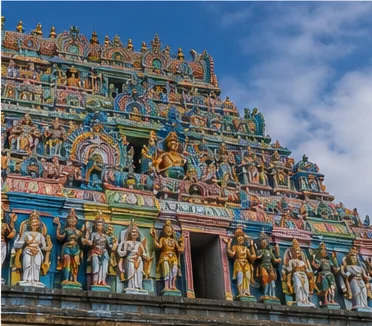
Rameswaram's importance is first understood through religious tradition. According to Hindu tradition, Rama worshipped Shiva here in connection with the events of the Ramayana. This belief gives Ramanathaswamy Temple major pilgrimage significance and links Rameswaram with sacred journeys across the subcontinent. The narrative is a matter of faith and textual tradition; it should not be presented as an archaeologically verified event.
The surviving temple complex developed through patronage over multiple periods. Corridors, gateways, shrines and sacred-water practices reflect a living institution rather than one construction moment. Historical study depends on inscriptions, architectural analysis and records of regional patrons. Current ritual procedures and access belong to temple authorities, not to an evergreen travel article.
Pamban Island's modern history is also shaped by transport and weather. Rail and road links connected the island more closely with the mainland, while pilgrimage, fishing and commerce supported settlement. Dhanushkodi was severely damaged by the 1964 cyclone; its remains now carry both historical memory and the risks of an exposed coast. Visitors should avoid turning disaster ruins into a theatrical backdrop.
Rameswaram is also connected with the life of A. P. J. Abdul Kalam, who was born in the town and later became President of India. The district's memorial adds a modern scientific and national-history dimension to a place too often described only through pilgrimage.
Plan your visit
Places to explore in Rameswaram
Access, opening details and current conditions should be verified with the responsible official source before travel.
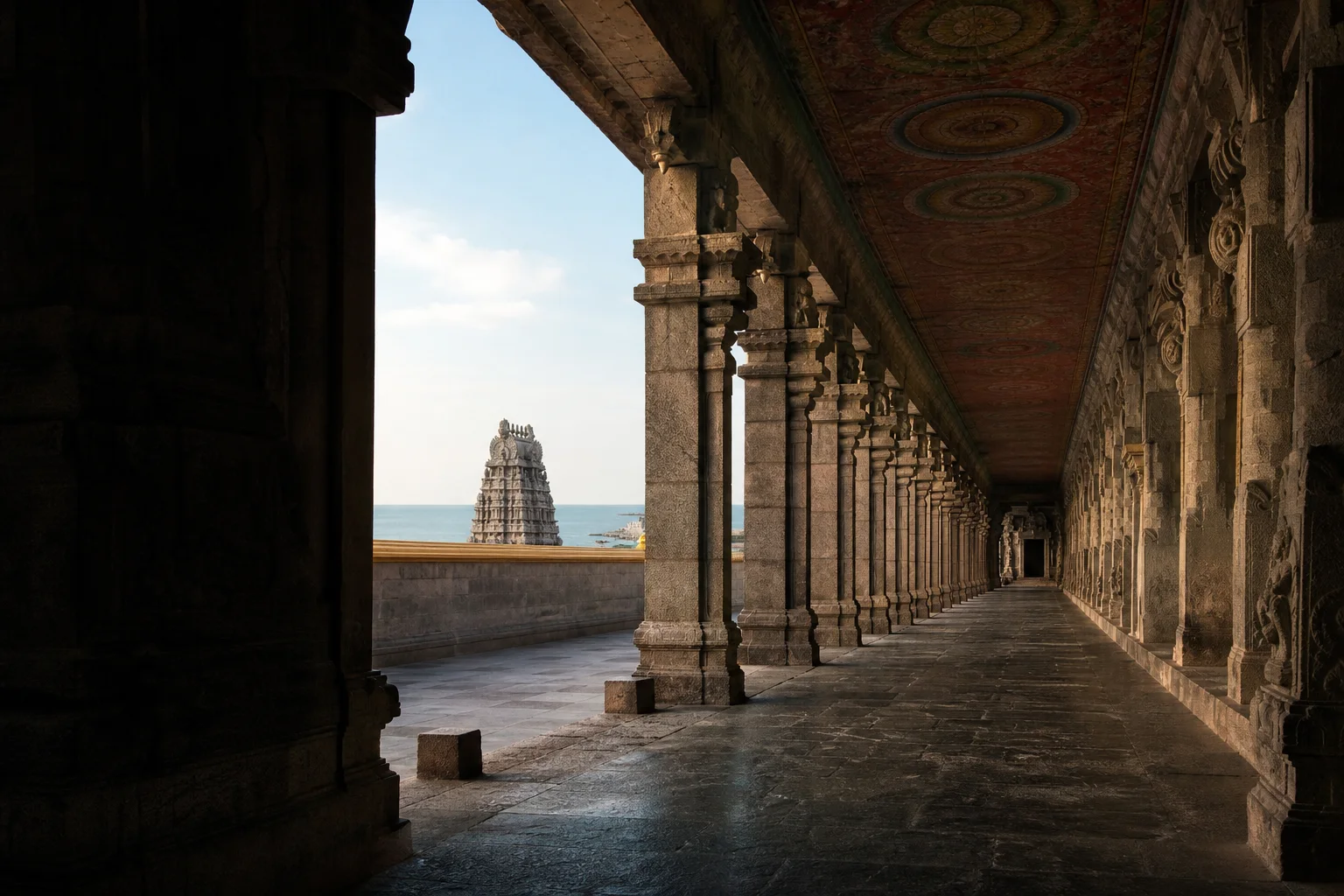
Ramanathaswamy Temple
A major Shiva temple and the centre of Rameswaram's sacred geography. Its long corridors, gateways, shrines and ritual-water traditions require respectful, well-informed planning.
Verify timings, bathing procedures, dress, permitted items and festival access officially.Agni Theertham seafront
The shore east of the temple is associated with pilgrimage bathing. Religious practice, sanitation, sea conditions and personal safety should all be considered; participation is a personal choice, not a sightseeing requirement.
Pamban crossing
The mainland approach makes the island geography immediately visible. Rail and road structures are working infrastructure, so stopping, photography and access must follow current rules.
Dhanushkodi
The exposed end of the island combines sea, sand, weather, religious association and the remains of a settlement devastated by cyclone. Access depends on coastal and administrative conditions.
Check district instructions and return before any local closure time.A. P. J. Abdul Kalam Memorial
The memorial provides context for Kalam's life and national contribution, broadening the destination beyond sacred heritage. Verify public access and security requirements.
Gandhamadhana Parvatham
A raised sacred place associated with Hindu tradition and island views. Belief narratives should be identified as tradition, and crowd or access conditions checked locally.
Kothandaramaswamy Temple area
A remote-feeling sacred stop toward Dhanushkodi, meaningful within religious tradition and the island's coastal landscape. Do not assume unrestricted access during severe weather.
Fishing settlements and working coast
Boats, nets, markets and shoreline work reveal the island's economy. These are workplaces and communities, not staged attractions; permission matters.
Choose your pace
Things to do in Rameswaram
Understand pilgrimage before participating
Learn which practices are religious choices and verify procedures directly with temple authorities.
Read the island from the crossing
Notice the narrow landform, working waterways and vulnerability without obstructing infrastructure.
Visit Dhanushkodi with restraint
Treat the site as a weather-exposed place of memory and living coastal use, not an abandoned playground.
Add modern history
Use the Kalam memorial to connect Rameswaram with education, science and twentieth-century India.
Observe the working coast
Respect fishers, boats and markets and ask before photographing people or equipment.
Slow the itinerary
Leave margin for temple queues, weather and road controls rather than packing the day with remote stops.
Living places
Temples, heritage and interpretation
Ramanathaswamy Temple is an active institution whose architecture accumulated over time. Descriptions of corridors and sacred wells should not be turned into fixed ritual instructions. Visitors must use the official temple source for current access, pooja, bathing and dress information.
Rameswaram's heritage includes religious traditions, coastal settlements, transport engineering, cyclone memory and modern national history. The statewide temple guide provides broader context, while the distinction between devotion and historical method should remain visible throughout the page.
Everyday context
Culture and food
Culture
Pilgrimage organizes much of Rameswaram's public life through lodgings, ritual services, food, language diversity and routes between shore and temple. Visitors should not assume every resident works in pilgrimage or every coastal site is sacred in the same way.
Fishing knowledge, boat work and adaptation to weather are equally important parts of island culture. Religious visitors and leisure travellers share limited roads and public spaces, making courtesy and waste reduction practical necessities.
Explore Tamil Nadu culture →Food
Rameswaram supports both vegetarian pilgrimage food and coastal fish or seafood traditions among local communities. These belong to different household, religious and commercial settings; describing the island as uniformly vegetarian or uniformly seafood-based would be inaccurate.
Simple rice meals, tiffin, tea and regional Tamil cooking are widely relevant categories. Restaurant recommendations and claims about daily catch require current editorial review and are outside this phase.
Explore Tamil Nadu food →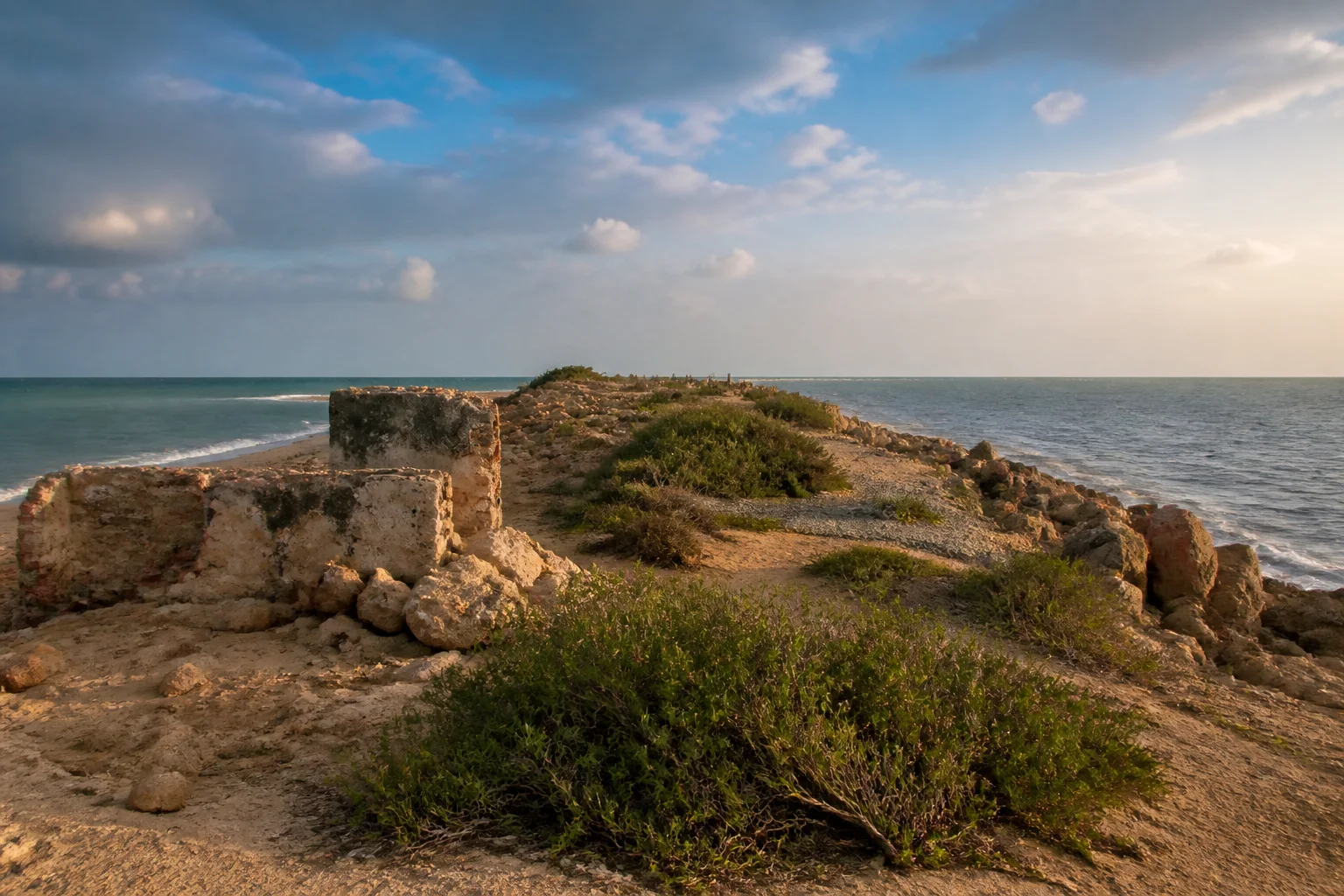
Travel with context
Nature, season and month-by-month planning
Landscape and ecology
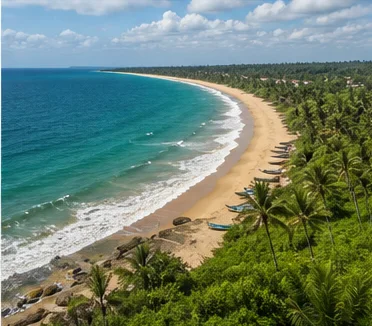
Pamban Island lies within a highly sensitive marine region. Beaches, dunes, seagrass-associated waters, bird life and fishing grounds should not be treated as unlimited recreational space. Sea state, erosion, storms and protected-area rules can change access.
Shells, coral material and marine life should remain where they are. Boat and wildlife experiences must use authorized operators and current permissions; this page does not imply that any unverified excursion is available.
Seasonal planning
Rameswaram is exposed to sun, wind, salt and changing sea conditions. Heat-aware planning is essential, while monsoon and cyclone periods require close attention to IMD warnings and district instructions. A clear morning does not override an official coastal warning.
Pilgrimage demand changes around festivals and holidays, but exact crowd forecasts are unreliable without current temple and district information. Build flexibility into accommodation and transport rather than relying on a fixed 'quiet season'.
January
Often used for pilgrimage and coast travel; verify holiday crowds and wind conditions.
Open month guide →FebFebruary
Plan temple and island time with strong sun protection.
Open month guide →MarMarch
Heat becomes more demanding; shorten exposed midday stops.
Open month guide →AprApril
Temple queues and heat require generous margins.
Open month guide →MayMay
Limit exposed coast time and carry reliable hydration.
Open month guide →JunJune
Wind and sea conditions need current local checks.
Open month guide →JulJuly
Keep coastal outings conditional on official advice.
Open month guide →AugAugust
Use flexible plans for remote island roads.
Open month guide →SepSeptember
Transition conditions make current forecasts essential.
Open month guide →OctOctober
Monitor northeast-monsoon and coastal warnings closely.
Open month guide →NovNovember
Rain or severe weather can change Dhanushkodi access.
Open month guide →DecDecember
Popular travel period in many years; verify weather and pilgrimage arrangements.
Open month guide →Practical access
How to reach and get around Rameswaram
By air
Madurai is a common airport gateway for Rameswaram journeys. Flight routes and road connections should be checked close to travel.
By train
Rail services reach Rameswaram across Pamban. Use Indian Railways for current train operation, booking and engineering-related service changes.
By road
Road access crosses from the mainland to Pamban Island. Buses, taxis and private vehicles serve the route, but severe weather or local controls can affect movement.
Getting around
Autos, taxis, buses and arranged vehicles connect the temple town with outer island stops. Central temple streets can be walked, though heat, wet surfaces, crowds and restricted items require planning.
Dhanushkodi and other exposed areas should be grouped into one outward-and-return route with current access confirmation. Never depend on a fixed travel time or assume the road remains open in poor weather.
Plan by days
Suggested Rameswaram itineraries
These are editorial sequences, not promises of travel time. Confirm access and adapt the pace to current conditions.
Prioritize the temple town and one carefully verified island extension.
- Day 1Temple and sacred-water context according to personal practice; Kalam memorial or Pamban perspective later; Dhanushkodi only if access, weather and daylight allow.
Separate pilgrimage and exposed coastal travel for a calmer visit.
- Day 1Ramanathaswamy Temple, town context and modern history.
- Day 2Pamban and Dhanushkodi coastal route with official-condition checks and an early return margin.
Continue nearby
Places around Rameswaram
Open map tools
Map of Rameswaram
Interactive map data is not loaded on this static page. Open Google Maps for current place details and directions.
Before you go
Practical travel guidance
Temple requirements
Verify dress, wet-clothing procedures, permitted belongings and ritual arrangements directly.
Coastal safety
Follow IMD, police, district and local sea instructions without exception.
Heat and exposure
Carry water, sun protection and clothing suited to wind and salt.
Families and seniors
Reduce remote stops and allow recovery time around ritual or queue-heavy visits.
Photography
Respect temple bans, memorial security and permission in fishing communities.
Waste
Carry reusable water where practical and take all waste away from beaches and dunes.
Saved only in this browser. No account or personal data is required.
Responsible travel
Separate faith statements from historical claims
Respect worshippers and ritual privacy
Do not collect shells, coral or marine life
Keep dunes and coast free of litter
Ask before photographing fishing work
Never cross barriers or ignore weather closures
Questions
Frequently asked questions about Rameswaram
Is Rameswaram suitable for a two-day trip?
Yes. Two days lets visitors separate temple-town time from the Pamban and Dhanushkodi coastal route.
Is every Rameswaram story a historical fact?
No. Important narratives belong to Hindu religious tradition and should be identified as such rather than presented as archaeology.
Are Ramanathaswamy Temple timings listed?
No. Timings, rituals, bathing procedures and access rules must be confirmed through official temple sources.
Can Dhanushkodi always be visited?
No. Weather, sea conditions, road controls and administrative instructions can affect access.
Is one day enough?
One day can cover the temple context and one additional theme, but it leaves little margin for queues or weather.
Can visitors swim at the beaches?
Do not assume a beach is safe. Follow local warnings and avoid entering the sea in unverified conditions.
What should non-pilgrims do?
Approach the temple respectfully, explore modern history and coastal geography, and avoid treating rituals as a spectacle.
How should visitors reach Rameswaram?
Current rail and road options should be checked officially; Madurai is a common regional air gateway.
Editorial trust
Sources and further reading
Major factual claims were checked against the references below. Last reviewed 8 August 2026.
- Tourist places in Ramanathapuram districtRamanathapuram District AdministrationReviewed 8 August 2026
- Rameswaram destination informationMinistry of Tourism, Government of IndiaReviewed 8 August 2026
- Dhanushkodi destination informationMinistry of Tourism, Government of IndiaReviewed 8 August 2026
- Official Temple GuideGovernment of Tamil Nadu HR&CE DepartmentReviewed 8 August 2026
- Regional Meteorological Centre ChennaiIndia Meteorological DepartmentReviewed 8 August 2026
- Official railway booking portalIndian Railway Catering and Tourism CorporationReviewed 8 August 2026