Practical decisions for sensitive places
Responsible Nature Travel in Tamil Nadu
Prepare, observe and adapt without turning conservation rules into an afterthought or nature into a guaranteed encounter.
Ecological context
Why This Landscape Matters
Start with the authority responsible for the place: Forest Department for protected forest access, district administration for local waterfall or route notices, IMD for weather and coastal warnings, and site management for wetlands or visitor facilities. A social post or old review cannot confirm current access.
On this page
Nature guide
Prepare for the actual landscape
Start with the authority responsible for the place: Forest Department for protected forest access, district administration for local waterfall or route notices, IMD for weather and coastal warnings, and site management for wetlands or visitor facilities. A social post or old review cannot confirm current access.
Keep a flexible alternative. Closures, high water, low visibility, rough sea, fire risk or wildlife movement can change a day. Responsible planning accepts that nature is not a booked performance.
Nature guide
Forests and protected areas
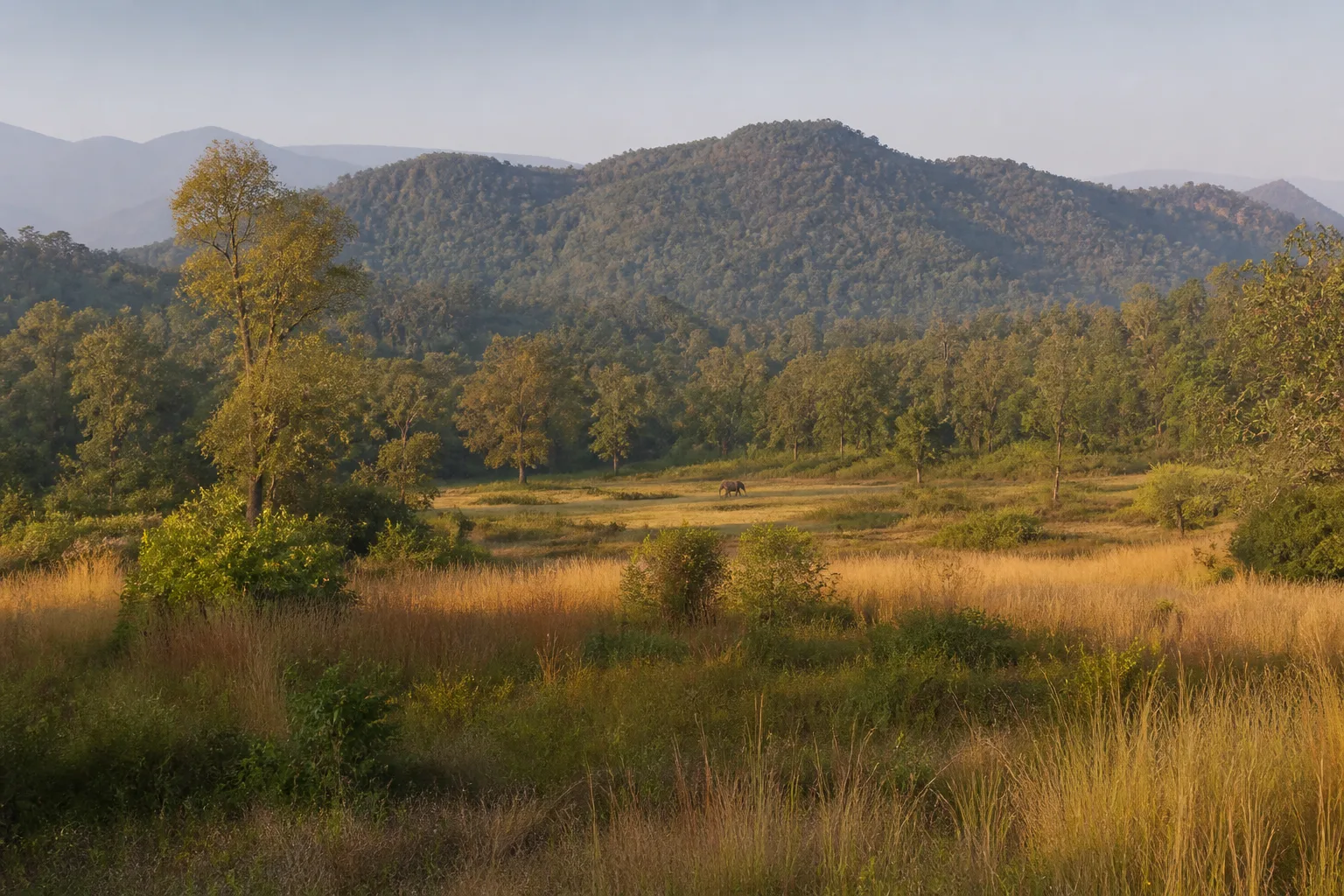
Stay on permitted paths and inside authorized visitor zones. Verify trekking, camping and vehicle rules. Do not use unofficial forest-entry routes, bypass checkpoints, light fires, cook in forest or camp without explicit permission.
Keep food secured and waste with you. Follow rangers and guides. Access rules vary by zone and can change; a public road through habitat does not grant access to the forest beside it.[1]
Nature guide
Give wildlife space
Do not feed, call, bait, touch, crowd or follow animals. Stay in the vehicle where required, keep roads open and use binoculars rather than approaching. Wildlife sightings are never guaranteed.
If an animal changes behaviour because of your presence, increase distance. Avoid loud music, flash or lights that disturb animals. Do not share sensitive location details for nests, dens, breeding areas or rare species.
Nature guide
Waterfalls and rivers
Check recent weather and district or Forest Department notices. Stay behind barriers, avoid restricted or slippery rocks and never assume water conditions are safe. Do not enter strong currents or use unofficial paths to closed falls.
Carry suitable footwear and a dry layer. Keep soap, food and waste out of natural water. Leave when officials direct or visibility deteriorates.
Nature guide
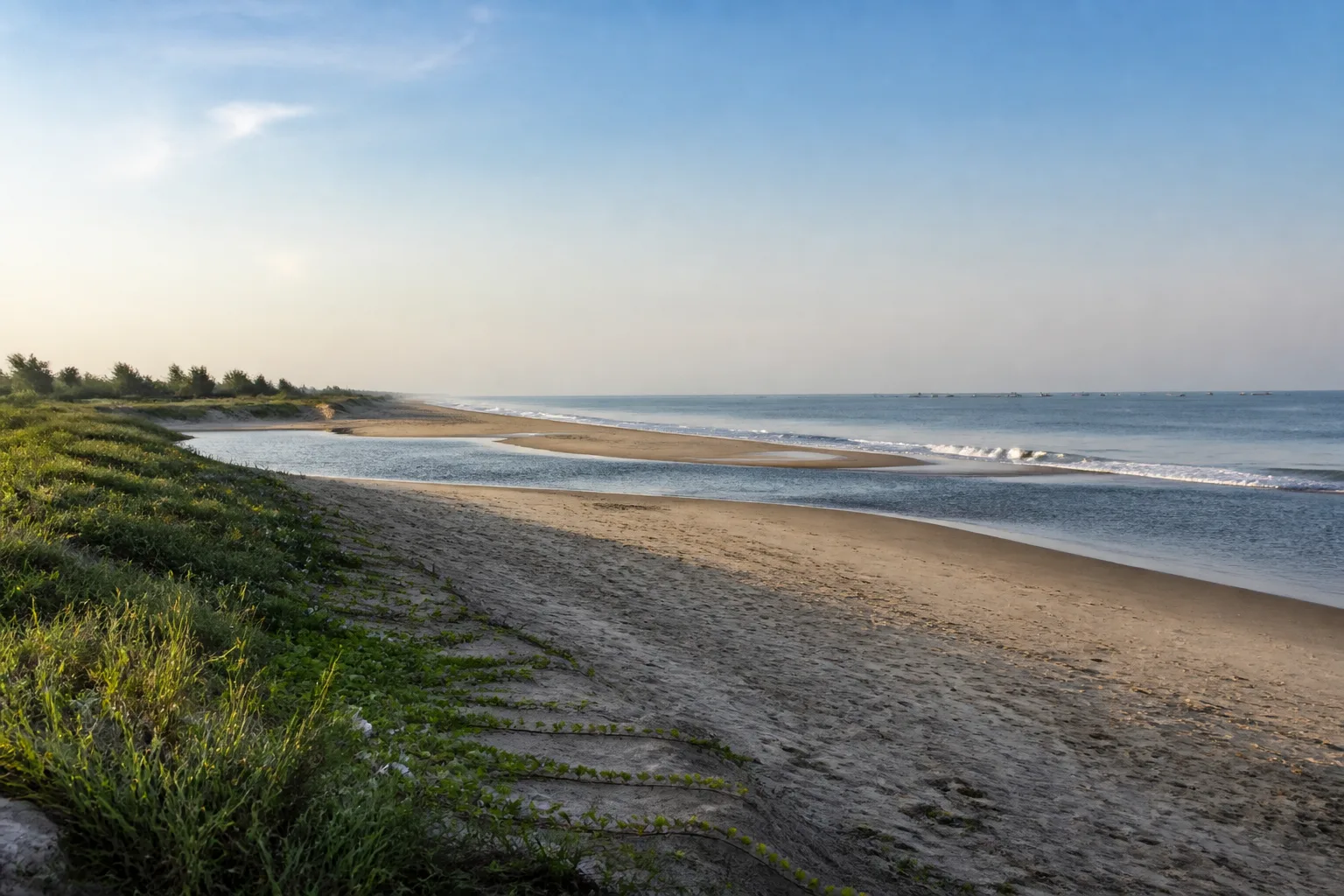
Beaches and marine environments
Review current coastal warnings and follow lifeguard or local instructions. No beach is permanently safe for swimming. Keep away from restricted dunes, nesting areas, rough water and exposed storm-viewing points.[2]
Do not touch coral, collect restricted shells, enter protected islands through unauthorized boats or handle marine wildlife. Keep landing areas clear for fishing work.
Nature guide
Wetlands and birdwatching
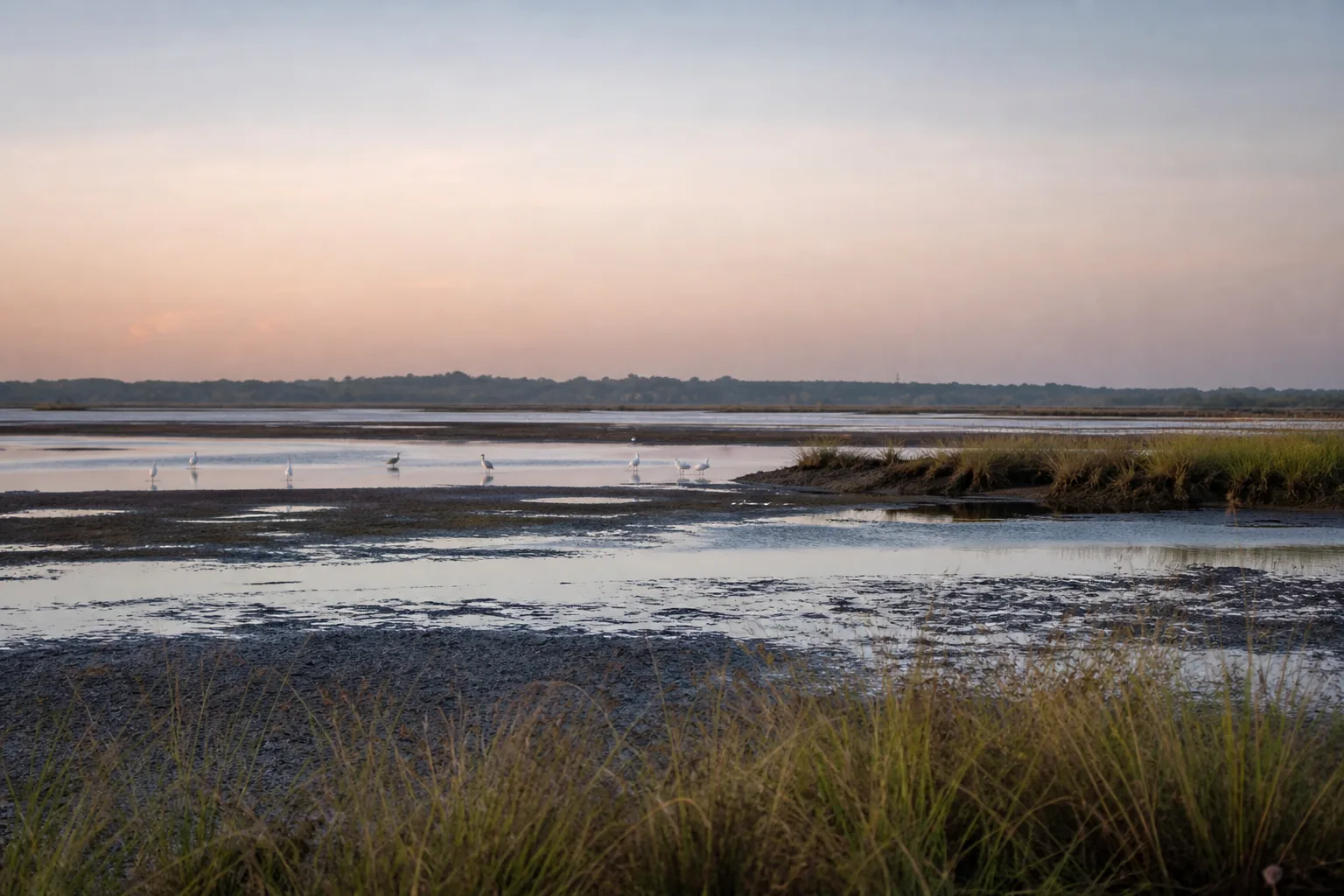
Stay on permitted paths, keep voices low and use binoculars. Avoid playback, nest disturbance and close approach. Water levels and bird presence vary, so the habitat remains the purpose even on a quiet day.
Do not enter marsh vegetation or mudflats for a photograph. Respect restoration areas and community water use. A Ramsar or sanctuary designation is a conservation context, not a guarantee of close access.
Nature guide
Hill stations and viewpoints
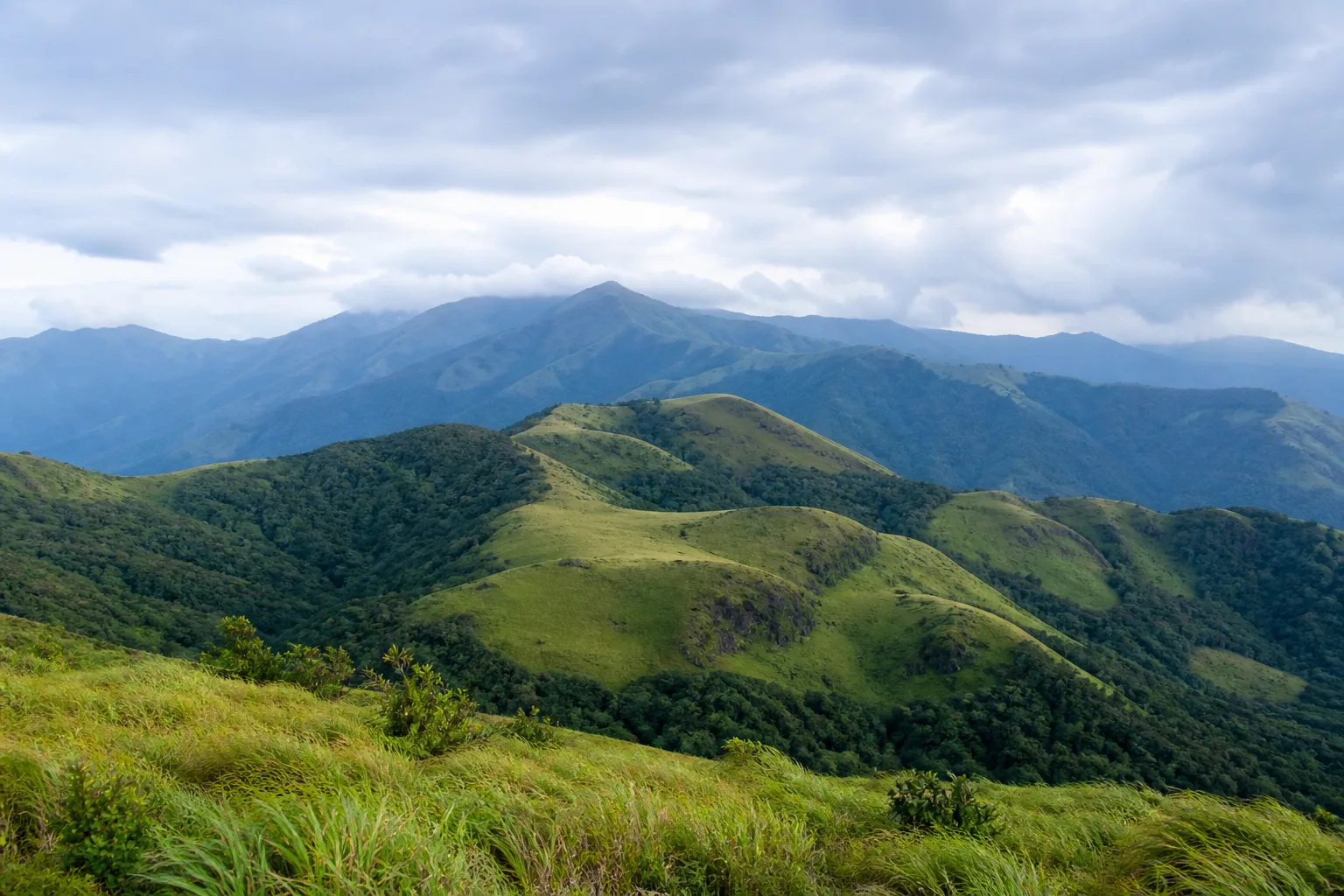
Review hill weather, visibility and roads. Carry appropriate layers and avoid unsafe roadside stopping. Use authorized walking routes and respect estate, community and forest boundaries.
Hill towns face water, waste and traffic pressure. Refill where practical, carry waste out, support local services and spread a visit beyond one crowded viewpoint without entering sensitive land.
Nature guide
Photography, drones and privacy
Photograph from distance. Do not bait animals, use bird playback, block roads or ask guides to break rules. Drone restrictions can apply for safety, privacy, wildlife and protected-area reasons; verify authorization before carrying or operating one.
Ask before photographing people, homes or work. Avoid geotagging sensitive ecological or community locations. An ethical image does not require secret access.
Seasonal lens
Nature Through the Year
Conditions vary with rainfall and year. Use the statewide month guides for broad context, then check the responsible authority for current conditions.
Explore Tamil Nadu by Month- Landscape
- Strong seasonal interest
- Conditions
- Weather-dependent
- Planning
- Verify current access
General location only
Open a map handoff
The map opens a broad landscape or visitor destination. It does not reveal nests, dens, breeding areas, restricted islands or sensitive wildlife coordinates.
Private planning tool
Nature Trip Checklist
0 of 10 readySaved only in this browser. No login or personal data is required.
Questions
Frequently asked questions
Is visitor access guaranteed?
No. Protected areas and nature sites can close or change access rules. Check the current Forest Department, district administration or responsible site authority before travelling.
Are wildlife sightings guaranteed?
No. Wildlife is not scheduled and should never be chased. Read these guides as habitat and conservation context, then follow ranger instructions in permitted visitor areas.
Does this page show live weather or road status?
No. This is evergreen ecological and planning information. Use the India Meteorological Department and responsible local authorities for current conditions.
Can I use a drone?
Do not assume that drone use is permitted. Protected areas, coasts and other sensitive sites can have legal and operational restrictions; verify current official rules before carrying or using one.
How should I use Google Maps here?
The map handoff opens a general destination or protected-area search. It deliberately avoids nests, breeding areas, dens, restricted islands and other sensitive wildlife locations.
What should I check before a nature trip?
Check current weather, access or permits, local or Forest Department rules, roads and emergency information. Carry water, suitable footwear and a flexible alternative.
Should I geotag wildlife photographs?
Avoid precise geotags for nests, dens, breeding areas, rare species and other sensitive locations.
Media record
Images with explicit provenance
All Phase 10 visuals are project-created editorial interpretations. They support learning and layout but do not document a sighting, current habitat condition or site access.
Editorial trust
Sources & Further Reading
These are the sources actually consulted for this guide. Protected-area, UNESCO, Ramsar, species, habitat and geographic claims are cited inline. Reviewed 9 August 2026.
- Forests, wildlife and conservation in Tamil NaduTamil Nadu Forest Department · 2026Accessed 9 August 2026
- Coastal Weather BulletinsIndia Meteorological Department · 2026Accessed 9 August 2026
- Regional Meteorological Centre ChennaiIndia Meteorological Department · 2026Accessed 9 August 2026
- Wetlands of Tamil NaduTamil Nadu State Wetlands Authority · 2026Accessed 9 August 2026
- Tiger ReservesTamil Nadu Forest Department · 2026Accessed 9 August 2026
- National ParksTamil Nadu Forest Department · 2026Accessed 9 August 2026