Habitat first, sightings second
Wildlife of Tamil Nadu: Habitats, Species and Protected Landscapes
Learn how connected habitats support wildlife and how to observe without feeding, chasing, crowding or publishing sensitive locations.
Ecological context
Why This Landscape Matters
Animals need more than a protected label. They require food, water, cover, breeding space and the ability to move through suitable landscapes. Tamil Nadu's habitat range includes evergreen and deciduous forest, montane grassland, scrub, rivers, wetlands, coast, seagrass and reef systems. Different species use these settings in different ways.
On this page
Nature guide
Wildlife is a relationship between species and habitat
Animals need more than a protected label. They require food, water, cover, breeding space and the ability to move through suitable landscapes. Tamil Nadu's habitat range includes evergreen and deciduous forest, montane grassland, scrub, rivers, wetlands, coast, seagrass and reef systems. Different species use these settings in different ways.
A visitor guide should therefore explain habitat before listing animals. A tiger reserve is managed for a whole ecological system, not as a promise of tiger viewing. A wetland can matter when no spectacular flock is present, and a forest corridor can be important even when a traveller sees no animal.
Nature guide
Representative forest and grassland mammals
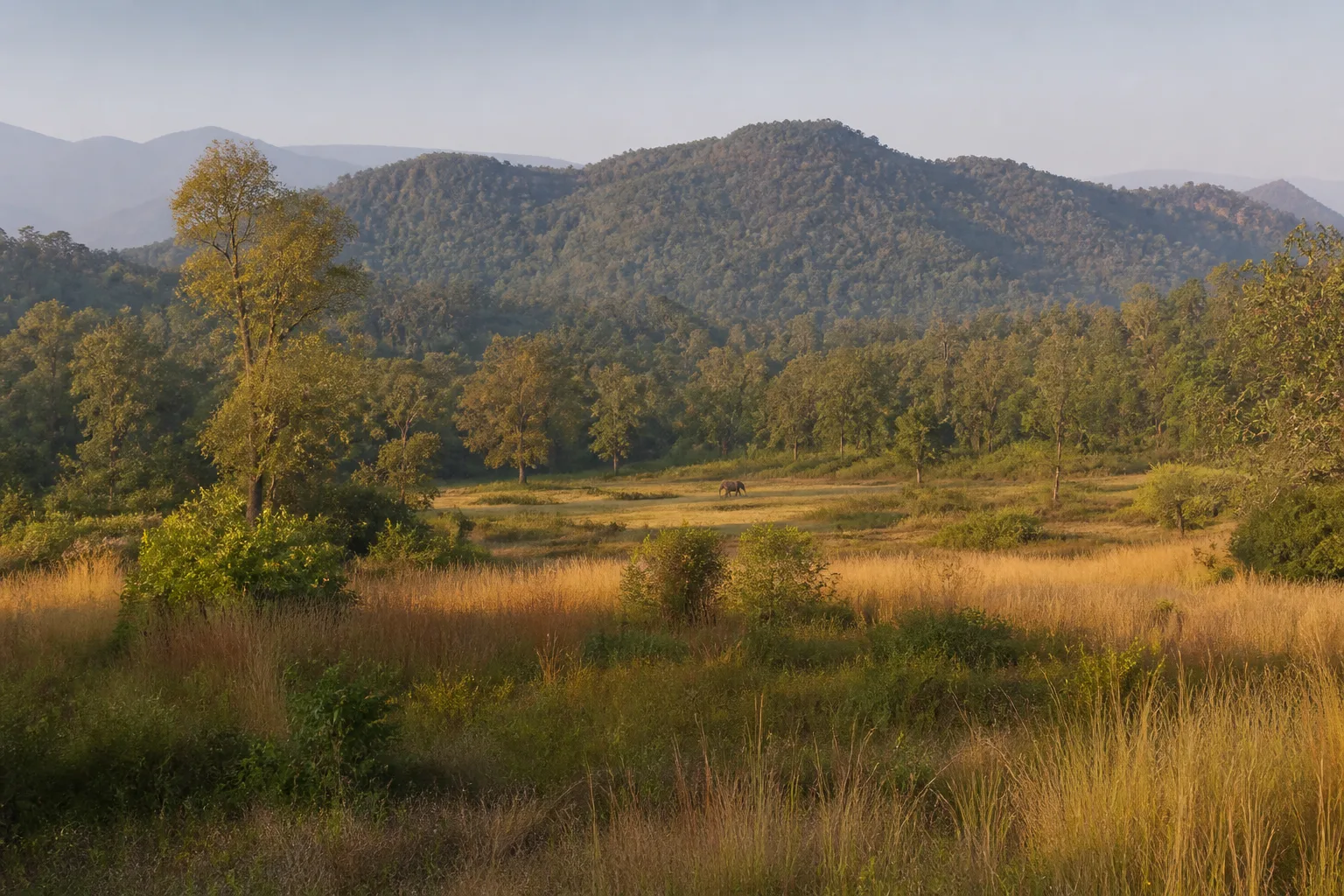
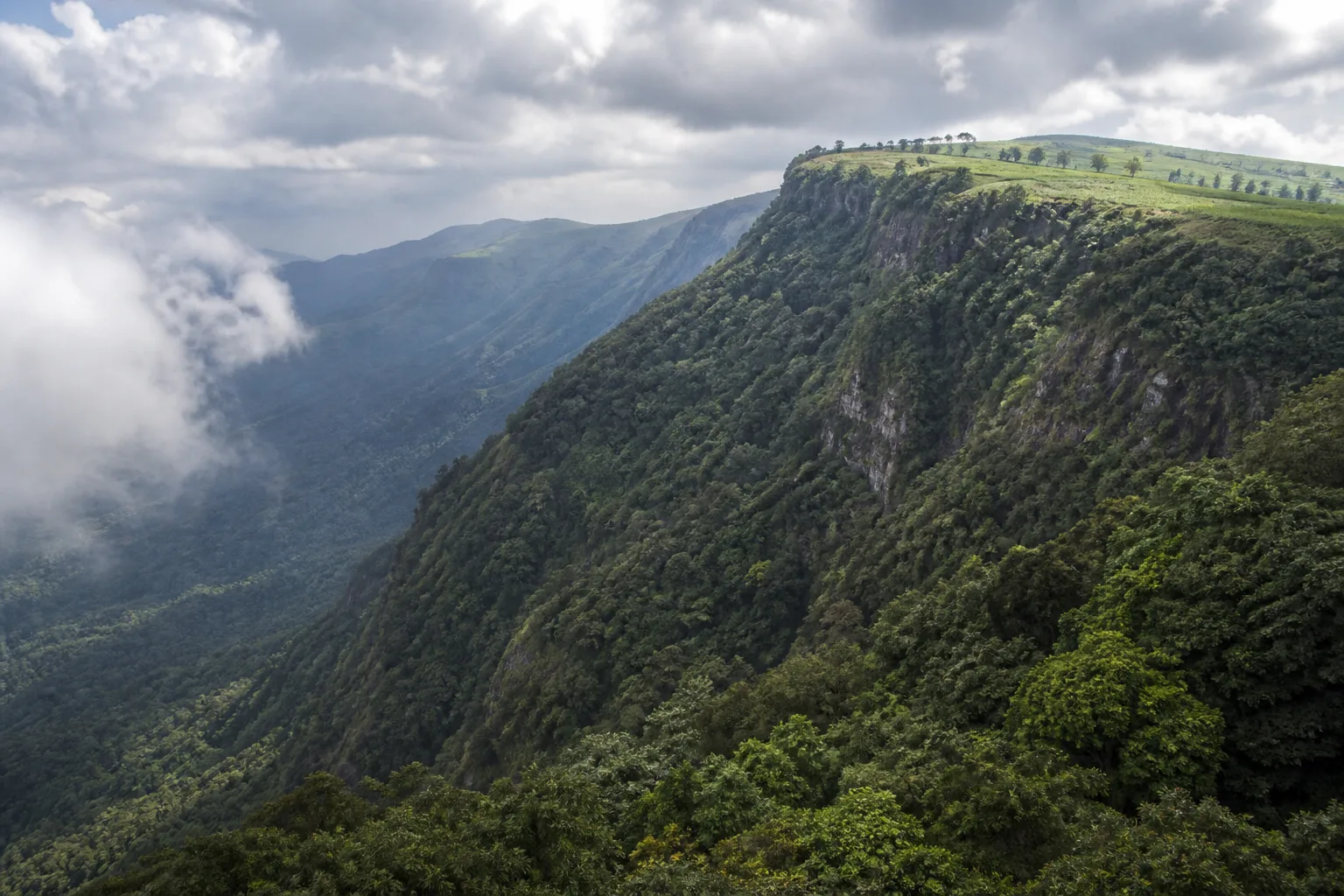
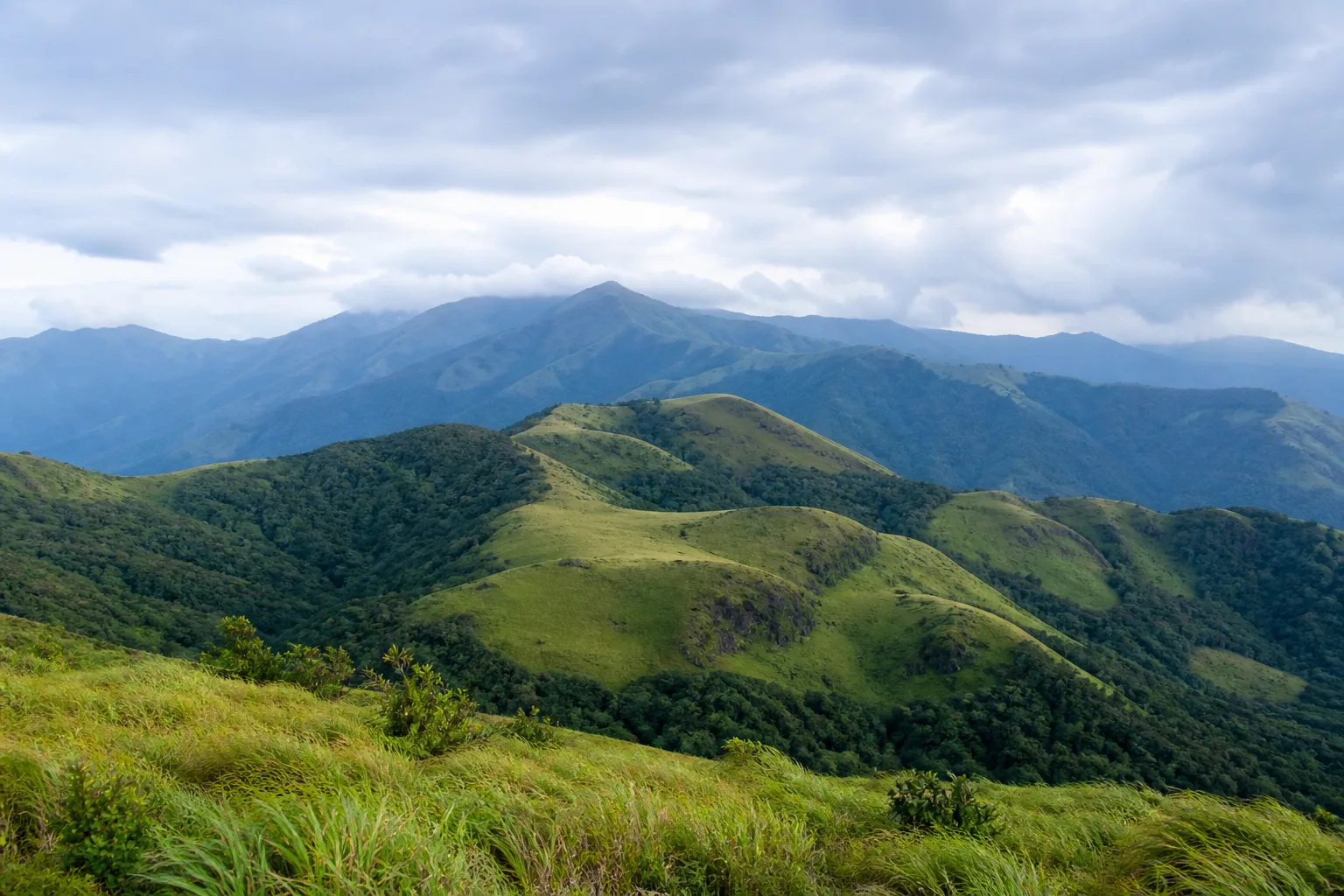
Tamil Nadu Forest Department and UNESCO sources support the presence of Asian elephant, tiger, leopard, gaur, sambar, chital and several primates in major Western Ghats landscapes.[1][4] Nilgiri tahr is associated with high-elevation grassland and rocky habitats in the Western Ghats, not with every forest.
These are representative examples, not an inventory and not a sighting list. Habitat use changes with season, disturbance and individual movement. Never ask a driver to chase an animal, surround it with vehicles or block its route.
Nature guide
Birds across forest, wetland and coast
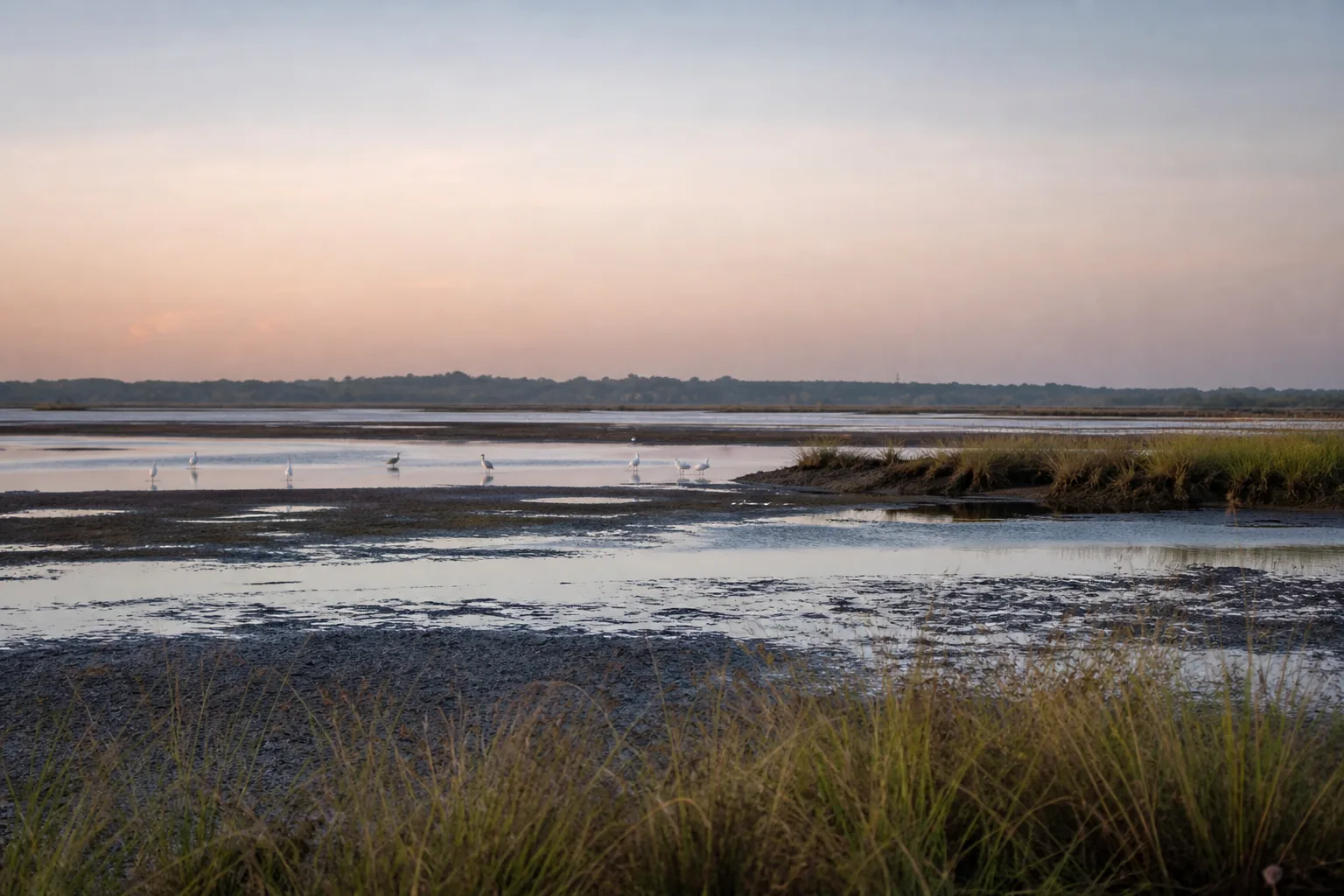
Forest canopies, grasslands, scrub, tanks, marshes, estuaries and open coast support different bird communities. Resident and migratory labels describe broad movement strategies; actual presence at a site varies with habitat and year.
Observe quietly from permitted paths, keep distance from nests and roosts, and avoid playback. Do not publish precise locations for breeding birds or other sensitive species. Binoculars and patience are better tools than approaching.
Nature guide
Marine wildlife is not an encounter product
The Gulf of Mannar includes coral, seagrass and other shallow-water habitats that support marine food webs. Official sources also document marine mammals in the wider region, but this does not justify a guaranteed encounter claim.[5]
Do not handle marine animals, touch coral, enter restricted islands or use unauthorized boats. Report stranded wildlife through responsible authorities rather than attempting a rescue without trained guidance.
Nature guide
Read protected-area names precisely
National Park, Wildlife Sanctuary, Tiger Reserve, Biosphere Reserve, Conservation Reserve and Reserve Forest describe different legal or planning frameworks. Some can overlap geographically, but one term does not substitute for another. Ramsar and UNESCO are additional international designations with their own criteria.
Mudumalai and Anamalai pages explain two tiger-reserve landscapes. The Gulf of Mannar page separates Marine National Park and Biosphere Reserve. Precise names help visitors locate the right authority and avoid misleading conservation claims.
Nature guide
Wildlife on and near roads
Public roads can pass through or beside habitat. Drive slowly enough for conditions, obey signs, stay in the vehicle where required and keep the road clear. An animal beside a road is not permission to stop in a dangerous place or create a crowd.
Never feed macaques, deer, elephants or any other wildlife. Feeding changes behaviour and can endanger both animals and people. Keep food secured and carry waste out.
Nature guide
Photography without disturbance
Use distance, longer lenses or binoculars. Do not bait, call, spotlight, touch or pursue wildlife. Keep flash and noise within current rules and do not use a drone without explicit authorization.
A photograph is not more important than an animal's movement, feeding or rest. If an animal changes direction, becomes alert or is surrounded by people, increase distance and follow ranger instructions.
Habitat context
Wildlife You May Encounter
These representative examples are supported by the sources on this page. They are not a sighting promise, and sensitive locations are intentionally omitted.
Asian elephant
Forest, grassland and movement-corridor context in major Western Ghats landscapes
May be encountered; never approach or block movementTiger
Large connected forest landscapes and tiger reserves
Presence does not imply a likely visitor sightingGaur
Forest and grassland mosaics
Observe from distance in permitted areasNilgiri tahr
High-elevation rocky grassland contexts
Not a general forest speciesWaterbirds
Tanks, marshes, estuaries and coastal wetlands
Presence varies with water and seasonSeasonal lens
Nature Through the Year
Conditions vary with rainfall and year. Use the statewide month guides for broad context, then check the responsible authority for current conditions.
Explore Tamil Nadu by Month- Landscape
- Strong seasonal interest
- Conditions
- Weather-dependent
- Planning
- Verify current access
General location only
Open a map handoff
The map opens a broad landscape or visitor destination. It does not reveal nests, dens, breeding areas, restricted islands or sensitive wildlife coordinates.
Private planning tool
Nature Trip Checklist
0 of 11 readySaved only in this browser. No login or personal data is required.
Questions
Frequently asked questions
Is visitor access guaranteed?
No. Protected areas and nature sites can close or change access rules. Check the current Forest Department, district administration or responsible site authority before travelling.
Are wildlife sightings guaranteed?
No. Wildlife is not scheduled and should never be chased. Read these guides as habitat and conservation context, then follow ranger instructions in permitted visitor areas.
Does this page show live weather or road status?
No. This is evergreen ecological and planning information. Use the India Meteorological Department and responsible local authorities for current conditions.
Can I use a drone?
Do not assume that drone use is permitted. Protected areas, coasts and other sensitive sites can have legal and operational restrictions; verify current official rules before carrying or using one.
How should I use Google Maps here?
The map handoff opens a general destination or protected-area search. It deliberately avoids nests, breeding areas, dens, restricted islands and other sensitive wildlife locations.
Where can I guarantee seeing elephants or tigers?
Nowhere. Landscapes may support these species, but sightings are never guaranteed and wildlife should not be chased.
Should I feed wildlife near roads?
No. Keep food secured, do not feed any wild animal and follow Forest Department instructions.
Media record
Images with explicit provenance
All Phase 10 visuals are project-created editorial interpretations. They support learning and layout but do not document a sighting, current habitat condition or site access.
Editorial trust
Sources & Further Reading
These are the sources actually consulted for this guide. Protected-area, UNESCO, Ramsar, species, habitat and geographic claims are cited inline. Reviewed 9 August 2026.
- Tiger ReservesTamil Nadu Forest Department · 2026Accessed 9 August 2026
- National ParksTamil Nadu Forest Department · 2026Accessed 9 August 2026
- Forests, wildlife and conservation in Tamil NaduTamil Nadu Forest Department · 2026Accessed 9 August 2026
- Nilgiri Biosphere ReserveUNESCO Man and the Biosphere Programme · 2026Accessed 9 August 2026
- Biosphere ReservesTamil Nadu Forest Department · 2026Accessed 9 August 2026
- Wetlands of Tamil NaduTamil Nadu State Wetlands Authority · 2026Accessed 9 August 2026