Wetlands first, bird lists second
Birdwatching and Wetlands in Tamil Nadu
Understand marshes, tanks, mudflats and coastal wetlands as living water systems, then observe birds quietly from permitted places.
Ecological context
Why This Landscape Matters
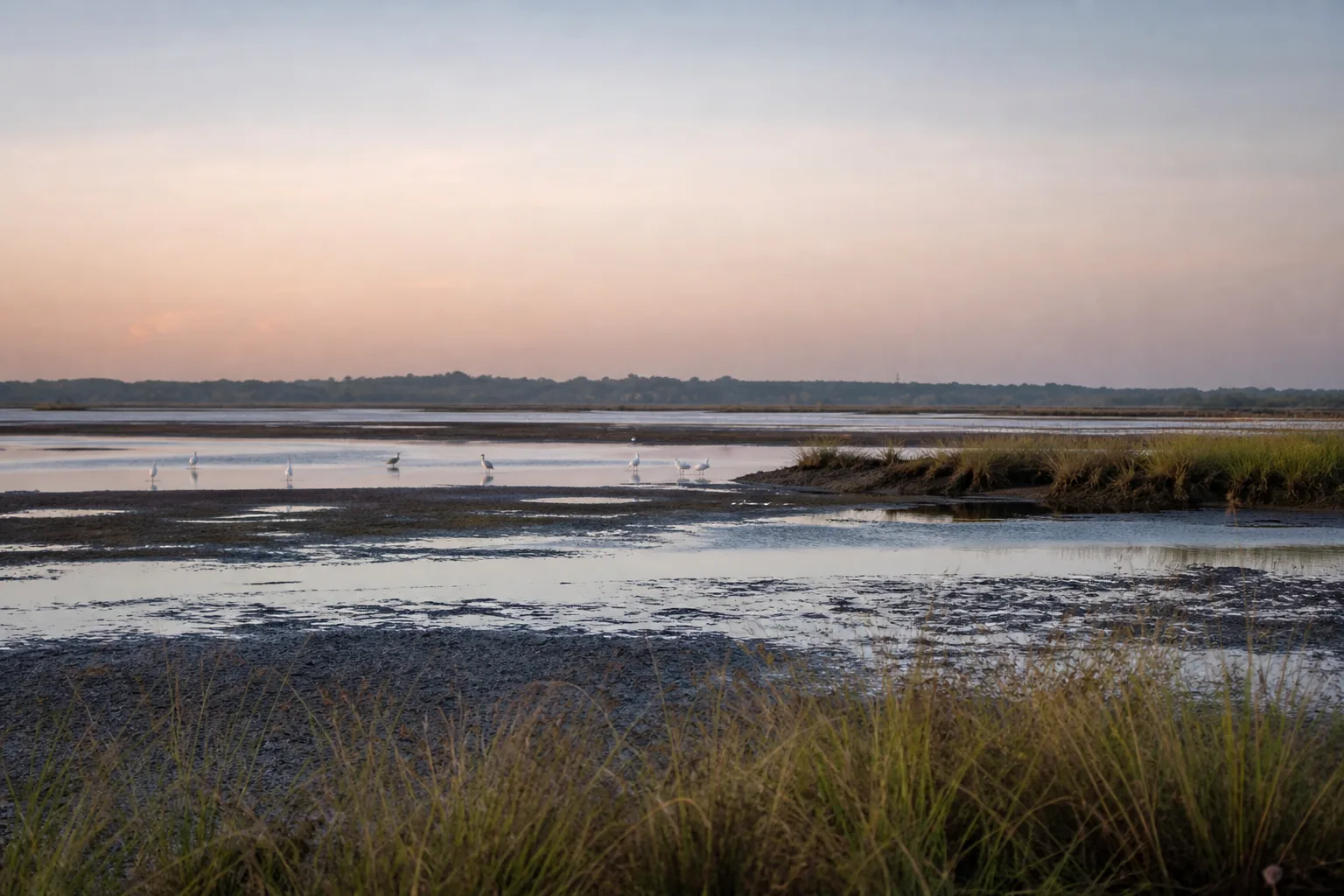
Tamil Nadu's wetlands include inland and coastal natural systems plus long-used human-shaped tanks and reservoirs. Water depth, salinity, vegetation, sediment and connection to rivers or tides determine ecological character. A dry-looking seasonal wetland can still be important; a permanent water body is not automatically richer.[1]
On this page
Nature guide
Wetlands are water systems
Tamil Nadu's wetlands include inland and coastal natural systems plus long-used human-shaped tanks and reservoirs. Water depth, salinity, vegetation, sediment and connection to rivers or tides determine ecological character. A dry-looking seasonal wetland can still be important; a permanent water body is not automatically richer.[1]
Birdwatching works best when the habitat leads the visit. Look at water edges, mudflats, open water, reeds and surrounding land without entering them. Water levels and bird presence vary with rainfall, management and year.
Nature guide
Ramsar status requires verification
A Ramsar Site is a wetland designated as internationally important under the Convention on Wetlands. It is not a generic compliment and it is not synonymous with Bird Sanctuary. Tamil Nadu's State Wetlands Authority and the Ramsar Sites Information Service provide the official names and site records.[2]
This guide uses three verified examples rather than an exhaustive current list. Readers should consult the authority's updated register because designations can be added and official names matter.
Nature guide
Vedanthangal Bird Sanctuary
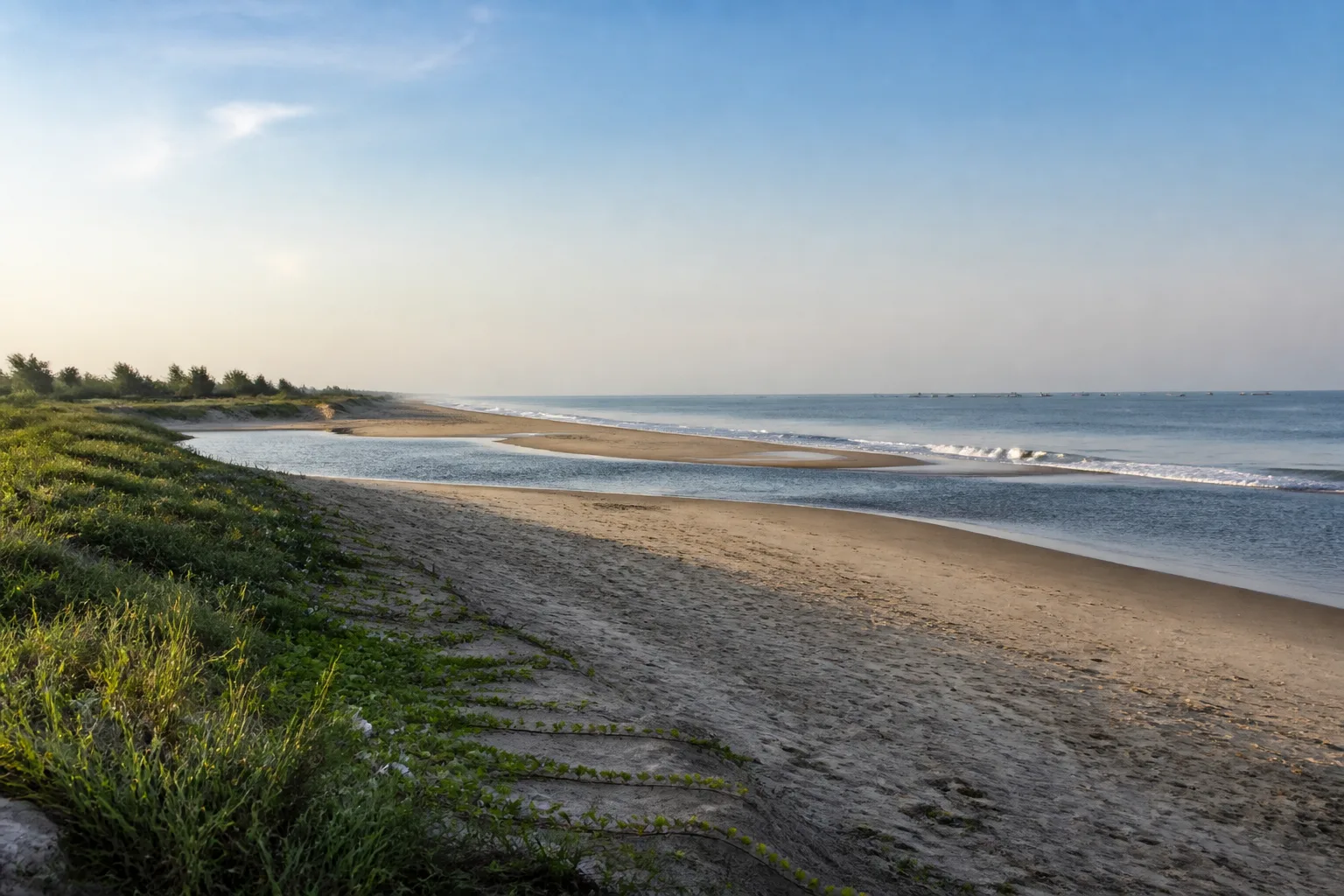
Vedanthangal Bird Sanctuary is a Ramsar Site in Chengalpattu district. The official record describes a small irrigation-tank wetland and documents its national sanctuary designation separately from Ramsar status.[3]
Bird presence changes through the year. Stay within the managed visitor area, keep voices low and do not seek nest coordinates. Current opening, water and access information belongs with the responsible authority.
Nature guide
Pallikaranai Marsh Reserve Forest
Pallikaranai Marsh Reserve Forest is a Ramsar Site within Chennai's urban region. Its official information describes freshwater and saline influences, mudflats, shallow water, emergent vegetation and an important hydrological role.[4]
Urban proximity does not make every edge public or safe. Use established viewing opportunities, respect restoration and reserve boundaries and do not enter marsh vegetation for a closer photograph.
Nature guide
Point Calimere and Kodikkarai context
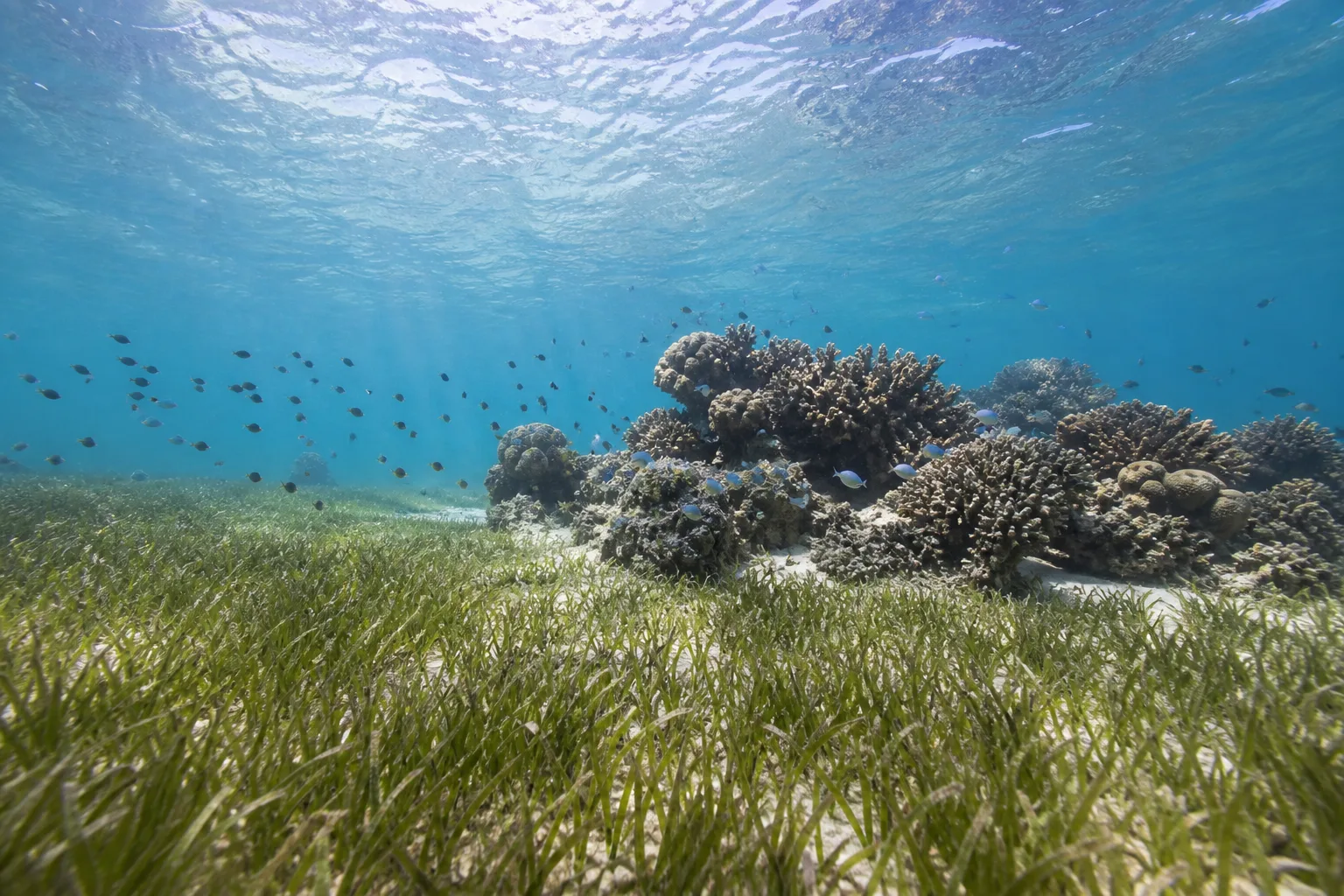
Point Calimere Wildlife and Bird Sanctuary is part of a larger coastal wetland setting that includes the Great Vedaranyam Swamp. Its Ramsar record documents a mosaic of seasonally changing waters, mudflats, salt-influenced habitats, grassland and coastal vegetation.[5]
Point Calimere is not represented by a single lagoon or bird flock. Use the official sanctuary and wetland terminology, respect restricted areas and keep community and salt-working landscapes in context.
Nature guide
Migratory and resident birds
Resident birds may use a wetland through much of the year while migratory species arrive and depart through broader movement systems. Exact dates, counts and sightings vary. Conditions vary with rainfall and year.
Use month guides to ask better questions, then check current authority information. Avoid promises such as 'thousands of birds in December' unless a responsible current survey supports that specific claim.
Nature guide
A quiet birdwatching method
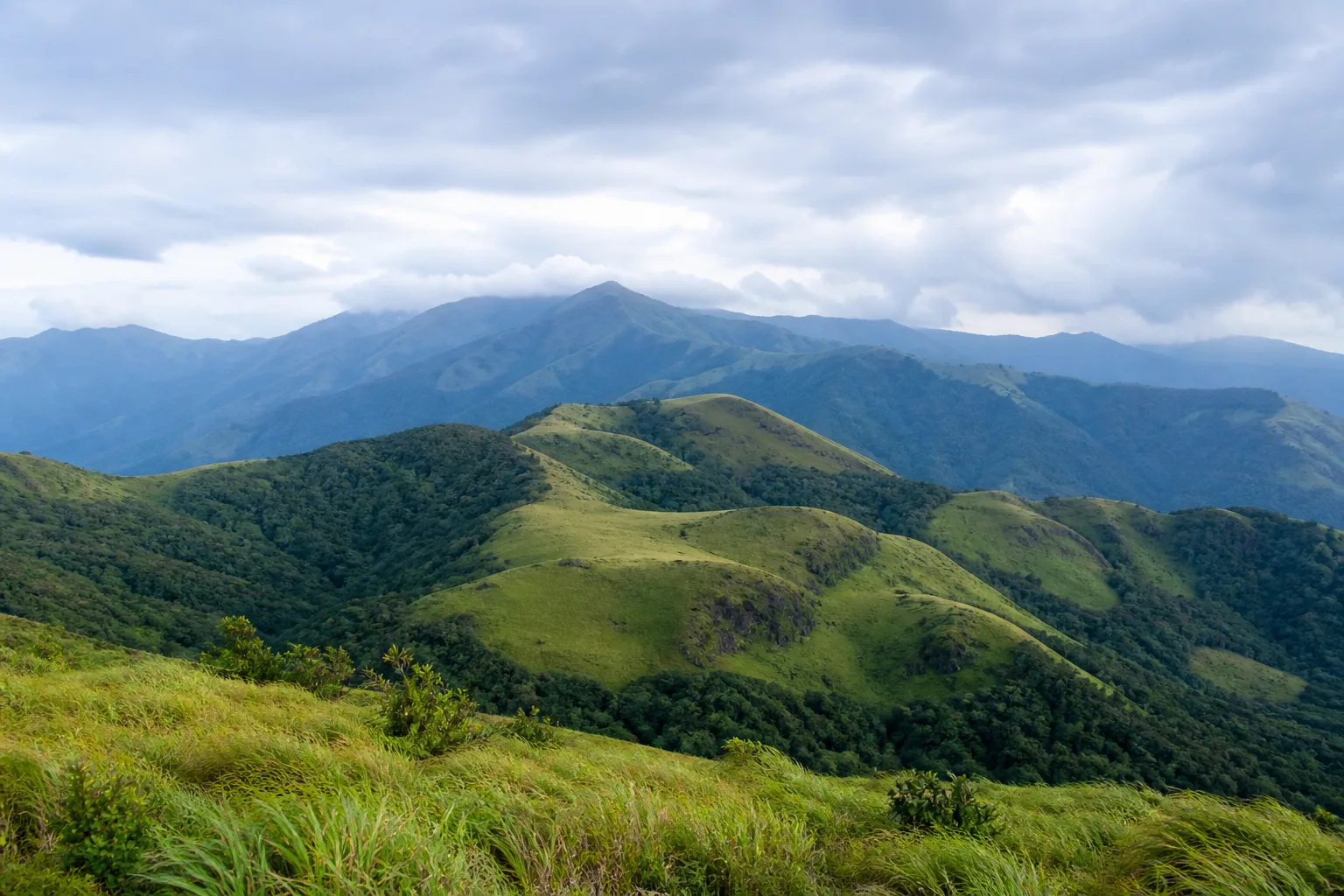
Carry binoculars, remain on permitted paths, keep distance from feeding and roosting birds, and avoid playback. Never disclose nests or breeding locations unnecessarily. Groups should gather in places that do not block paths or disturb other visitors.
Photography should not make a bird repeatedly alarm, flush or abandon feeding. Avoid flash and drones unless current rules explicitly allow them. Leave pets at home where site rules or wildlife sensitivity require it.
Habitat context
Wildlife You May Encounter
These representative examples are supported by the sources on this page. They are not a sighting promise, and sensitive locations are intentionally omitted.
Painted stork
Documented in the Vedanthangal Ramsar record
Observe only from managed visitor areasBlack-headed ibis
Documented in Vedanthangal wetland context
Do not approach feeding or nesting birdsWaders
Mudflat and shallow-water habitats
Season and water level affect presenceDarters and cormorants
Open-water and perch contexts
Use binoculars; keep distanceSeasonal lens
Nature Through the Year
Conditions vary with rainfall and year. Use the statewide month guides for broad context, then check the responsible authority for current conditions.
Explore Tamil Nadu by Month- Water levels
- Rainfall-dependent
- Bird presence
- Seasonal interest
- Planning
- Verify current access
General location only
Open a map handoff
The map opens a broad landscape or visitor destination. It does not reveal nests, dens, breeding areas, restricted islands or sensitive wildlife coordinates.
Private planning tool
Nature Trip Checklist
0 of 10 readySaved only in this browser. No login or personal data is required.
Questions
Frequently asked questions
Is visitor access guaranteed?
No. Protected areas and nature sites can close or change access rules. Check the current Forest Department, district administration or responsible site authority before travelling.
Are wildlife sightings guaranteed?
No. Wildlife is not scheduled and should never be chased. Read these guides as habitat and conservation context, then follow ranger instructions in permitted visitor areas.
Does this page show live weather or road status?
No. This is evergreen ecological and planning information. Use the India Meteorological Department and responsible local authorities for current conditions.
Can I use a drone?
Do not assume that drone use is permitted. Protected areas, coasts and other sensitive sites can have legal and operational restrictions; verify current official rules before carrying or using one.
How should I use Google Maps here?
The map handoff opens a general destination or protected-area search. It deliberately avoids nests, breeding areas, dens, restricted islands and other sensitive wildlife locations.
Are all bird sanctuaries Ramsar Sites?
No. Bird Sanctuary is a national protected-area designation; Ramsar status is a separate international wetland designation that must be checked from official records.
When do migratory birds arrive?
Timing and numbers vary by species, water, weather and year. This evergreen guide does not publish guaranteed migration dates.
Media record
Images with explicit provenance
All Phase 10 visuals are project-created editorial interpretations. They support learning and layout but do not document a sighting, current habitat condition or site access.
Editorial trust
Sources & Further Reading
These are the sources actually consulted for this guide. Protected-area, UNESCO, Ramsar, species, habitat and geographic claims are cited inline. Reviewed 9 August 2026.
- Wetlands of Tamil NaduTamil Nadu State Wetlands Authority · 2026Accessed 9 August 2026
- Ramsar Sites of Tamil NaduTamil Nadu State Wetlands Authority · 2026Accessed 9 August 2026
- Vedanthangal Bird SanctuaryRamsar Sites Information Service · 2022Accessed 9 August 2026
- Pallikaranai Marsh Reserve Forest RISRamsar Sites Information Service · 2022Accessed 9 August 2026
- Point Calimere Wildlife and Bird Sanctuary RISRamsar Sites Information Service · 2002Accessed 9 August 2026