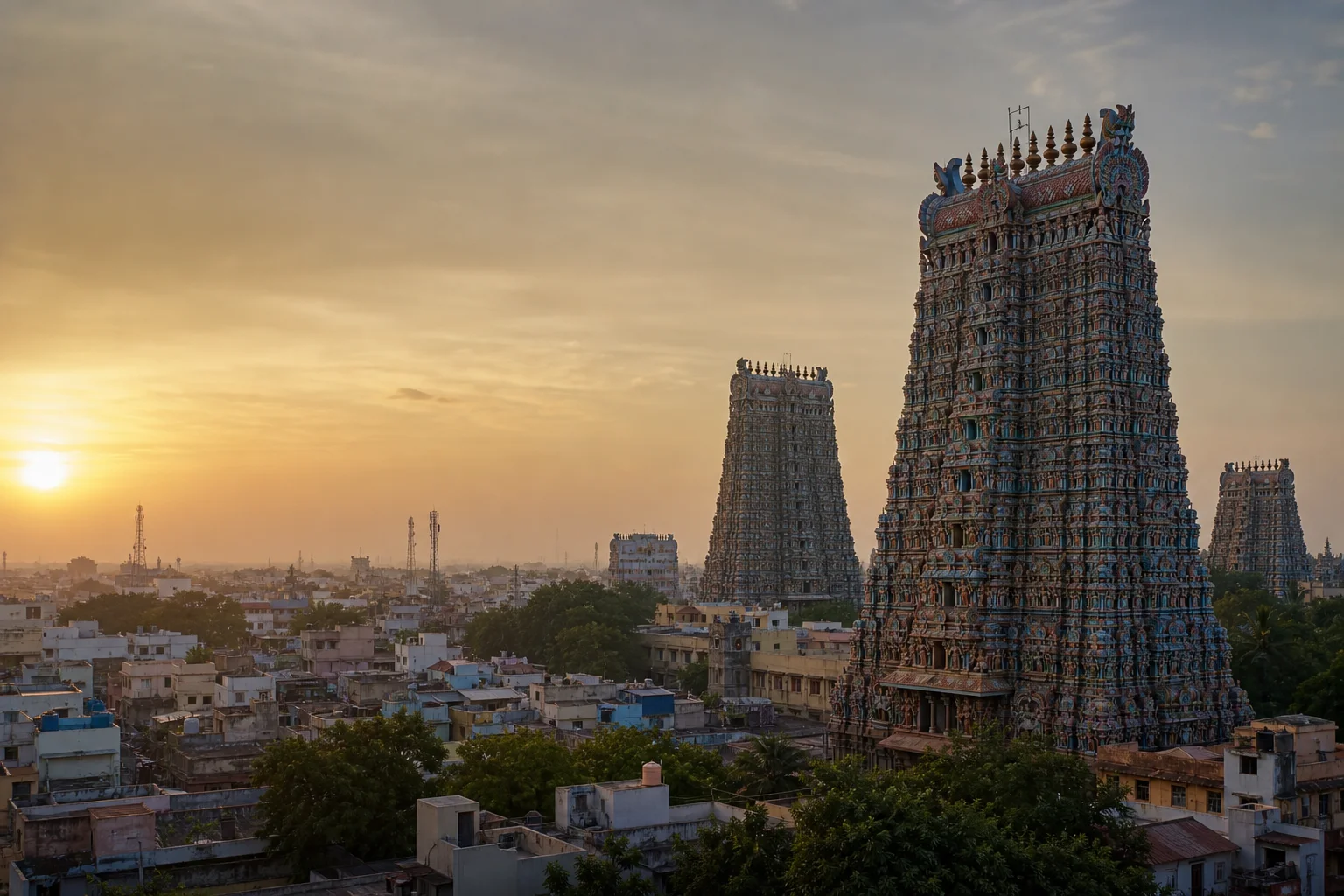
Pandya capital, living temple city and southern cultural centre
Madurai District: History, Temples, Culture and Places
Madurai district is anchored by one of Tamil Nadu's best-known historic cities, yet its identity extends into market towns, agricultural plains, rocky hill landscapes and communities with their own sacred and cultural traditions. This guide separates the modern district from the larger cultural region often called Madurai and treats the city as a starting point rather than the whole story.On this page
District overview
Understanding Madurai district
Madurai city is the district headquarters and cultural focus, but district administration also covers distinct taluks and towns across the Vaigai basin and surrounding plains.[maduraiAbout][maduraiProfile]
Places marketed under the wider Madurai region are not automatically in Madurai district. Keezhadi, for example, is in Sivaganga district and is not listed here as a Madurai district attraction.
The guide distinguishes evidence-based history from literary memory and living belief; each contributes to understanding Madurai but they are not interchangeable forms of proof.
Why it matters
Why explore Madurai?
Madurai's long urban history allows visitors to study how sacred institutions, markets, streets and political power shaped one another.[maduraiHistory]
The Meenakshi-Sundareswarar complex remains a living institution, so worship and official temple rules take precedence over sightseeing routines.[maduraiTemple]
Tirumalai Nayakkar Palace provides a different lens on seventeenth-century court culture and later conservation history.[maduraiPalace]
Beyond the centre, towns, tanks, fields, hill shrines, textile work and cattle-related rural traditions reveal a district with multiple economies and identities.
Land and water
Geography and regional identity
The Vaigai River is central to Madurai's settlement history, water systems and cultural imagination, but present flow and river conditions vary and are not described as permanent.
The district includes plains, tanks, cultivated landscapes and isolated rocky hills that support temples, scrub habitat and archaeological interest.
Urban Madurai, the Melur side, western Usilampatti country and southern Thirumangalam routes have different settlement patterns and transport needs.
Heat exposure can be significant in streets, palace courtyards and rocky sites; exact forecasts belong to IMD, not evergreen district copy.[imd]
Evidence and change
Historical overview
Madurai is closely associated with Tamil literary traditions and the Pandya polity. Claims about the Sangams combine literary, cultural and historical inquiry and should be presented with scholarly care rather than as a single settled event.[maduraiHistory]
Pandya power gave the city a major role in southern Tamilakam, while later conflict and political change introduced Sultanate, Vijayanagara and Nayak phases.
The Nayaks reshaped major sacred and civic spaces; Tirumalai Nayakkar Palace survives as a state-protected archaeological monument with a complex afterlife.[maduraiPalace]
Colonial administration, railways, trade and twentieth-century politics changed the city's scale and institutions, while the modern district's boundaries continued to evolve.
Historic Madurai should therefore be read through inscriptions, archaeology, architecture, texts and living memory together, with uncertainty stated where sources disagree.
Continue with Tamil Nadu history →Within the district
Cities, towns and local centres
These are district contexts, not newly created destination pages.Madurai
Temple city, administrative centre, market hub and the principal rail and road gateway.
Melur
A market and agricultural centre linking villages and rocky landscapes east of the city.
Thirumangalam
Road connections, commerce and surrounding agricultural settlements shape its district role.
Usilampatti
A distinct market and service centre for the western part of the district.
Sholavandan
Agriculture and river-basin settlement provide a quieter counterpoint to central Madurai.
Alanganallur and Avaniyapuram
Places associated with jallikattu traditions; event access, dates and safety arrangements must be verified annually.
Living and protected places
Temples and spiritual places
Meenakshi Sundareswarar Temple
A major living temple at the centre of Madurai's sacred and urban geography; use the official administration for current rules.
Open full guideKoodal Azhagar Temple
A living Vaishnava temple in the old city whose worship context leads interpretation.
Tirupparankundram
A major Murugan hill-temple landscape within the district; access and ritual arrangements are current matters.
Azhagar Kovil
A sacred and hill-edge setting north-east of the city; temple and forest-edge conditions require separate checks.
Pazhamudircholai context
Pilgrimage and hill ecology overlap; no wildlife or road-access promise is made.
Interpret carefully
Heritage and architecture
Tirumalai Nayakkar Palace
Court architecture, later alteration and conservation make the palace a layered state archaeology site.
Temple-city streets
Processional routes, markets, water structures and neighbourhood institutions form heritage beyond individual monuments.
Gandhi Memorial Museum context
A public institution for modern history; exhibitions and opening information require direct verification.
Rocky sacred landscapes
Hills around the city hold inscriptions, shrines and habitat; protected surfaces must never be touched or traced.
Living knowledge
Culture, food and regional products
Culture and festivals
Madurai culture is carried through temple ritual, markets, Tamil scholarship, theatre, music, neighbourhood associations and rural traditions rather than one festival calendar.
Jallikattu is strongly associated with parts of the district, but it is a regulated live event involving people and animals. This guide supplies no date, viewing promise or informal access advice.
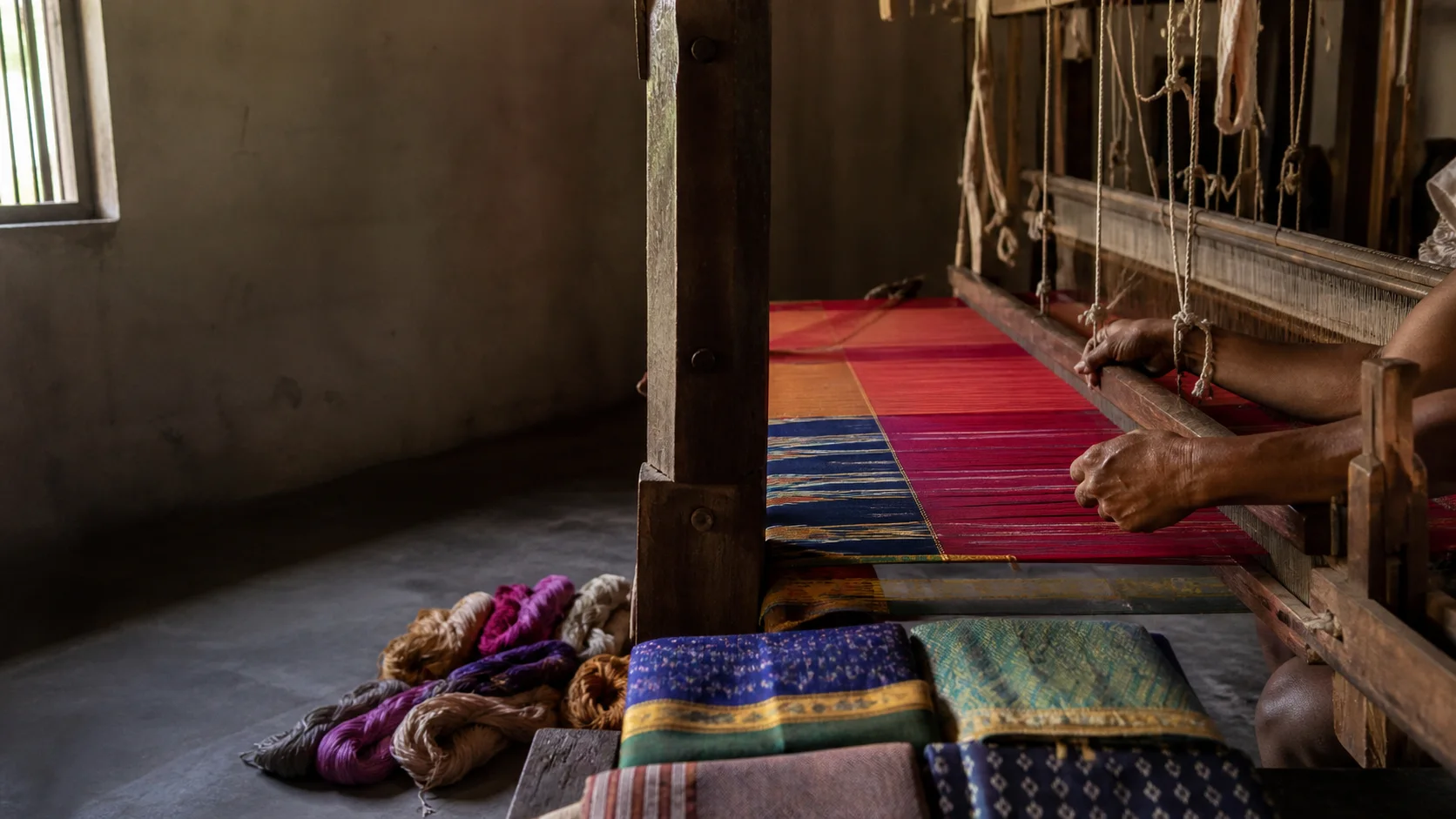
Sungudi textile knowledge connects dyeing, pattern, labour and trade. Visitors should distinguish verified craft practice from generic printed fabric.
Public festivals can reroute streets and change temple access; annual official notices remain essential.
Food and cuisine
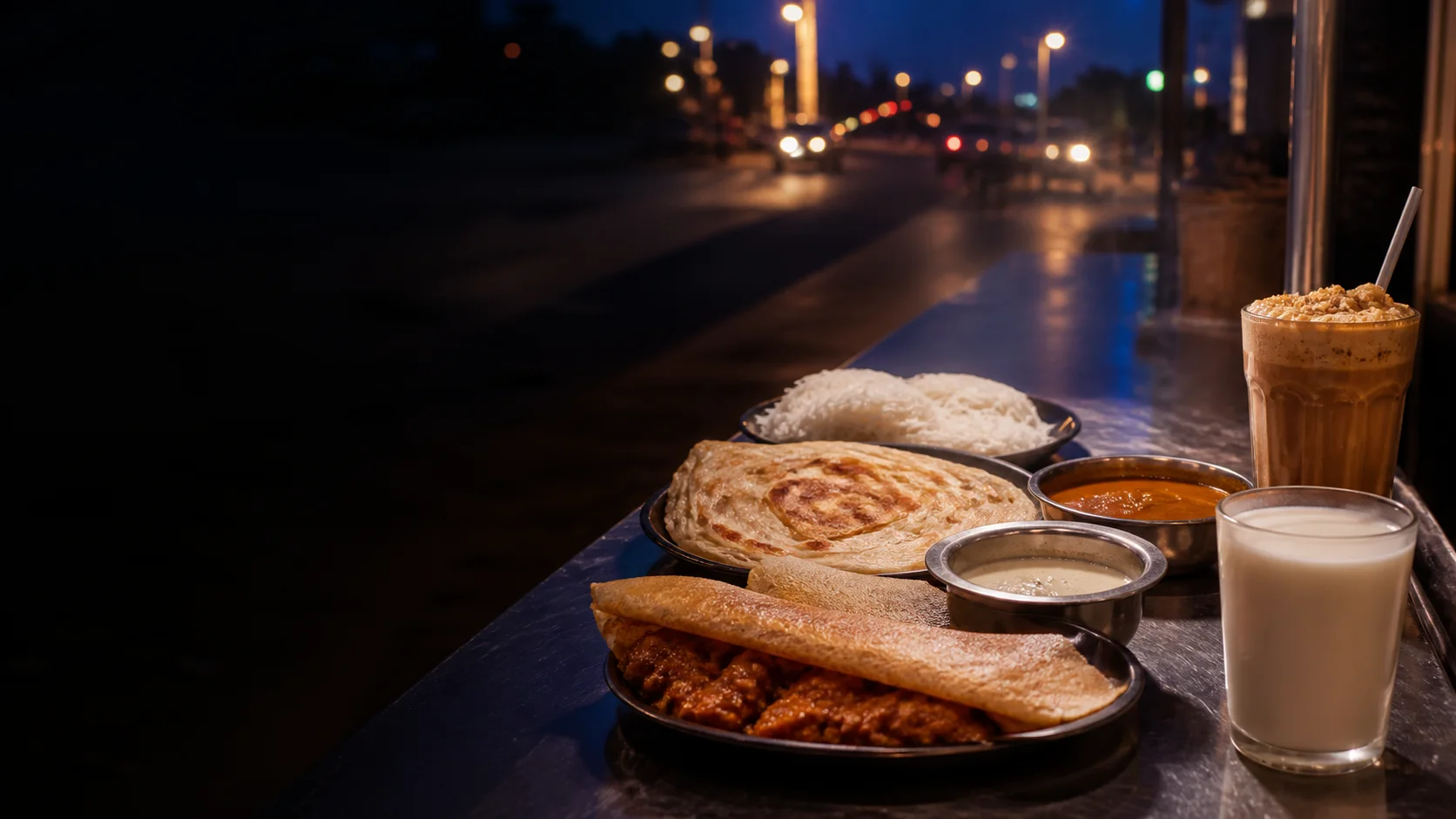
Madurai's food reputation includes meal traditions, tiffin, drinks, sweets and late-hour urban dining, but the guide does not claim every named preparation originated in the district.
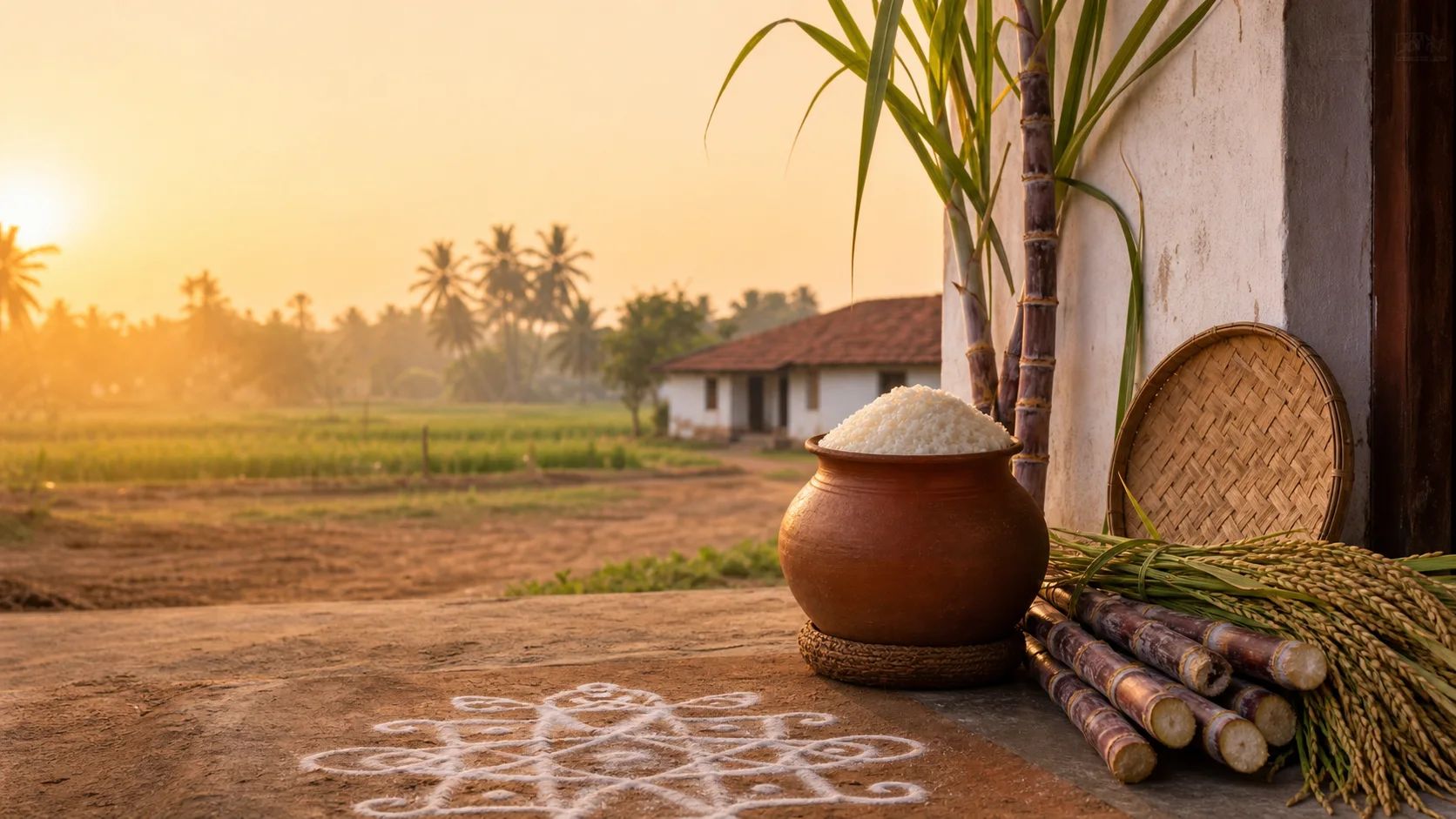
Rural food patterns reflect millets, pulses, livestock, seasonal produce and household practice, while the city also supports large restaurant and market economies.
Hygiene, ingredients, opening hours and dietary suitability must be checked at the point of purchase; no business is endorsed in evergreen content.
Use the dedicated regional food guide to understand context rather than treating a checklist of dishes as proof of authenticity.
Making and provenance
Regional products and crafts
Madurai Sungudi is recorded in the official GI register. A GI name identifies a protected regional product category, not automatic proof that every similarly labelled item is authentic.[giRegistered]
Textile buyers should ask about process, maker, material, dye and seller documentation instead of relying on visual pattern alone.
Jasmine is culturally and commercially associated with the wider Madurai area, but this page makes no current production or market-volume claim.
Metal, flower, food and household markets support many livelihoods that should not be reduced to souvenirs.
Landscape first
Nature and wildlife
The Vaigai basin, tanks, fields, scrub and rocky hills are ecological as well as cultural landscapes.
Hill-temple roads and forest-edge areas may have access, waste and wildlife rules; visitors should follow the Forest Department and local authorities.[forest]
Water presence, flowering, agricultural appearance and animal sightings depend on actual conditions and are never guaranteed.
Urban heat, rain and drainage can alter a walking plan quickly, so the district itinerary should remain adjustable.
Work and change
Economy and livelihoods
Administration, education, healthcare, trade, manufacturing, transport, tourism and food services are concentrated in the city.
Agriculture, livestock, small industry, markets and services shape the district outside the corporation.
Pilgrimage and visitor economies depend on living institutions and residents; responsible planning reduces congestion and intrusive photography.
Fast-changing output, employment and visitor numbers are deliberately omitted unless a future live-data layer can maintain them.
Build a coherent route
Places to explore in Madurai
Meenakshi temple and old-city context
Study worship, streets and markets together through the existing full guide.
Tirumalai Nayakkar Palace
Compare court architecture with later repair and reuse.
Tirupparankundram
Plan around current temple and traffic conditions.
Azhagar Kovil
Respect temple practice and hill-edge controls.
Madurai markets
Observe trade with consent and avoid obstructing work.
Vaigai and tank landscapes
Read water management without assuming recreational access.
Melur and eastern district
Use public routes to understand settlement beyond the city.
Sholavandan and western routes
Allow separate travel time and do not enter fields without permission.
Choose your pace
Things to do
Walk one old-city cluster
Connect temple, streets, markets and water rather than racing between pins.
Compare Pandya and Nayak layers
Use architecture and reliable history guides to separate periods.
Visit a museum or palace
Balance sacred heritage with modern and court history.
Learn Sungudi provenance
Ask about making process and GI use before buying.
Taste with context
Understand ingredients and regional variation instead of chasing a fixed list.
Explore one district town
Set aside a route beyond central Madurai.
Treat jallikattu as a regulated event
Use only official annual safety and access information.
Read the Vaigai landscape
Observe settlement and water infrastructure from permitted public areas.
Conditions, not promises
Best season and current checks
Madurai is generally suited to early starts and shaded breaks during hot conditions, but only a current forecast can guide a specific day.
Rain can alter roads, river appearance and outdoor access. Consult IMD warnings and district notices before travel.[imd][warnings]
Festival seasons and regulated events can transform crowd and traffic patterns; no annual date is stored on this page.
A good district plan is built around conditions and interests, not a promise that one month always looks or feels the same.
Plan by days
Suggested duration
1 day
Use one coherent Madurai city cluster: temple-city history, palace or museum, and food context.
2 days
Add a hill-temple route or one district-town and landscape theme.
3 days+
Slow the city study and include eastern, western or rural contexts without treating the wider region as one district.
Regional access
How to reach
Rail
Madurai is a major rail gateway; current trains and station information belong to Indian Railways.
Road
Regional roads connect all district directions, but live traffic and journey times are not hardcoded.
Air
Madurai airport serves the region; check the airport and airline directly for current operations.
Local movement
Getting around
Old-city walking is practical in selected clusters, while hill temples and district towns require separate transport.
Autos, buses, taxis and private vehicles have different trade-offs; fares, schedules and availability need current checking.
Build margins around worship, heat, crowds and road conditions instead of stacking distant places into one day.
Place-name links
Map of Madurai district
No fabricated coordinates or heavy map embed are used.Map data is not embedded on this lightweight page. Open a place-name search in Google Maps for current roads, business details and directions.
Continue geographically
Nearby districts
Continue by subject
Related My Tamil Nadu guides
Practical planning
Save a district checklist
Saved only in this browser. No login or personal data is needed.
Questions
Frequently asked questions about Madurai
Is Madurai district the same as Madurai city?
No. The city is the headquarters and largest centre within a wider district of towns and rural landscapes.
Is Keezhadi in Madurai district?
No. Keezhadi is in neighbouring Sivaganga district.
Are Meenakshi temple timings provided?
No. Use the official HR&CE temple source for current worship and visitor information.
Is Madurai Sungudi a registered GI?
Yes. The official GI register lists Madurai Sungudi, but individual product authenticity still needs evidence.
Can I plan around jallikattu here?
Only with current government event, safety and access information; this page gives no annual schedule.
How long should I stay?
One day introduces a city cluster; two or more days let you include a hill, town or rural district context.
Does the page recommend restaurants?
No. It provides regional food context without inventing current business information.
Editorial trust
Sources and further reading
Major factual claims were checked against authoritative references. Last reviewed 9 August 2026.- About Madurai districtMadurai District Administration · Official district profileReviewed 9 August 2026
- District profileMadurai District Administration · Official administrative recordReviewed 9 August 2026
- History of MaduraiMadurai District Administration · Official district historyReviewed 9 August 2026
- Tourist placesMadurai District Administration · Official district visitor recordReviewed 9 August 2026
- Tirumalai Nayakkar PalaceTamil Nadu State Department of Archaeology · State archaeology authorityReviewed 9 August 2026
- Arulmigu Meenakshi Sundaraswarar TempleTamil Nadu HR&CE Department · Official temple administrationReviewed 9 August 2026
- Registered Geographical Indications in IndiaIntellectual Property India · Official GI registerReviewed 9 August 2026
- Forest and wildlife informationTamil Nadu Forest Department · State governmentReviewed 9 August 2026
- Regional Meteorological Centre ChennaiIndia Meteorological Department · Official weather authorityReviewed 9 August 2026
- Tamil Nadu and Puducherry warningsIndia Meteorological Department · Official warning serviceReviewed 9 August 2026
- National Train Enquiry SystemIndian Railways · Official transportReviewed 9 August 2026