Sivaganga history, Karaikudi and the Chettinad cultural region
Sivaganga District: History, Places and Travel Guide
Sivaganga district brings together the Sivaganga kingdom and Maruthu Pandiyar histories, Karaikudi's institutions, Chettinad's Nagarathar settlements, dry-zone tank landscapes and living temple towns. Chettinad is not a synonym for the district, and Karaikudi is not the whole of Chettinad.On this page
District overview
Understanding Sivaganga district
The district administration uses Sivaganga as its English district name. Official records describe a district formed from the former Ramanathapuram unit and bounded by Pudukkottai, Tiruchirappalli, Ramanathapuram, Virudhunagar and Madurai.[sivagangaAbout]
Chettinad is a cultural and historical region of Nagarathar settlements. Many prominent Chettinad towns are in Sivaganga district, but the terms are not administratively identical.
Why it matters
Why explore Sivaganga?
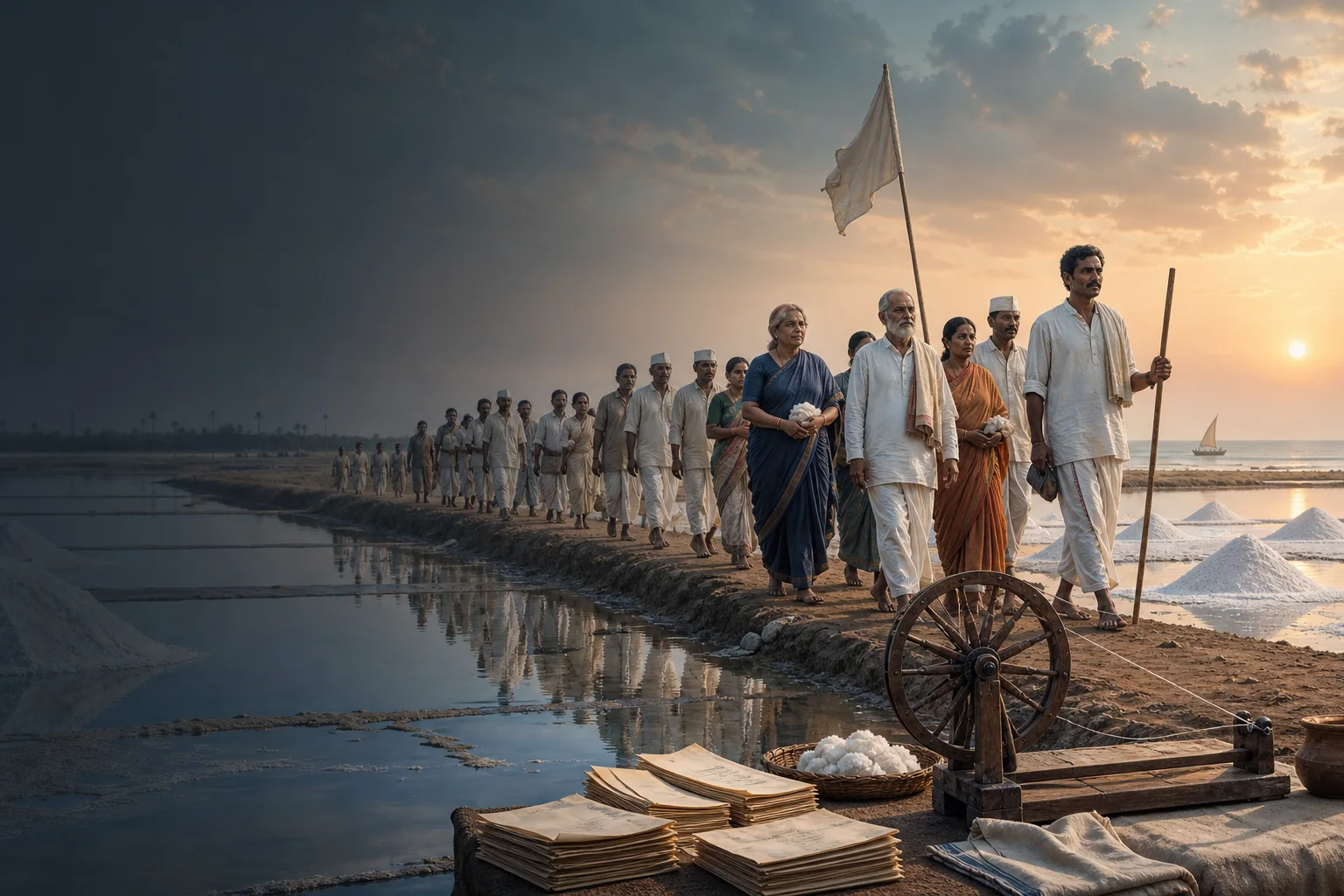
The district is central to the histories of Velu Nachiyar and the Maruthu brothers, which must be read through regional power, alliances and anti-colonial resistance rather than isolated legend.[sivagangaHistory]
Chettinad mansions reveal overseas trade, material circulation, household organization, ritual and modern conservation challenges.
Tank systems and dry-zone settlement planning are as important as palatial facades.
Land and water
Geography and regional identity
Sivaganga is largely a dry plain with red and clay soils, tanks and low hillocks; the Vaigai passes through part of the district.[sivagangaAbout]
Water harvesting and settlement tanks helped shape villages and Chettinad house systems.
The district's dry appearance should not be confused with emptiness: cultivated land, grazing, sacred groves and town networks form a worked landscape.
Evidence and change
Historical overview
The Sivaganga kingdom and later estate developed within shifting relations among regional rulers, the Arcot Nawab, Mysore and the East India Company.
Velu Nachiyar and the Maruthu brothers belong to a connected political history involving exile, alliance, return and resistance. Precise events should follow documentary sources.[sivagangaHistory]
Nagarathar commercial networks extended across South and Southeast Asia. Wealth, credit, philanthropy and imported materials shaped institutions and houses, but no single overseas source explains every design feature.
Colonial and post-colonial change transformed estates, commerce, education and the maintenance of large houses.
Continue with Tamil Nadu history →Within the district
Cities, towns and local centres
These are district contexts, not newly created destination pages.Sivaganga
Palace, memorial and civic contexts anchor the political history.
Karaikudi
A major gateway to Chettinad, but not a synonym for the region.
Devakottai
Mansions, streets and institutions reflect Nagarathar histories.
Kanadukathan
Large houses and water systems require permission-aware exploration.
Manamadurai
A distinct town connecting the district to Madurai and Ramanathapuram routes.
Living and protected places
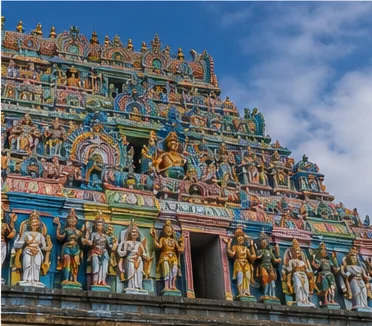
Temples and spiritual places
Pillayarpatti Karpaga Vinayagar Temple
A major living rock-cut and built temple context; verify worship arrangements.
Kundrakudi temple context
A hill temple and settlement landscape requiring current access checks.
Kalayarkoil
A sacred and historical complex connected to Sivaganga political memory.
Interpret carefully
Heritage and architecture
Chettinad mansions
Private, institutional and hospitality properties have different access; exterior viewing never grants entry.
Sivaganga palace context
Use documented court and memorial history rather than staged royal nostalgia.
Athangudi
Tile-making and settlement heritage should foreground makers and process.
Tank and street systems
Water, courtyards and urban form explain more than ornament alone.
Living knowledge
Culture, food and regional products
Culture and festivals
Nagarathar institutions, kinship, temples, philanthropy and life-cycle ceremonies are important to Chettinad identity.
The district also includes communities and traditions outside Nagarathar Chettinad; they must not disappear behind the best-known brand.
Private ceremonies and homes require consent, and festival dates change annually.
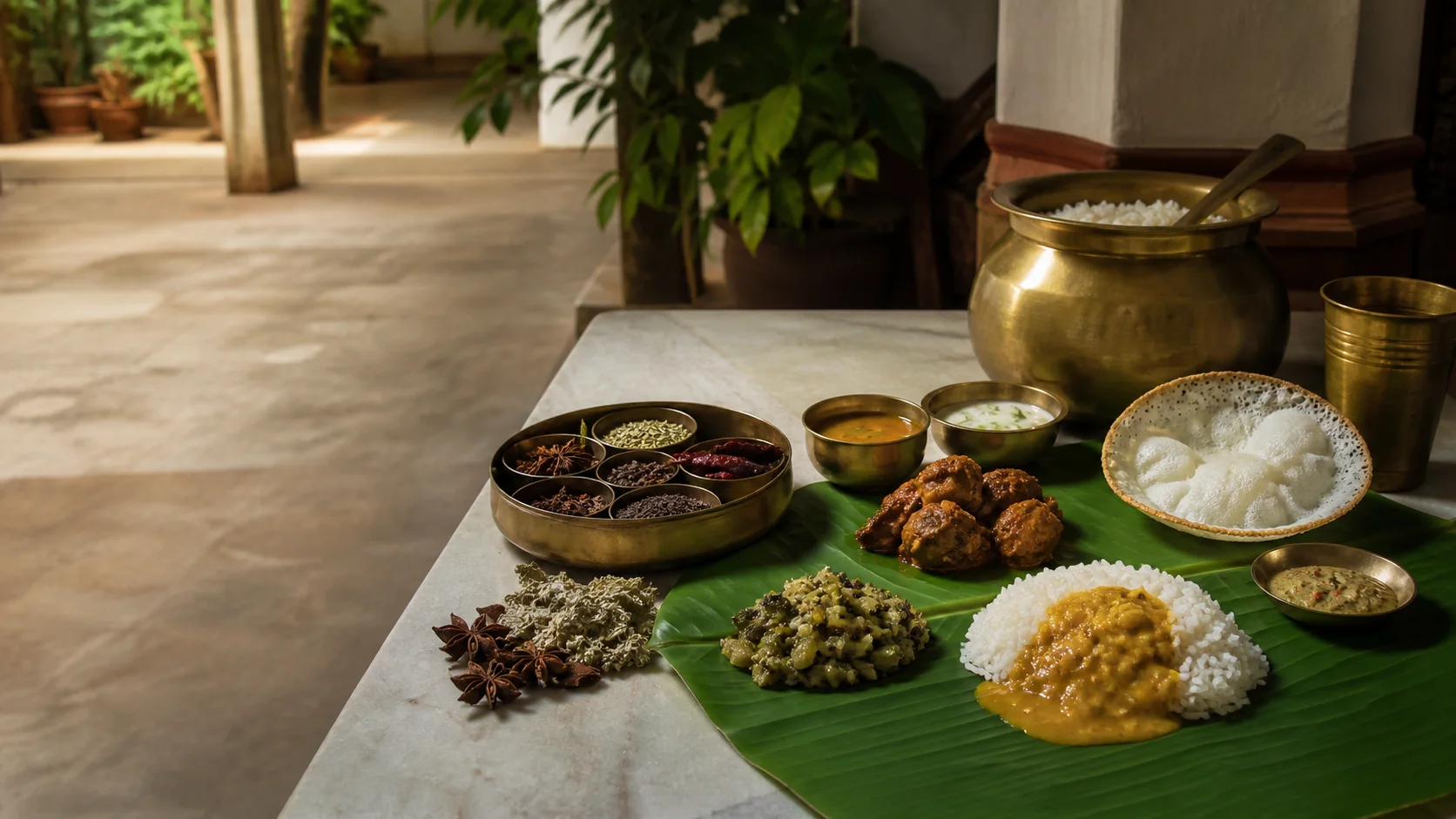
Food and cuisine
Chettinad cuisine includes extensive vegetarian, ceremonial and everyday repertoires alongside well-known non-vegetarian dishes.
It is not defined simply by chilli heat; roasting, grinding, souring, aromatics and household organization matter.
Restaurant-labelled Chettinad food elsewhere may differ from household and regional practice.
Making and provenance
Regional products and crafts
Athangudi tiles and other material traditions should be explained through makers, materials and workshop conditions.
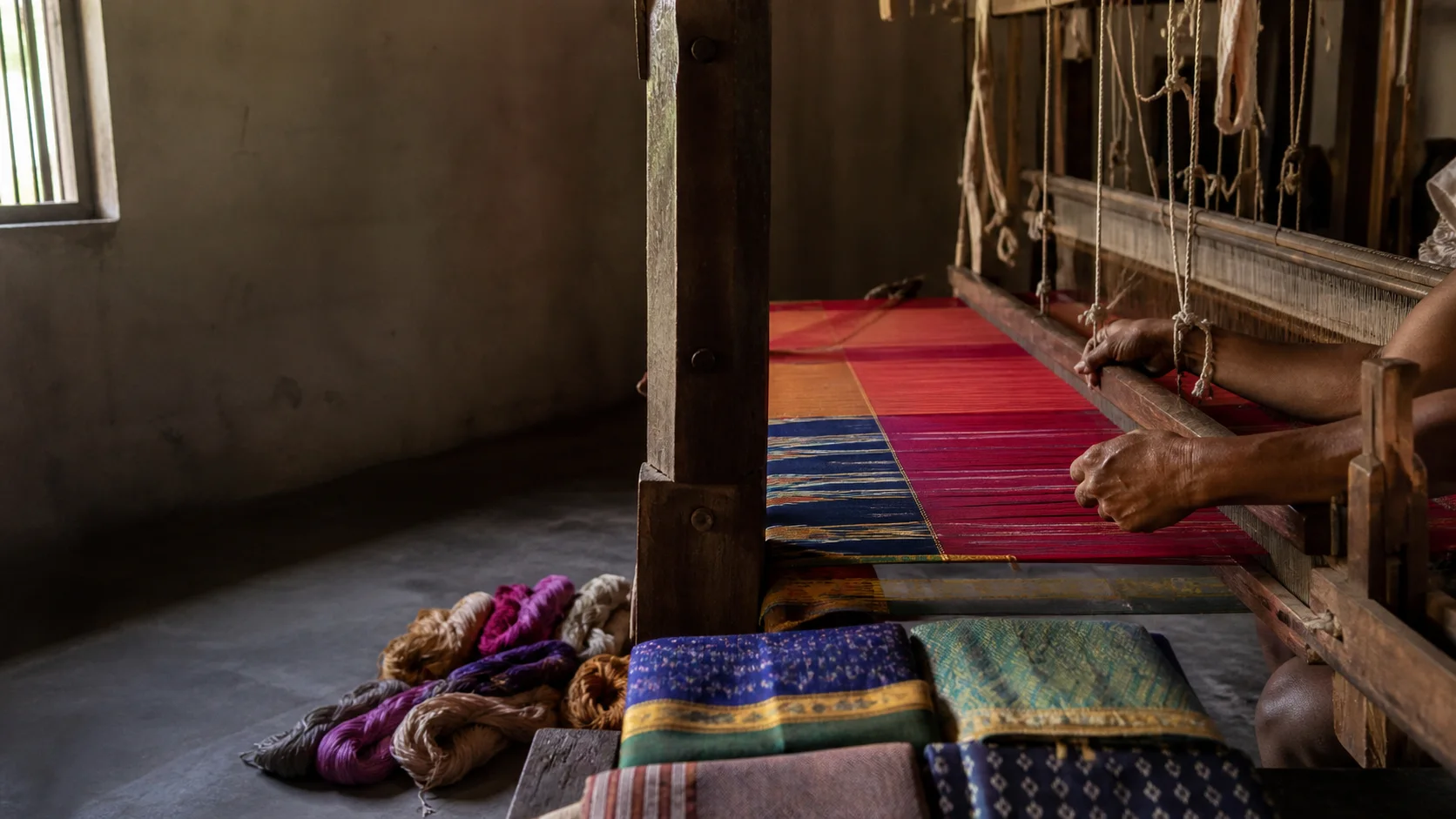
Kandangi Saree is listed in the official GI register; registration should be cited rather than inferred from a shop label.[gi8b]
Antique removal and unverified architectural salvage are not responsible forms of heritage consumption.
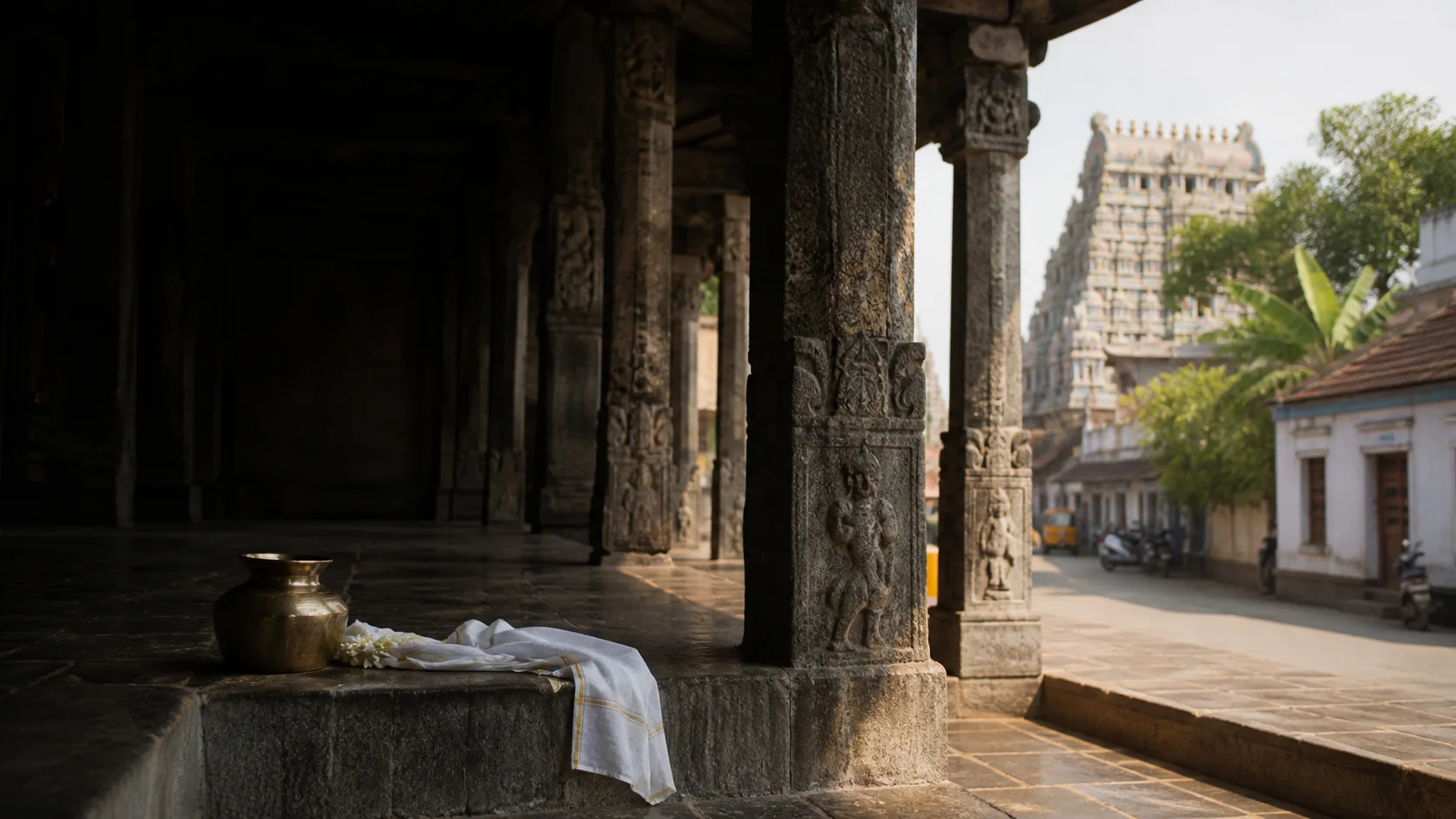
Landscape first
Nature and wildlife
Low hillocks, tanks, fields and dry woodland form the district's environmental context.
Sacred groves and water bodies are not automatically public recreation areas.
Heat and water availability can make short heritage walks demanding.
Work and change
Economy and livelihoods
Trade, education, services, agriculture, small industry and heritage hospitality shape the district.
Historic banking and mercantile networks should not be converted into current wealth rankings.
Tile, textile and food livelihoods require maker-centred interpretation.
Build a coherent route
Places to explore in Sivaganga
Sivaganga
Connect palace and memorial sites to the district's wider evidence.
Karaikudi
Use the town as a base without equating it with the whole region.
Kanadukathan
Respect private property and photography consent.
Athangudi
Seek workshops that welcome visitors.
Pillayarpatti
Plan around worship rather than treating the site as a photo stop.
Kalayarkoil
Link architecture to Maruthu-era memory carefully.
Choose your pace
Things to do
Read a mansion beyond decoration
Look at climate, courtyards, water, household organization and trade materials.
Follow resistance history
Connect Sivaganga, Kalayarkoil and regional alliances.
Taste a broad cuisine
Include vegetarian, snack and household traditions.
Buy with provenance
Ask who made tiles, textiles or food and where.
Conditions, not promises
Best season and current checks
Dry heat can dominate street exploration; rain can affect smaller roads and heritage structures.
Private-house and workshop access depends on owners, not the season.
This evergreen guide does not publish a forecast, waterfall-flow status, sea condition, forest opening, festival date or crowd prediction. Check the linked authorities close to travel.[imd8b]
Plan by days
Suggested duration
One day
Choose Karaikudi plus one accessible settlement or Sivaganga history cluster.
Two days
Use one day for Chettinad settlements and one for Sivaganga-Kalayarkoil or temple contexts.
Three or more days
Add Devakottai, Manamadurai or craft visits without turning private houses into a checklist.
Regional access
How to reach
By rail
Karaikudi, Sivaganga and Manamadurai rail options suit different routes; check current service.
By road
Road links connect Madurai, Tiruchirappalli, Pudukkottai and Ramanathapuram.
By air
Confirm the practical regional airport and onward transport.
Local movement
Getting around
Hired vehicles can connect dispersed settlements, while walking suits individual streets. Obtain permission before entering or photographing homes.
Place-name map links support orientation only. Confirm the actual route, last-mile transport, parking, accessibility and return options locally.
Place-name links
Map of Sivaganga district
No fabricated coordinates or heavy map embed are used.Map data is not embedded on this lightweight page. Open a place-name search in Google Maps for current roads, business details and directions.
Continue geographically
Nearby districts
Continue by subject
Related My Tamil Nadu guides
Practical planning
Save a district checklist
Saved only in this browser. No login or personal data is needed.
Questions
Frequently asked questions about Sivaganga
Is Sivaganga district the same as Sivaganga city?
No. Sivaganga is the district and headquarters; Karaikudi is its largest cultural and commercial centre, while Chettinad is a cultural region rather than a district.
How many days are useful for Sivaganga?
Two days gives a focused introduction; three or more days works better when the district combines distant landscapes or major heritage clusters.
Are opening hours and ticket prices listed?
No. Operational details change and must be confirmed with the responsible temple, museum, forest, district or transport authority.
Can the whole district be covered in one day?
A single day should focus on one geographic cluster. A district is an administrative area, not one compact attraction.
What should be checked before travel?
Check private-house access, museum or palace openings, temple arrangements, heat, festival traffic and current transport.
Are the images documentary photographs?
No. They are project-created editorial visuals and are labelled as non-documentary.
Does this guide guarantee transport or access?
No. Rail, bus, road, protected-area and coastal conditions need a current official check.
How does the map work?
It opens place-name searches in Google Maps without publishing invented coordinates or loading a tracking-heavy embedded map.
Editorial trust
Sources and further reading
Major factual claims were checked against authoritative references. Last reviewed 9 August 2026.- About Sivaganga districtSivaganga District Administration · Official district profileReviewed 9 August 2026
- History of Sivaganga districtSivaganga District Administration · Official district historyReviewed 9 August 2026
- Places of interest in Sivaganga districtSivaganga District Administration · Official district visitor recordReviewed 9 August 2026
- Registered Geographical Indications in IndiaIntellectual Property India · Official GI registerReviewed 9 August 2026
- Archaeology and epigraphy resourcesTamil Nadu State Department of Archaeology · State archaeology authorityReviewed 9 August 2026
- Regional Meteorological Centre ChennaiIndia Meteorological Department · Official weather authorityReviewed 9 August 2026
- National Train Enquiry SystemIndian Railways · Official transportReviewed 9 August 2026