Choose a useful base, not a ranking
Where to Stay in Tamil Nadu
The best stay supports the route, rest and access needs of the traveler. Compare property type and location before chasing a label or ranking.
Orientation
Start with the decision, not a slogan
Accommodation is part of route design. A property close to the correct station or neighbourhood can reduce transfers, while an attractive remote stay can add daily road time. Start with the experiences and arrival mode, then choose a base that protects sleep, meals and realistic movement.
Tamil Nadu includes hotels, resorts, guest houses, lodges, bed-and-breakfasts, homestays, farm stays, heritage properties and other accommodation contexts. Official hospitality systems define categories, but a category alone does not guarantee that a particular property meets every traveler's expectations or current needs.[1][2]
This guide deliberately avoids current best-hotel lists, prices, availability and affiliate rankings. Those facts change and need recent verification. It instead provides questions that can be used with any lawful booking channel or property.
This is an evergreen planning guide, not a live operating feed. Forecasts, warnings, transport schedules, ticket availability, opening arrangements, access controls and prices can change after editorial review. Follow the linked official service close to departure and treat a clear unavailable state as more trustworthy than a guessed answer.[6][3]
BASE BEFORE BRAND
Choose the neighbourhood and arrival path first
Mark the primary experiences, station or terminal and likely departure direction. A central property can reduce local movement, but the geographic centre is not always the useful centre. A pilgrimage, airport night, hill stay or heritage visit may need a different base.
Read the complete address and identify the usable entrance. Similar property names and locality spellings can cause mistakes. Ask for a nearby landmark and current arrival guidance, especially for a late arrival, narrow street or pedestrian area.
Estimate transfers with current maps but do not treat the estimate as guaranteed. A cheaper distant room can cost more in time and repeated transport. A remote resort can be appropriate when staying on site is the point, but less useful for a city itinerary.
PROPERTY TYPES
Understand what the label is trying to describe
The Ministry of Tourism's NIDHI system distinguishes categories including hotels, resorts, bed-and-breakfasts, homestays, apartment hotels, guest houses, farm stays, lodges, motels and heritage accommodation. These definitions support industry organization; they do not replace property-level verification.[1]
A hotel may offer standardized reception and services. A homestay can involve a resident-occupied setting. A resort may place more of the experience on the property. A heritage classification relates to defined building and operational criteria, not simply decorative style. Ask what the specific stay actually provides.
Pilgrim accommodation, institutional guest houses and simple lodges may serve particular needs or eligibility rules. Do not assume open booking, facilities or access. Verify with the responsible institution and avoid listing volatile inventory as evergreen content.
Useful when transport, business or neighbourhood access matters.
Ask about host presence, meals, privacy and house rules.
Check meals, transport and what remains available on site.
Verify formal status and accessibility; old buildings can have physical constraints.
TERMS
Read the booking as a contract, not a thumbnail
Confirm dates, number of guests, room type, bed arrangement, meal inclusion, taxes, cancellation, modification and payment terms before approval. Screenshots of a search result are not a booking record.
Check the final property name and address when using an online platform. Keep confirmation and payment receipts. Communicate through traceable channels and be cautious when asked to move payment outside the agreed booking process.
Seasonal demand, festivals and disruption can affect availability, but this guide does not publish live scarcity claims. Choose cancellation terms that match the uncertainty of the route rather than assuming every booking must be non-refundable.
ARRIVAL AND DEPARTURE
Plan the hours when travel is least forgiving
Ask about reception or check-in arrangements for the actual arrival time. A late train or flight does not guarantee that an unattended property can receive a guest. Confirm how to contact the property if delayed.
Identify the practical pickup or drop-off point and whether a vehicle can reach the entrance. Hill roads, pedestrian lanes, temple streets and event controls can alter access. Arrange critical local transport rather than assuming an app ride will be available.
On departure, consider checkout, luggage storage and travel to the terminal. A room close to sightseeing but far from the morning departure can create unnecessary stress.
SPECIFIC ACCESS
Replace accessible labels with concrete questions
Ask about step-free entrance, lifts, room thresholds, bathroom layout, grab rails, shower type, bed height, corridor width, accessible parking and the route from reception. Needs differ, and a single badge cannot answer all of them.
Confirm whether the accessible room is actually reserved, not merely requested. Ask for current photographs or measurements where necessary and retain the property's response. Historic and hill properties may have constraints that need honest discussion.
Also ask about refrigeration for essential items, power reliability for equipment, allergy or dietary arrangements, sensory environment and emergency egress where relevant. This is practical booking guidance, not certification.
GROUP NEEDS
Match the room to how the group rests
Families may need confirmed bedding, child policies, safe movement, meal timing and space for downtime. Do not assume a child can be added to any room or that every pool, balcony or staircase is suitable.
Senior travelers may value fewer level changes, quiet rooms, seating, lift reliability and short vehicle access. A beautiful view that requires repeated steep climbing may not serve the group.
Solo travelers may prioritize staffed arrival, a clear address and secure storage. Groups should confirm whether rooms are genuinely near each other and how shared payment or cancellation works.
LANDSCAPE-SPECIFIC STAYS
Let coast, hills and nature change the questions
In hill areas, ask about the approach road, stairs, room heating or bedding, damp conditions and transport to planned activities. Current rain and visibility can affect arrival. A panoramic location can also mean isolation.
On the coast, ask about the real relationship to the shore rather than relying on sea-view language. Current sea conditions, beach access and weather remain outside the property's marketing promise. Follow official warnings.[3]
Near forests or protected areas, a property cannot grant access that belongs to the authority. Verify permits, safari or trail arrangements with the Forest Department and do not accept guaranteed wildlife sightings.[4]
VERIFY WITHOUT RANKING
Use reviews as questions, then confirm directly
Recent reviews can reveal repeated questions about noise, cleanliness, location or service, but they are personal reports, not audited facts. Look for patterns and dates rather than one dramatic account.
Compare review concerns with the property's current written response and official classification where relevant. A star category, platform score and personal recommendation measure different things. None replaces the needs of the actual traveler.[2]
After booking, reconfirm critical needs and arrival details. If a requirement is essential, make it explicit before the cancellation window closes. The goal is fit, not a universal winner.
Saved in this browser
Choose a Stay
Use this as a planning prompt, then confirm current facts with the responsible operator or authority. Nothing is sent to a server.
Visual orientation
Project-created travel perspectives
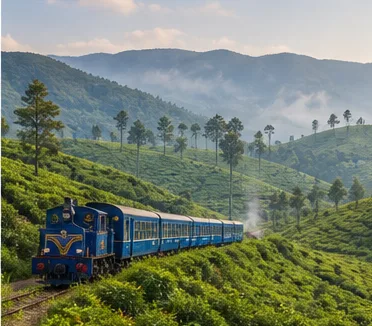
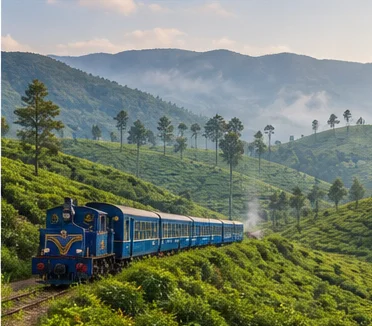
These editorial images are not evidence of current weather, access, schedules, prices, businesses or crowds.


Planning questions
Frequently asked questions
Which is the best hotel in Tamil Nadu?
This guide does not rank hotels. The useful choice depends on route, needs, current operation and terms.
What is the difference between a hotel and homestay?
Official NIDHI definitions distinguish property types; verify what the specific property provides.
Are heritage hotels always in historic buildings?
Formal heritage classification has defined criteria. Decorative use of the word heritage may not establish official status.
How do I check accessibility?
Ask concrete questions about entrance, lifts, room, bathroom, parking and routes, and retain the response.
Should I stay near the city centre?
Stay near the experiences and transport that matter; the geographic centre may not be practical.
Are online reviews reliable?
Use recent patterns as questions, then confirm essential facts directly.
Does a property near a forest arrange official access?
A property cannot replace Forest Department authority. Verify current access and permits officially.
Are prices listed here?
No. Rates, taxes, availability and offers are volatile and must be checked at booking.
Editorial trust
Sources and current-information handoffs
Major factual claims are cited inline. Operating details, warnings and availability must still be rechecked at the official source.
- 1NIDHI accommodation-unit categoriesMinistry of Tourism, Government of IndiaOfficial hospitality-industry definitions · Reviewed 14 August 2026
- 2NIDHI accommodation classification guidelinesMinistry of Tourism, Government of IndiaOfficial hospitality classification guidance · Reviewed 14 August 2026
- 3Tamil Nadu and Puducherry weather warningsIndia Meteorological DepartmentOfficial current warning service · Reviewed 14 August 2026
- 4Forests and wildlife administrationTamil Nadu Forest DepartmentOfficial protected-area authority · Reviewed 14 August 2026
- 5Tamil Nadu destination overviewMinistry of Tourism, Government of IndiaOfficial tourism overview · Reviewed 14 August 2026
- 6Regional Meteorological Centre ChennaiIndia Meteorological DepartmentOfficial forecast and regional weather service · Reviewed 14 August 2026