
Pack for the route you chose
Packing for Tamil Nadu
A useful bag reflects the exact route, current forecast and activities. Pack fewer adaptable items, protect essentials and leave room for changing conditions.
Orientation
Start with the decision, not a slogan
Tamil Nadu packing lists fail when they assume one climate. A Chennai coast-and-city trip, a dry interior heritage route, a Kaveri-delta journey and a Western Ghats stay can require different layers, footwear and rain protection on the same dates. Start with the destinations, activities, accommodation and current forecast.
Pack for repeated use rather than a separate outfit for every photograph. Breathable clothing, a modest layer for sacred places, comfortable footwear and protection for rain or sun can be combined in different ways. Personal medicines, mobility equipment and specialist outdoor gear require individual planning beyond a generic article.
The most important items are those that preserve access to identification, tickets, money, communication and essential personal needs. Keep them secure and reachable without placing every copy in the same bag. This guide offers organization, not medical, legal or weather guarantees.
This is an evergreen planning guide, not a live operating feed. Forecasts, warnings, transport schedules, ticket availability, opening arrangements, access controls and prices can change after editorial review. Follow the linked official service close to departure and treat a clear unavailable state as more trustworthy than a guessed answer.[1][2]
PACK FROM THE ITINERARY
List conditions before listing objects
Write down every base, transfer and high-priority activity. Mark coast, plain, hill, forest, temple, monument, beach and long vehicle days. Note whether luggage must be carried through stations or changed between properties.
Check the current forecast for each base close to departure. Seasonal context can suggest questions, but only a current source can show the expected conditions for the travel window. Official warnings may require changing the route rather than adding more gear.[1][2]
Check accommodation laundry, storage and accessibility before overpacking. A smaller bag can make train platforms, steps and repeated transfers easier, while a single-base journey may tolerate a different setup.
DAILY CLOTHING
Use breathable pieces that can add coverage
For many lowland itineraries, lightweight breathable clothing is practical. Choose pieces that allow comfortable walking and can be washed or reworn. A light overshirt, scarf or wrap can add coverage and respond to air-conditioned interiors without requiring a separate wardrobe.
Respectful dress requirements vary by temple and institution. Carry an adaptable option and check the exact place rather than relying on a universal rule. Avoid advice that judges bodies or presents one garment as mandatory everywhere.
Night travel, early starts and hill stays can feel cooler than a lowland afternoon. Add one insulating layer for the actual route. The correct weight depends on forecast, altitude, accommodation and personal comfort.
WEATHER PROTECTION
Prepare for exposure without assuming the forecast
For heat and sun exposure, consider a hat, sunglasses, refillable water container and clothing that protects skin while remaining comfortable. The amount of water and any health precautions are personal matters; seek professional advice where needed.
For rain, protect documents, electronics and necessary clothing inside the bag. A compact rain layer can be useful, but wind, heavy rain or official warnings may make an activity inappropriate regardless of equipment.[2]
Wet footwear can undermine a multi-day trip. Choose shoes that suit the walking surfaces and can dry, and keep a simple separation method for damp items. Do not assume sandals are suitable for every hill, monument or long walking day.
Plan shade, breathable coverage and lower-exposure hours.
Protect essentials and let warnings change the plan.
Layer rather than packing for one average condition.
WALKING AND TEMPLES
Match footwear to surfaces and removal rules
City pavements, temple approaches, stone monuments, wet paths, sand and hill streets feel different. Comfortable, broken-in footwear is more valuable than a new technical label. If the itinerary includes long exposed walking, test the footwear before travel.
Temples may require footwear removal. Use the designated storage or area, and carry socks only if the institution permits them. Hot, wet or uneven ground can affect comfort; plan the timing rather than expecting an exception.
Specialist trekking or forest activities may require equipment and permissions defined by the operator or authority. This general guide does not certify gear or imply that an activity is open.
DOCUMENTS AND MONEY
Separate access copies from secure originals
Carry the identification, tickets, permits and booking records required for the journey. Requirements depend on the traveler and service, so verify them with the operator. Keep offline copies where appropriate without exposing sensitive details unnecessarily.
Use more than one lawful payment method when practical. UPI eligibility depends on account and product conditions; international visitors should consult current official information. Do not photograph or share PINs, one-time codes or full identity documents casually.[5][6]
Keep accommodation addresses, transport details and emergency contacts available if the phone loses connectivity. A printed or written fallback can be small. Store backups separately so one lost bag does not remove every essential record.
POWER AND CONNECTIVITY
Keep the digital plan useful when the network is not
Carry the chargers and adapters appropriate to your own devices and lawful electrical standards. Check airline battery rules with the carrier; they can change and differ by device. Do not place a power bank where the operator prohibits it.
Download tickets, addresses, language notes and essential map areas before a rural or hill transfer. Offline information can help orientation but cannot reflect a new closure, platform change or warning. Recheck when service returns.
A small power strategy is better than many unused devices. Decide which phone or device holds tickets, how another traveler can access them and how the group will reconnect if separated.
PERSONAL NEEDS
Pack individual essentials deliberately
Personal medicines, prescriptions, mobility aids, sensory items, dietary supplies and child-care needs cannot be replaced by a general destination checklist. Carry enough for the planned journey and seek qualified advice for individual health or legal questions.
Confirm whether accommodation can support refrigeration, charging, step-free access, bathing needs or equipment storage. Ask specific questions and retain the answer with the booking. An accessible label without facility detail is not sufficient.
For families and groups, distribute shared items without separating a person from something essential. Keep the day bag manageable, and review it before every transfer so passports, medication or tickets do not remain in a hotel safe or vehicle.
PACK LESS
Leave out items that create risk or clutter
Do not carry restricted items into transport, temples, monuments or protected areas. Rules differ by place and operator, so check them directly. A drone, tripod, large bag or food item may be controlled even when a phone is permitted.
Avoid packing valuables that have no purpose in the trip. Do not bring wildlife products, undocumented artifacts or materials whose possession or transport may be unlawful. Responsible souvenirs come with clear maker and material context.
Leave room for flexibility rather than shopping expectations. If purchasing textiles, crafts or food, ask about materials, care, transport and provenance; do not assume every place-associated label guarantees origin.
Saved in this browser
Pack by Route
Use this as a planning prompt, then confirm current facts with the responsible operator or authority. Nothing is sent to a server.
Visual orientation
Project-created travel perspectives
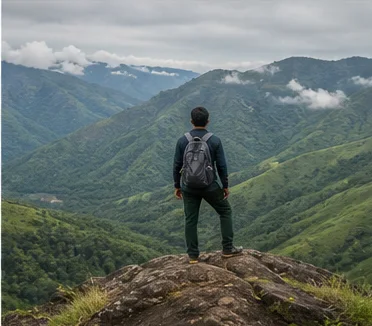
These editorial images are not evidence of current weather, access, schedules, prices, businesses or crowds.


Planning questions
Frequently asked questions
What clothes should I pack for Tamil Nadu?
Use breathable adaptable layers for the actual route, plus respectful coverage for places that require it.
Do I need warm clothing?
Hill, night and air-conditioned conditions can differ from lowland afternoons. Check the forecast and personal comfort.
What should I wear to a temple?
Carry a respectful option and verify the exact temple's current clothing and footwear rules.
Should I pack for monsoon rain?
Check the route and current forecast. Protect essentials, but let official warnings change activities.
Are sandals enough?
Not for every surface or walking day. Choose footwear for the actual itinerary and test it before travel.
Should all documents be on my phone?
Keep secure offline access and a separated backup where appropriate.
Does this list include medical advice?
No. Personal medicines and health needs require individual professional guidance.
Can I carry a drone or tripod?
Rules vary by transport, monument, temple and protected area. Verify permission directly before carrying or using equipment.
Editorial trust
Sources and current-information handoffs
Major factual claims are cited inline. Operating details, warnings and availability must still be rechecked at the official source.
- 1Regional Meteorological Centre ChennaiIndia Meteorological DepartmentOfficial forecast and regional weather service · Reviewed 14 August 2026
- 2Tamil Nadu and Puducherry weather warningsIndia Meteorological DepartmentOfficial current warning service · Reviewed 14 August 2026
- 3Temple GuideHindu Religious and Charitable Endowments Department, Government of Tamil NaduOfficial temple-administration directory · Reviewed 14 August 2026
- 4Visitor guidance for protected monuments and sitesArchaeological Survey of IndiaOfficial monument visitor guidance · Reviewed 14 August 2026
- 5Unified Payments InterfaceNational Payments Corporation of IndiaOfficial payment-system overview · Reviewed 14 August 2026
- 6UPI One WorldNational Payments Corporation of IndiaOfficial international-visitor payment information · Reviewed 14 August 2026