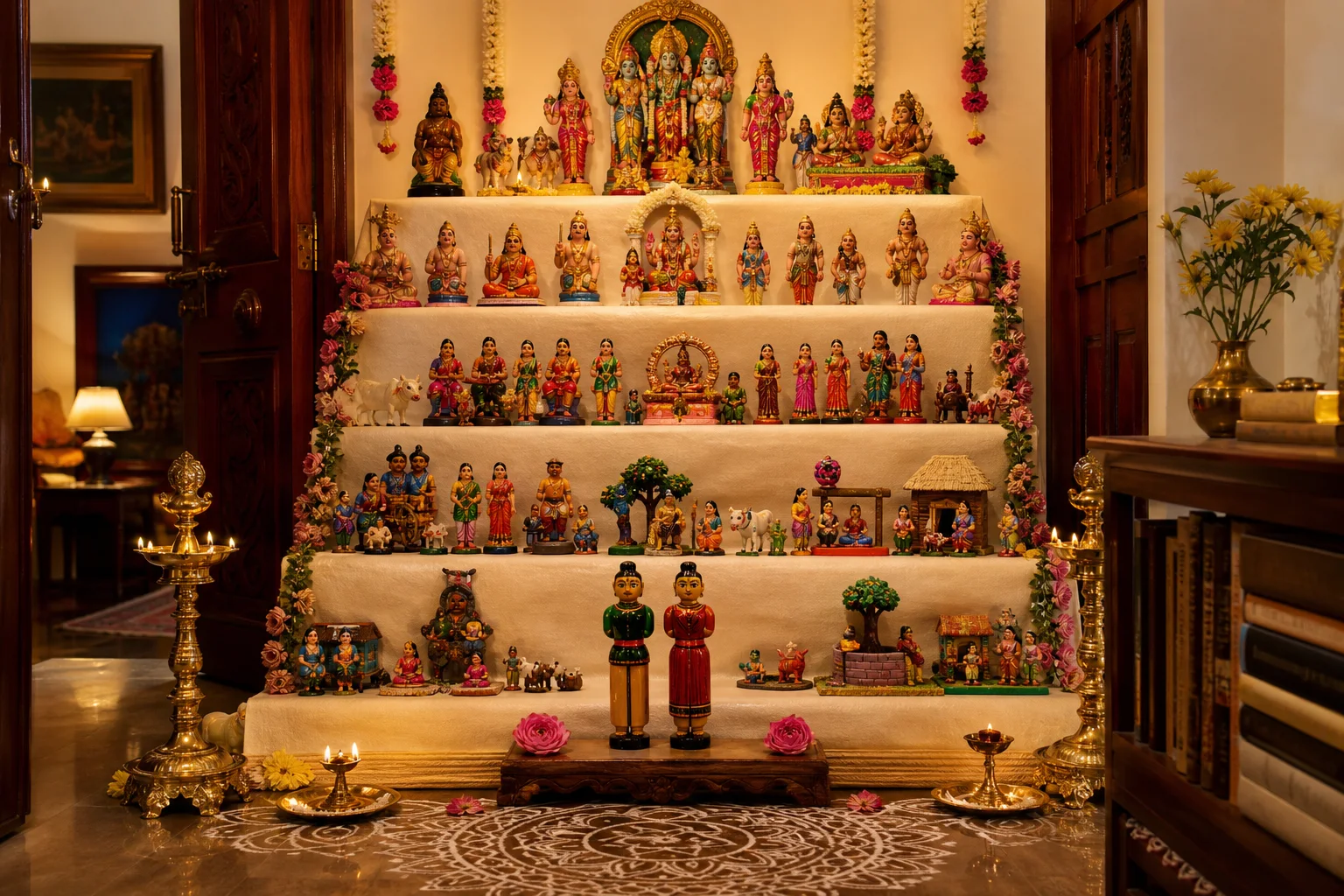
Golu is a display, a practice and a conversation
Navaratri is observed across India in many forms. In Tamil Nadu, one familiar household and institutional practice is the stepped display of dolls and figures known as Golu, Kolu or Bommai Golu. Official tourism material describes South Indian Kolu displays as part of the festival's regional diversity. The display may include deities, saints, musicians, animals, village scenes, everyday occupations and contemporary themes.
The arrangement is not merely an exhibition. Families may clean and prepare the space, bring inherited dolls out of storage, make new scenes, invite visitors, sing, read, worship and exchange food or small gifts. Other families do not keep Golu, or observe Navaratri differently. Respect begins by describing a practice without making it mandatory or universal.
Sources for this section: Navratri, Public Golu notice.
The steps organize attention, not one fixed rule
Golu is often built on tiered steps, but the number, material and arrangement vary by home, space and family custom. Some displays place divine figures toward the upper levels and social or landscape scenes below. Others organize by inherited sets, story sequence, craft type or a yearly theme. A visitor should not correct a household by applying an online diagram as universal law.
The steps create relationships. A temple set beside musicians can suggest performance and devotion; a market scene can bring work and exchange into the display; animals and trees can form a landscape. Ask the host what a grouping means rather than assuming that every figure carries the same interpretation everywhere.
Sources for this section: Navratri, Golu exhibition gallery.
Dolls carry material and maker histories
A collection may include clay figures, painted wood, papier-mache, metal, modern moulded material and locally specific craft forms. Thanjavur's rocking and bobblehead dolls are among the best-known Tamil craft types associated with display and souvenir culture. Their presence should not make every Golu doll a Thanjavur doll, and a figure's age or origin should not be guessed from appearance.
Inherited dolls can hold family memory even when their maker is unknown. New purchases connect the festival with current artisans and markets. Responsible buying asks about material, maker and place, avoids false antique claims and values repair or careful storage. The craft story includes labour, not only the finished figure.
Sources for this section: Thanjavur dolls, Tamil Nadu arts and craft.
Visits connect display with music and food
Golu visits can create a social circuit among relatives, friends and neighbours. In some settings, guests sing devotional or classical pieces, children perform, and sundal or other food is shared. Practice differs by family, dietary custom and day. The hospitality should be received without treating food, performance or a gift as an entitlement.
Carnatic music has strong connections with devotional and institutional Navaratri programming, but Golu is not a concert requirement and not every household follows the same repertoire. Listen when invited, keep recording discreet and ask permission before posting a child's performance or a private interior online.
Sources for this section: Tamil Nadu arts and craft, Navratri.
A living display can include new stories
Golu collections change as families inherit, add, repair or reinterpret figures. Contemporary themes may address public life, environment, occupations or local history. That change does not automatically make a display less traditional. Living traditions survive through decisions made by practitioners, and the household should explain its own choices.
At the same time, sensitivity matters. Communities, occupations and disability should not be reduced to caricature. Religious figures deserve the respect expected by the host. A scene that presents a historical claim can be a prompt for learning, not proof by itself. The display is storytelling through objects, and stories can be questioned with kindness.
Sources for this section: Golu exhibition gallery, Tamil Nadu arts and craft.
Visit a Golu as a guest
Wait for an invitation or attend a clearly public institutional display. Follow footwear and prayer-space cues, avoid touching figures and keep children close enough to protect fragile arrangements. Ask before photographing the display, and ask again before including people, family photographs or private rooms in the frame.
Navaratri follows a religious calendar, so Gregorian dates change each year. Public exhibitions, temple programmes and visiting hours require current confirmation. Use the festival calendar to understand the recurring period, then let the host or responsible institution define the actual visit. The best question is often simple: which doll or story matters most to you?
Sources for this section: Navratri, Public Golu notice.
Sources & Further Reading
These authoritative references support the historical, geographic, or seasonal context in this story. Current conditions and operating details still require a fresh official check.
- Thanjavur Art and Craft · Incredible India, Ministry of Tourism
- Navaratri Kolu Public Invitation · Lok Bhavan, Tamil Nadu
- Navaratri Golu Exhibition at Raj Bhavan · Lok Bhavan, Tamil Nadu
- Events and Craft Programmes · Tamil Nadu Department of Art and Culture
Related Stories
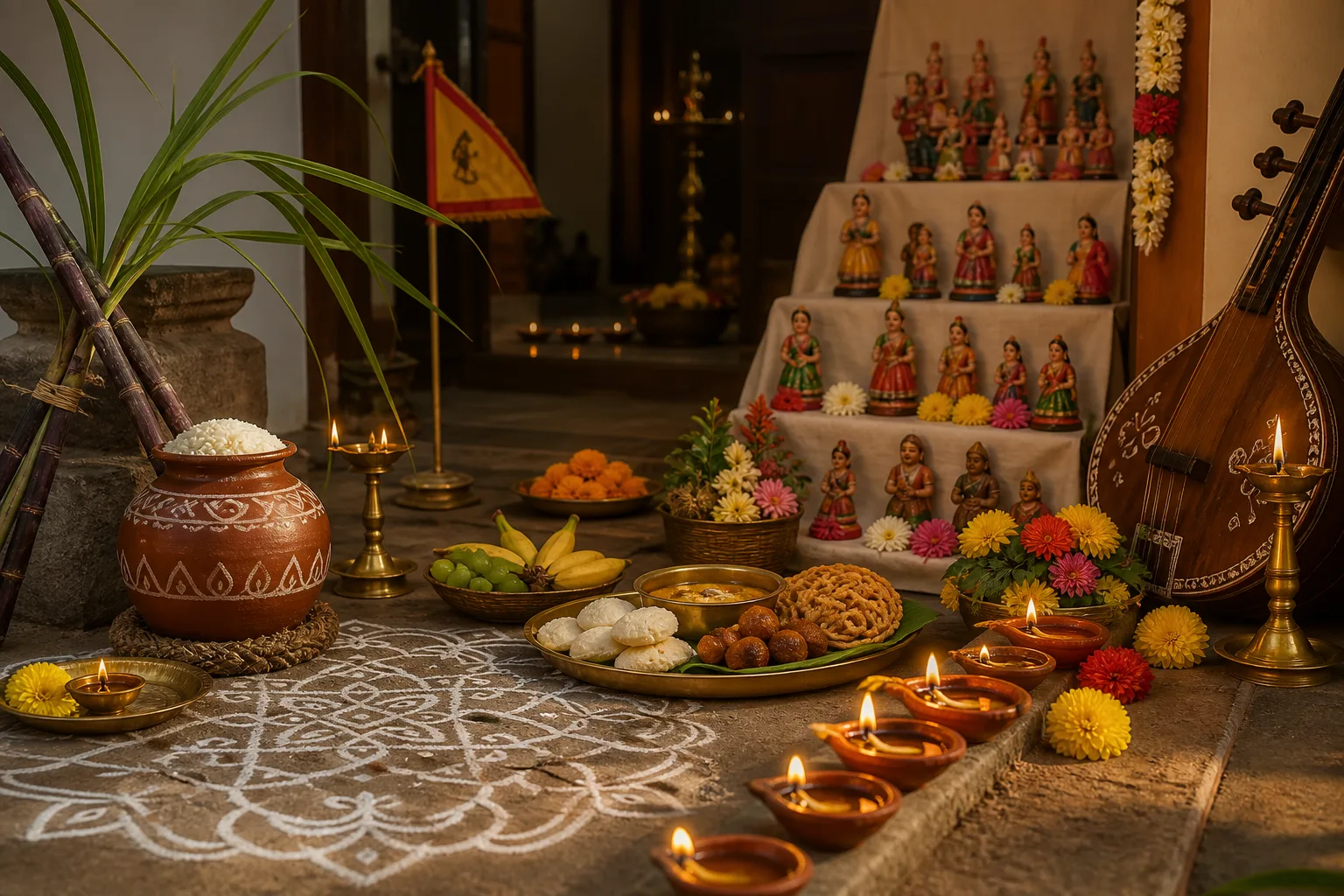
Beyond Pongal: How to Read Tamil Nadu's Festival Calendar
A cultural guide to the many clocks behind Tamil Nadu's festivals, from harvest and household practice to temple calendars and pilgrimage.
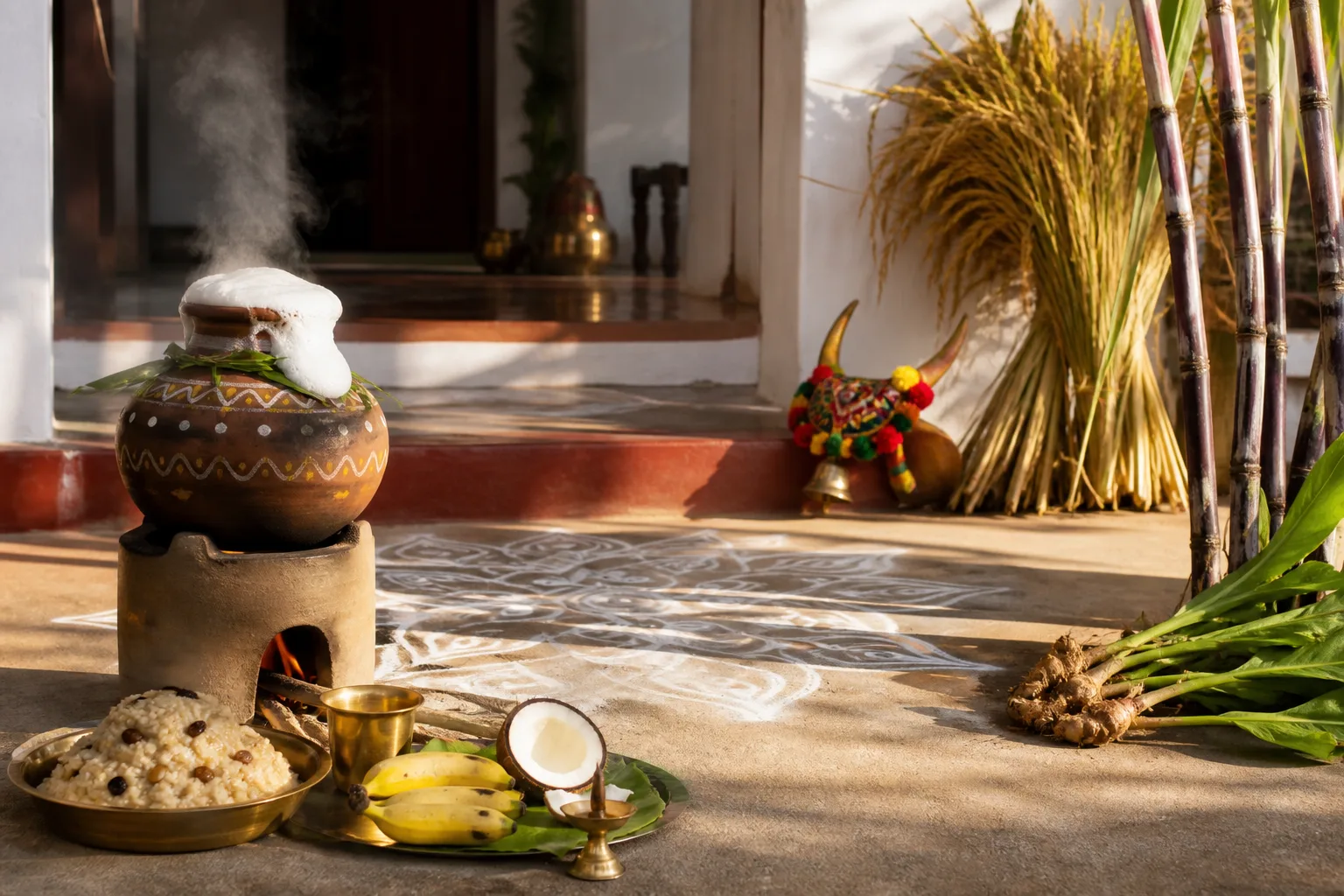
Pongal in Tamil Nadu: Understanding Four Days of Harvest Traditions
Follow Pongal across four connected observances, from renewal and the boiling pot to cattle, kinship and public gathering, without treating one household pattern as universal.
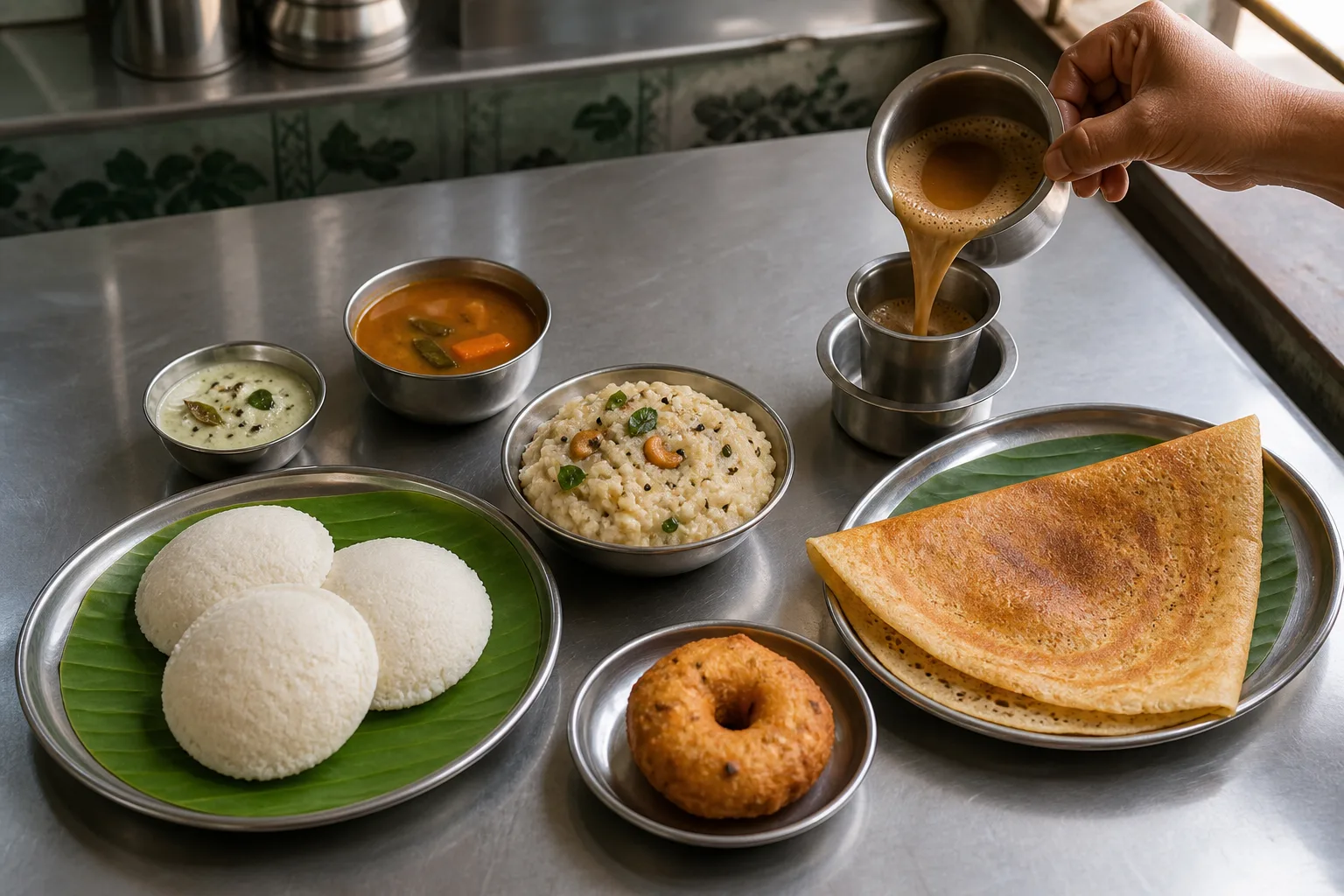
Tamil Nadu Tiffin Culture: Idli, Dosa, Pongal and the Morning Table
Read Tamil Nadu's morning table through fermented batter, quick service, home preparation, public eating and the many meanings of tiffin.
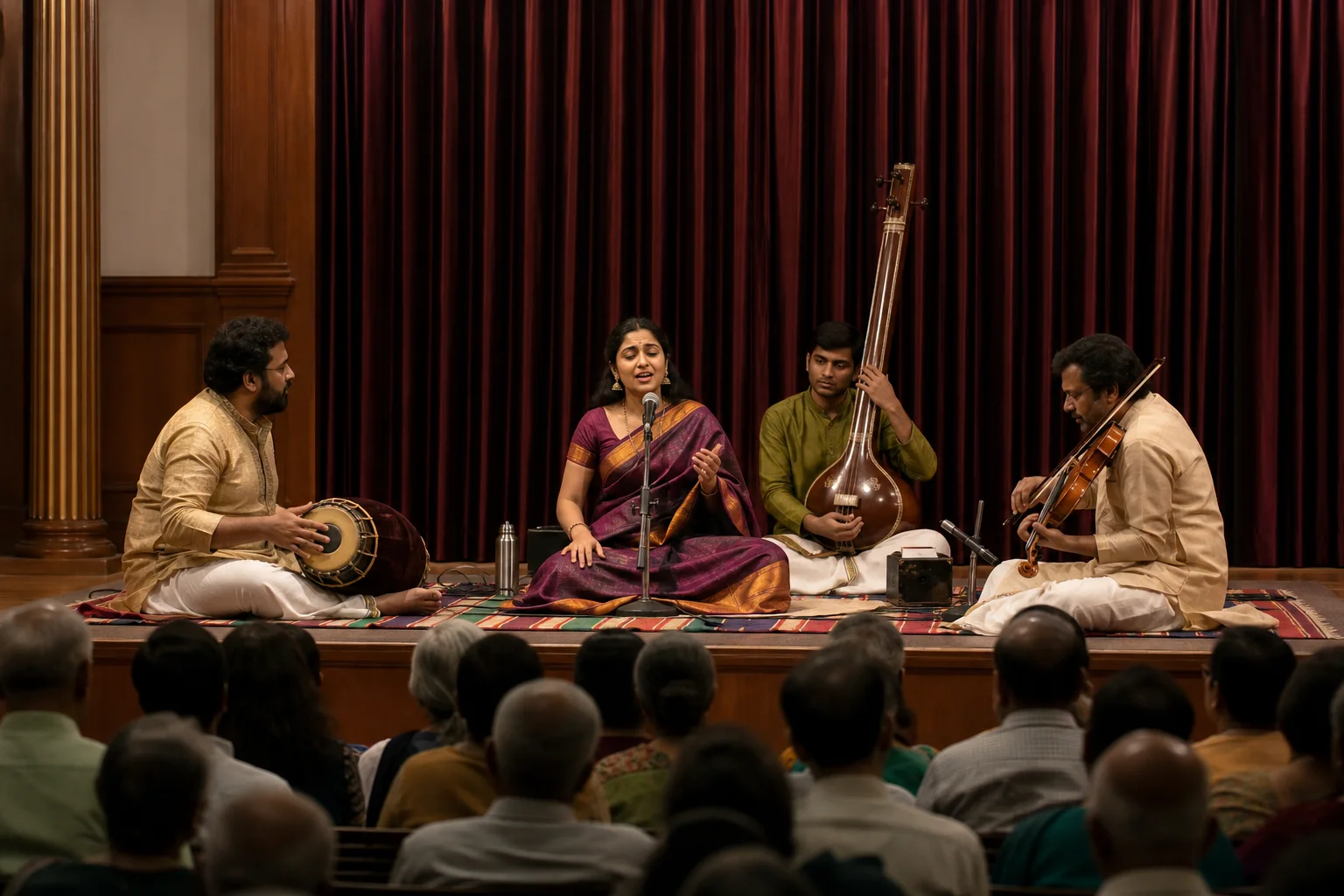
Chennai Music Season: A First Listener's Way In
A calm way to enter Chennai's distributed December concert season without trying to understand every raga, artist or sabha at once.
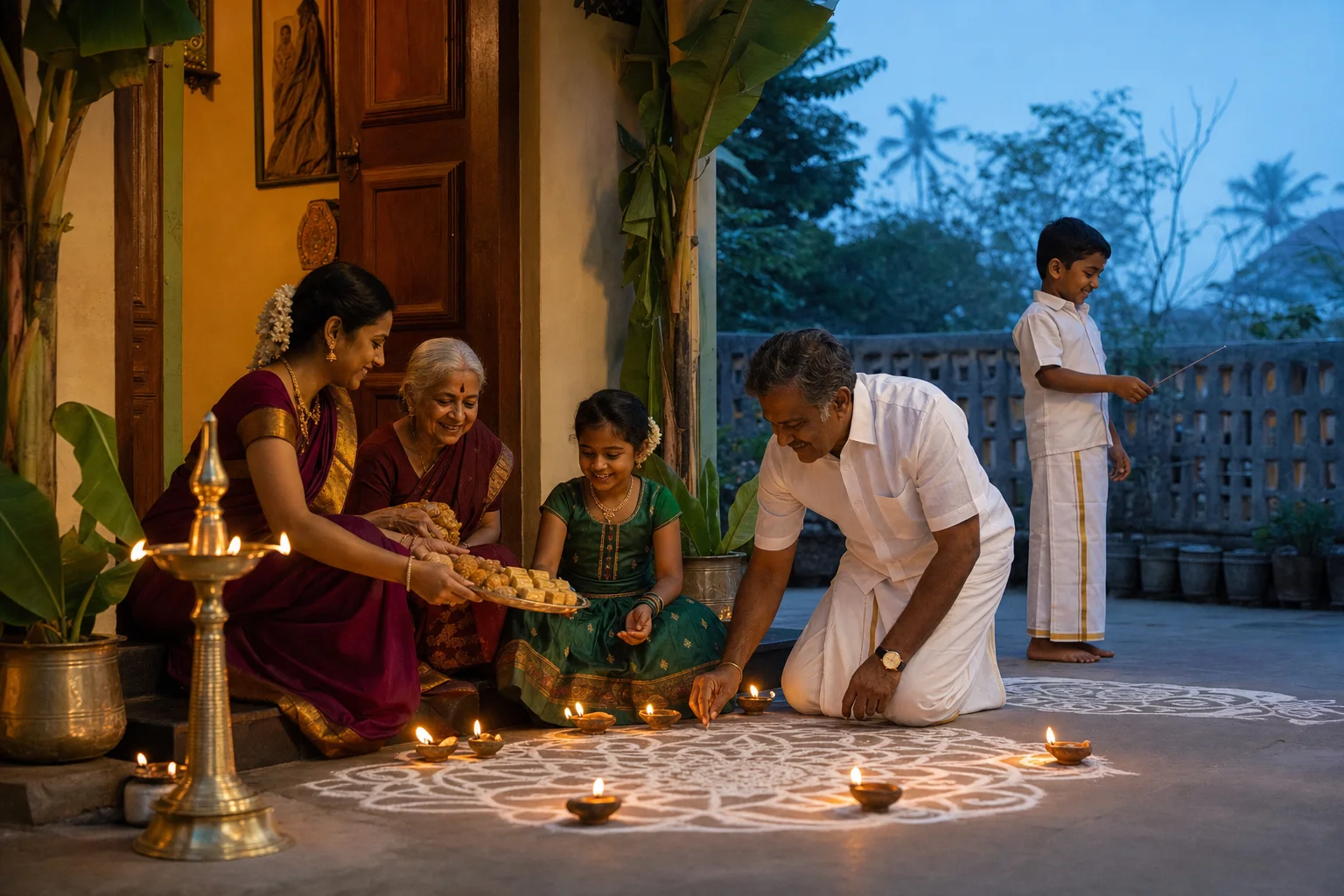
Deepavali in Tamil Nadu: Morning Rituals, Food and Shared Safety
A household-centred guide to the festival of light that respects regional variation and keeps safety, neighbours and current public rules in view.
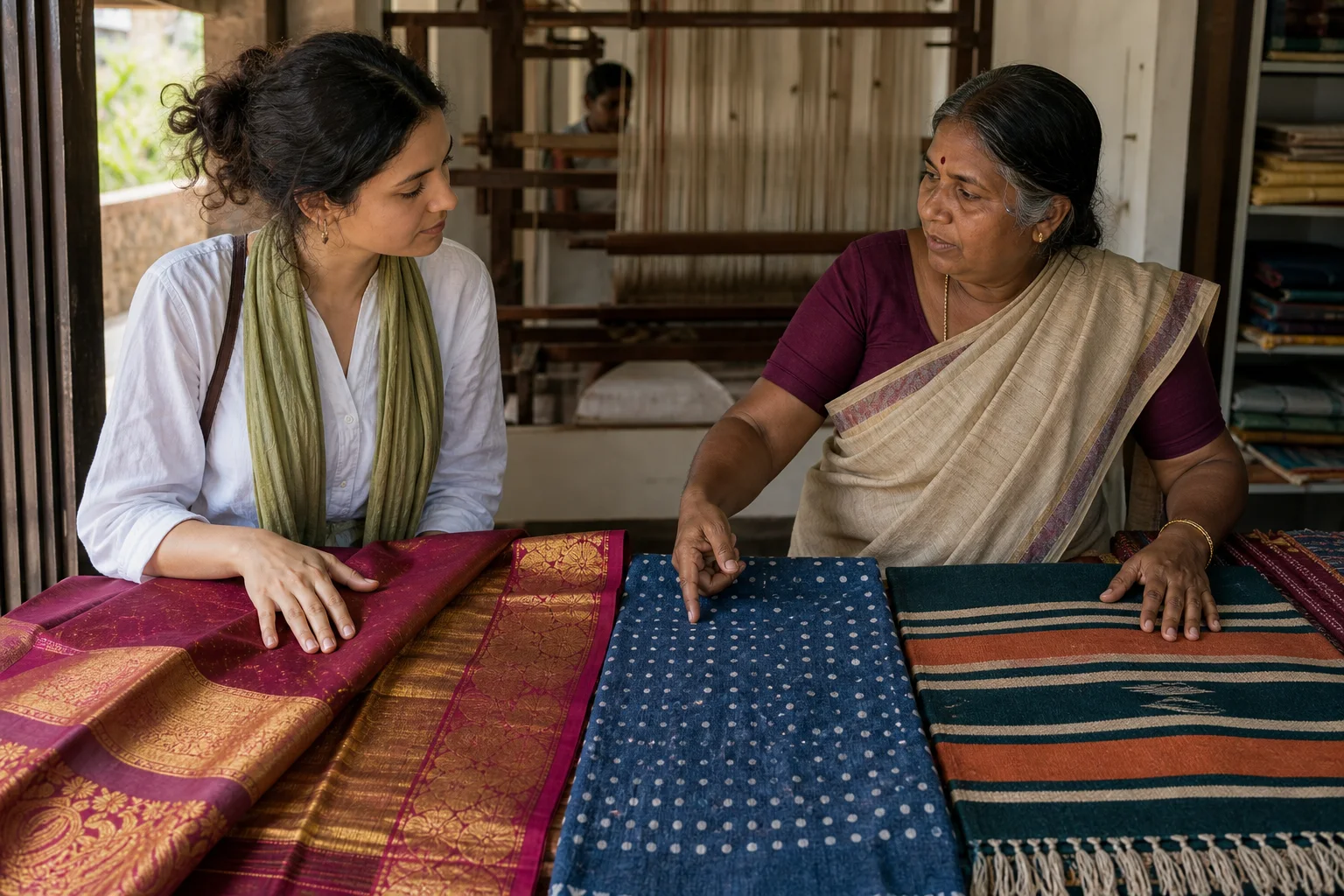
Buying Tamil Handloom: Ask About Fibre, Place and Proof
A practical festival-season guide to asking what a textile is, where it comes from and what a label actually proves before price or colour takes over.
Frequently asked questions
How many steps must a Golu have?
There is no single household format represented here. The number and arrangement vary with space, custom and the collection.
Are all Golu dolls from Thanjavur?
No. Displays can include many materials, makers and regions; Thanjavur rocking dolls are one recognizable craft type.
When is Navaratri this year?
The Gregorian dates change. Confirm the current year's calendar and any public programme with the responsible institution.
Editorial attribution
Prepared and reviewed by My Tamil Nadu Editorial Desk. Modified 27 August 2026.