Tamil Nadu lives with several festival calendars at once
A traveller looking for one annual list quickly meets several systems. Tamil months provide a familiar cultural frame; solar and lunar reckonings shape different observances; agricultural work gives harvest festivals their material setting; and individual temples maintain ritual calendars connected to their deities and traditions. Civic events, school holidays and performance seasons add more public rhythms. These layers overlap, but they do not merge into a single statewide programme.
The practical lesson is to ask what kind of date you are reading. Is it a broad festival observance, a temple's multi-day schedule, a household practice, a public holiday or a cultural programme? A date copied from a previous year may identify the season while still being wrong for the current event. Permanent guides can explain meaning and context; the exact annual date, procession route and visitor arrangement belong to a fresh official check.
Sources for this section: HR&CE festival calendar, Utsav Pongal, Utsav Navaratri.
Pongal is a harvest sequence, not one postcard morning
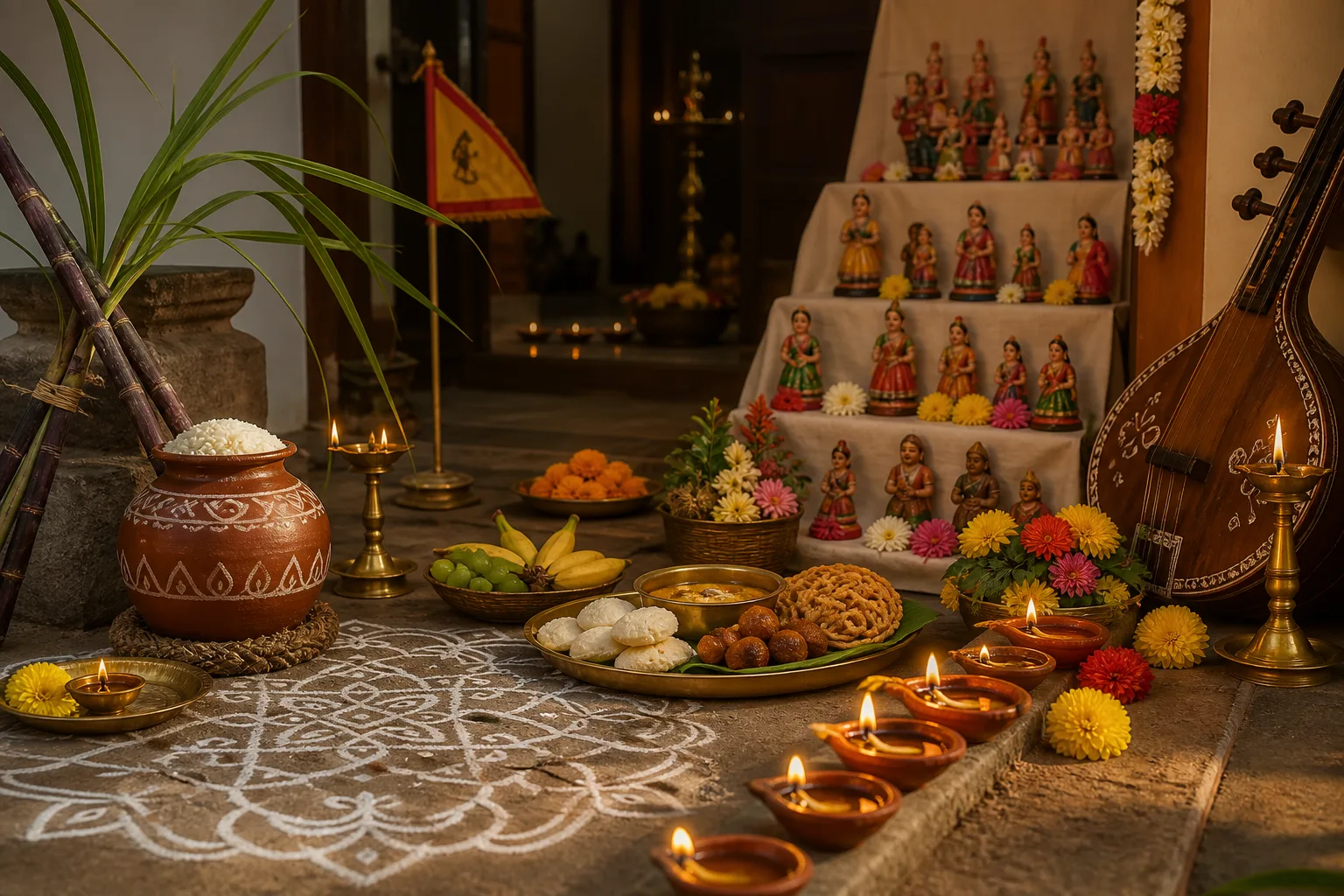
Pongal is closely associated with harvest, gratitude, the sun, cattle, household renewal and shared food, commonly understood through a sequence of observances rather than one isolated day. Kolam, sugarcane, the cooking of pongal and attention to agricultural relationships are familiar signs. Their exact performance, scale and emphasis vary between rural and urban homes, regions, families and institutions. A visitor should avoid deciding that one staged public event is the definitive version.
The festival's agricultural context matters even when celebrated in a city apartment or diaspora household. Rice, milk, jaggery and the act of boiling over link food with abundance and collective memory. Mattu Pongal draws attention to cattle in agrarian life, while Kaanum Pongal has social and visiting associations in many settings. Use the dedicated Pongal guide for fuller interpretation, and verify any public programme independently because venue, date and access are current facts.
Sources for this section: Utsav Pongal, South Zone Cultural Centre.
Tamil months are cultural coordinates, not automatic Gregorian dates
Festival descriptions often refer to Chithirai, Aadi, Purattasi, Karthigai, Margazhi or another Tamil month. That reference locates an observance within a cultural and seasonal cycle, but it does not always give a fixed Gregorian date. Some observances are linked to a solar transition, some to lunar day or star, and temple programmes may extend around a principal observance. Even when a festival usually falls within a familiar Gregorian window, the annual date should be checked.
This distinction prevents two common errors: assuming every festival moves in the same way, and assuming a previous year's programme can be relabelled for the next year. The HR&CE festival calendar demonstrates how temple entries can include Tamil-date and thithi information alongside scheduled dates. It is an official discovery point, yet visitors should still confirm details with the named temple because entries, times and crowd arrangements can be revised.
Sources for this section: HR&CE festival calendar.
Tamil New Year joins calendar, household and temple practice
Tamil New Year, commonly called Puthandu, is observed at the beginning of the Tamil month Chithirai. Household cleaning and decoration, kolam, greetings, food, prayer and visits may form part of the day, while temples can have their own worship programmes. The observance is widely recognised, but that does not make every family's menu, sequence or religious practice identical. Describe what a reliable source documents without turning it into a compulsory checklist.
For travellers, the day is best understood as a cultural transition rather than a guaranteed public spectacle. Some businesses or institutions may operate differently, temples may be busier, and private celebration should remain private. The official Utsav record for a Meenakshi temple celebration supplies one place-specific example, not a statewide timetable. Verify the current year through official channels and ask hosts before joining a household practice.
Sources for this section: Utsav Tamil New Year, Meenakshi temple.
Temple festivals make sacred geography move through public space
A temple festival may bring processional images, vehicles, music, offerings, vows and large gatherings into streets or outer precincts. Routes can reveal relationships among shrine, tank, market, neighbourhood and landscape that are less visible on an ordinary day. The event is first a religious observance for its community. Architecture becomes active infrastructure for gathering and movement, not merely a backdrop for a visitor's camera.
Each temple follows its own traditions and administrative arrangements. A chariot festival, float festival, brahmotsavam or local goddess festival cannot be described from the name alone. Dates may depend on religious calendars, and schedules can change. Use the HR&CE directory or official temple site to identify the responsible institution, then check the current notice. Do not block a procession, cross a controlled route or photograph a person in an intimate devotional moment without consent.
Sources for this section: HR&CE festival calendar, HR&CE temple directory.
Karthigai Deepam links light, household practice and place-specific pilgrimage
Karthigai Deepam is associated with the Tamil month of Karthigai and the lighting of lamps in homes and temples. Rows of small lamps can create an intimate household expression as well as a public sacred atmosphere. At Tiruvannamalai, the Arunachaleswarar temple and hill-centred Maha Deepam tradition create a pilgrimage context of exceptional scale. That place-specific prominence should not be used to describe every Karthigai observance as the same event.
For travel, distinguish the broad festival from a named temple programme. The Ministry of Tourism's Utsav record can support general context for Maha Deepam, while the temple and district authorities must supply current dates, access controls and safety arrangements. Never climb, enter restricted areas or follow a crowd beyond barriers because an earlier account described a route. Lamps also bring practical fire safety responsibilities; observe where visitors are permitted and do not rearrange ritual objects for photographs.
Sources for this section: Utsav Maha Deepam, Arunachaleswarar temple.
Music and dance can accompany a season without defining every observance
Temple music, devotional singing, classical concerts, folk performance and dance may appear within festival seasons, but the relationship depends on place and institution. A performance can be an offering, a community programme, a curated stage event or part of a broader arts season. Bharatanatyam and Carnatic music have deep histories and contemporary institutions that deserve their own context; they should not be used as generic decoration for every festival paragraph.
Read the organiser and venue. A temple programme asks different behaviour from a ticketed auditorium or public cultural event. Confirm whether photography and recording are allowed, arrive without obstructing worship or performers, and credit artists accurately. Programme times, artist lists and entry conditions are volatile. Use official organiser notices for those facts, while permanent arts guides can explain technique, history, patronage and debates that an event listing cannot carry.
Sources for this section: South Zone Cultural Centre.
Festival food carries season, offering and hospitality
Food can encode a festival's agricultural base, devotional offering, household memory and social exchange. Pongal prepared for the harvest festival, sundal shared during many Golu visits, mango pachadi associated with some Puthandu tables and temple prasadam each belong to particular contexts. A dish name alone does not prove that every region or family serves it, and a restaurant's seasonal menu is not evidence of domestic custom.
Accept hospitality with attention to household practice, allergies and dietary needs. Ask before refusing or taking an offering away, and do not waste food for a photograph. When writing or posting, name the context precisely: who prepared it, for which observance, and whether the account is one family's practice. The Food hub and regional food story can deepen the relationship among grain, landscape, technique and identity without converting celebration into a list of things to consume.
Sources for this section: Utsav Pongal, Utsav Tamil New Year, Utsav Navaratri.
Local variation is the calendar's central fact
Tamil Nadu's religious and cultural life includes Hindu, Muslim, Christian, Jain and other community traditions, along with civic commemorations and local events. Even within one named Hindu festival, caste, sect, town, temple, occupation, family history and migration can shape practice. A statewide article cannot represent all of those experiences, and it should not use the word 'Tamil' to erase internal difference or private choice.
Listen for how people describe their own observance. Use terms supplied by reliable local sources, distinguish a public institution from a community practice, and avoid entering worship spaces or neighbourhood events as though every gathering were a tourism product. A festival calendar is most accurate when it leaves room for non-participation as well as celebration. Human review remains appropriate where an article discusses community identity, contested history or practices that insiders understand differently.
Sources for this section: HR&CE temple directory, South Zone Cultural Centre.
Build a festival trip from meaning first, then verify the year
Start with the permanent Culture, Temple and By Month guides to decide what kind of experience interests you: household arts, harvest context, a living temple, public procession, music or food. Then identify the responsible organiser. Check its current date, venue, entry conditions, route, photography policy and accessibility information. If a major gathering is involved, review district and transport notices as well as weather. Do not publish a programme assembled from last year's pages.
Keep the visit useful if the public event changes. A temple town still offers architecture and sacred geography when a procession is not visible; a month can be understood through food, craft, music and landscape without entering a private celebration. Tamil Nadu Today may help with current handoffs, but the organiser remains authoritative for the event. This two-layer method protects both the traveller and the cultural meaning that a static calendar tends to flatten.
Sources for this section: HR&CE festival calendar.
Sources & Further Reading
These authoritative references support the historical, geographic, or seasonal context in this story. Current conditions and operating details still require a fresh official check.
- Temple festival calendar · Tamil Nadu Hindu Religious and Charitable Endowments Department
- Tamil Nadu temple directory · Tamil Nadu Hindu Religious and Charitable Endowments Department
- Pongal Festival · Ministry of Tourism, Government of India
- Tamil New Year at Arulmigu Meenakshi Sundareshwarar Temple · Ministry of Tourism, Government of India
- Maha Deepam Festival, Thiruvannamalai · Ministry of Tourism, Government of India
- Festival of Knowledge and Wisdom at Koothanur · Ministry of Tourism, Government of India
- Arulmigu Meenakshi Sundaraswarar Temple · Tamil Nadu Hindu Religious and Charitable Endowments Department
- Arulmigu Arunachaleswarar Temple · Tamil Nadu Hindu Religious and Charitable Endowments Department
- South Zone Cultural Centre · Ministry of Culture, Government of India
Related Stories
A Food Journey Through Tamil Nadu's Regional Cuisines
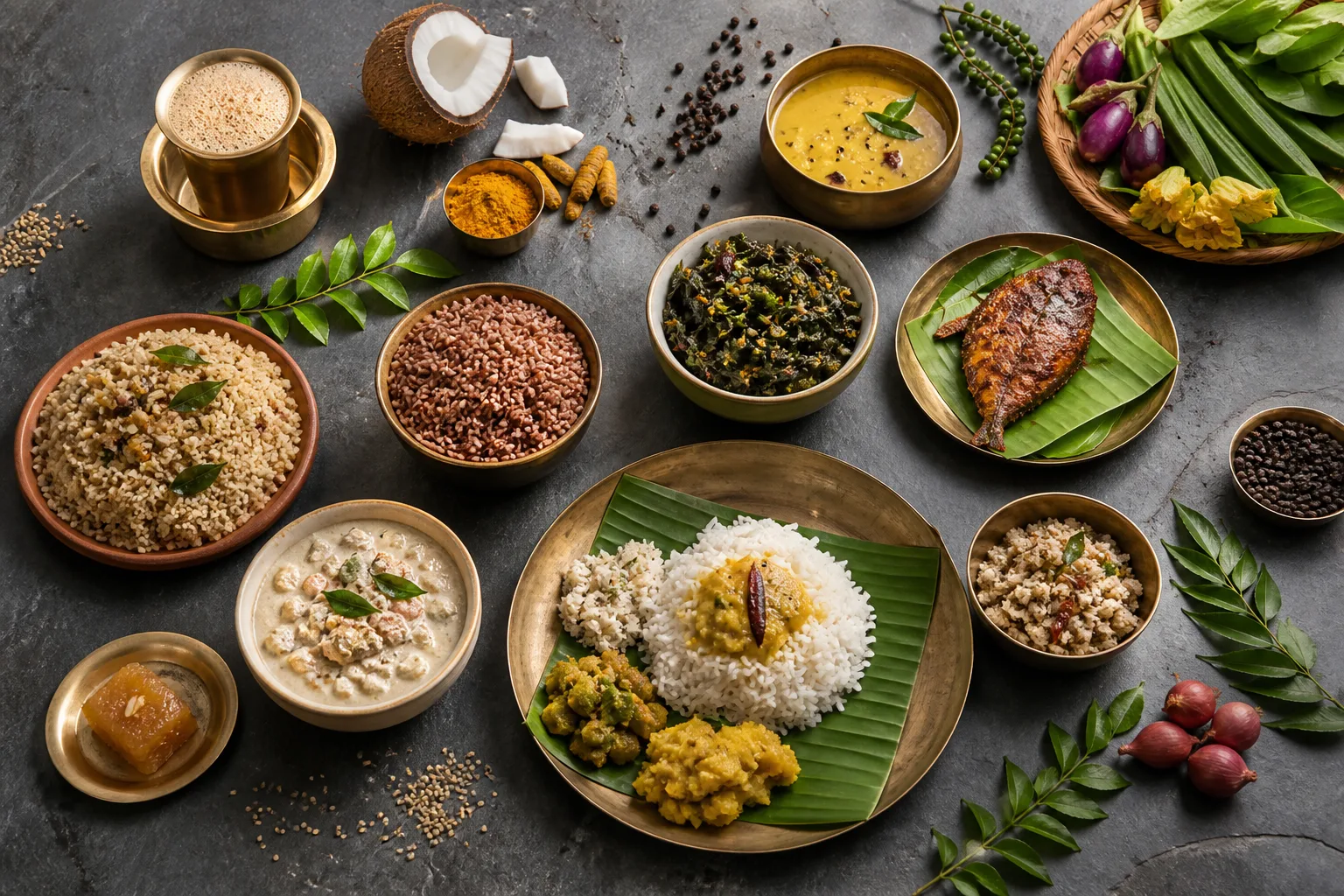
Travel across Tamil Nadu through the relationships among region, crop, technique, household memory, migration, worship, and changing city life.
How to Read a Tamil Nadu Temple: Architecture, Ritual Space and Respectful Travel
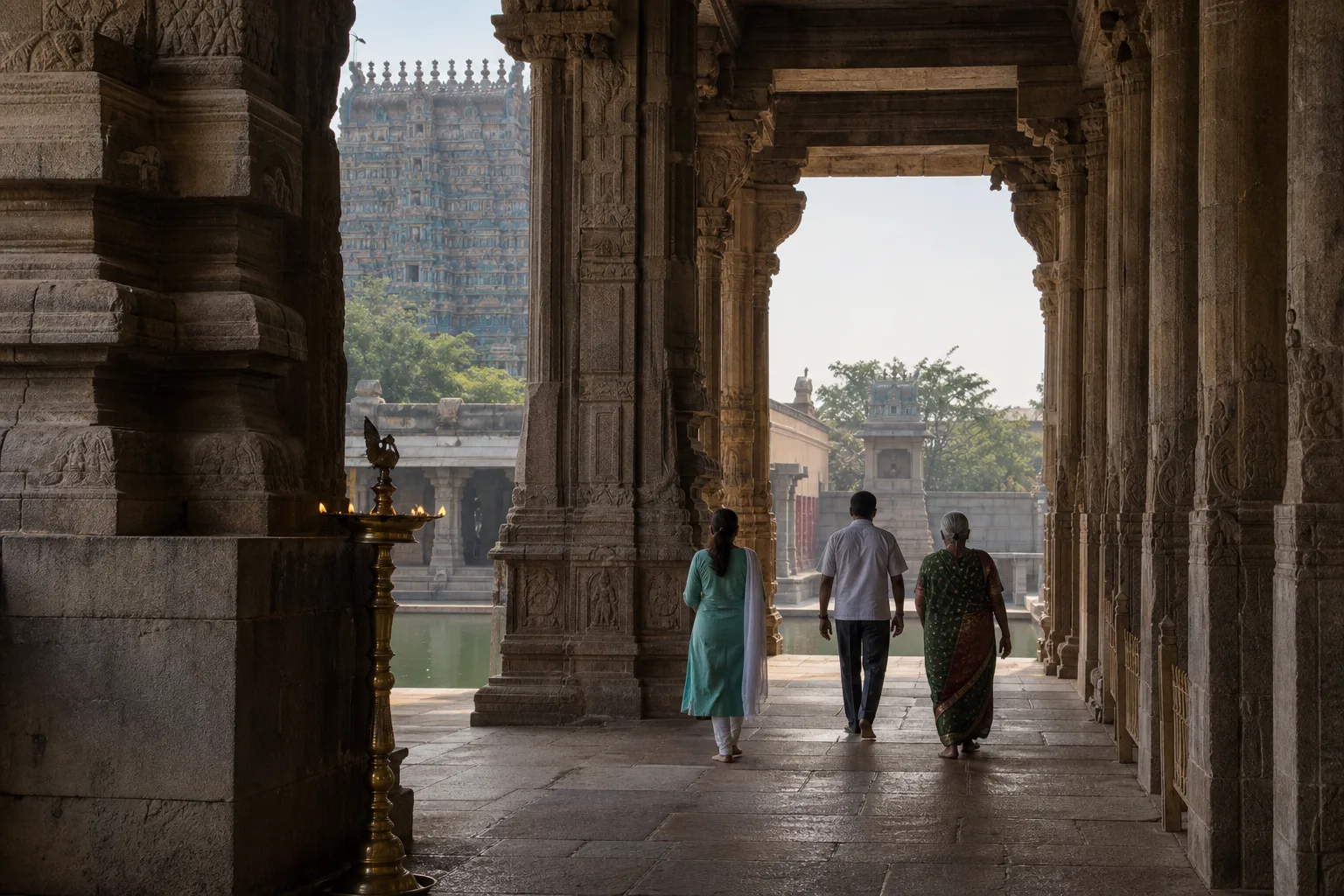
A visitor's guide to reading temple architecture and ritual space without forgetting that the monument is also a living sacred place.
Pongal in Tamil Nadu: Understanding Four Days of Harvest Traditions
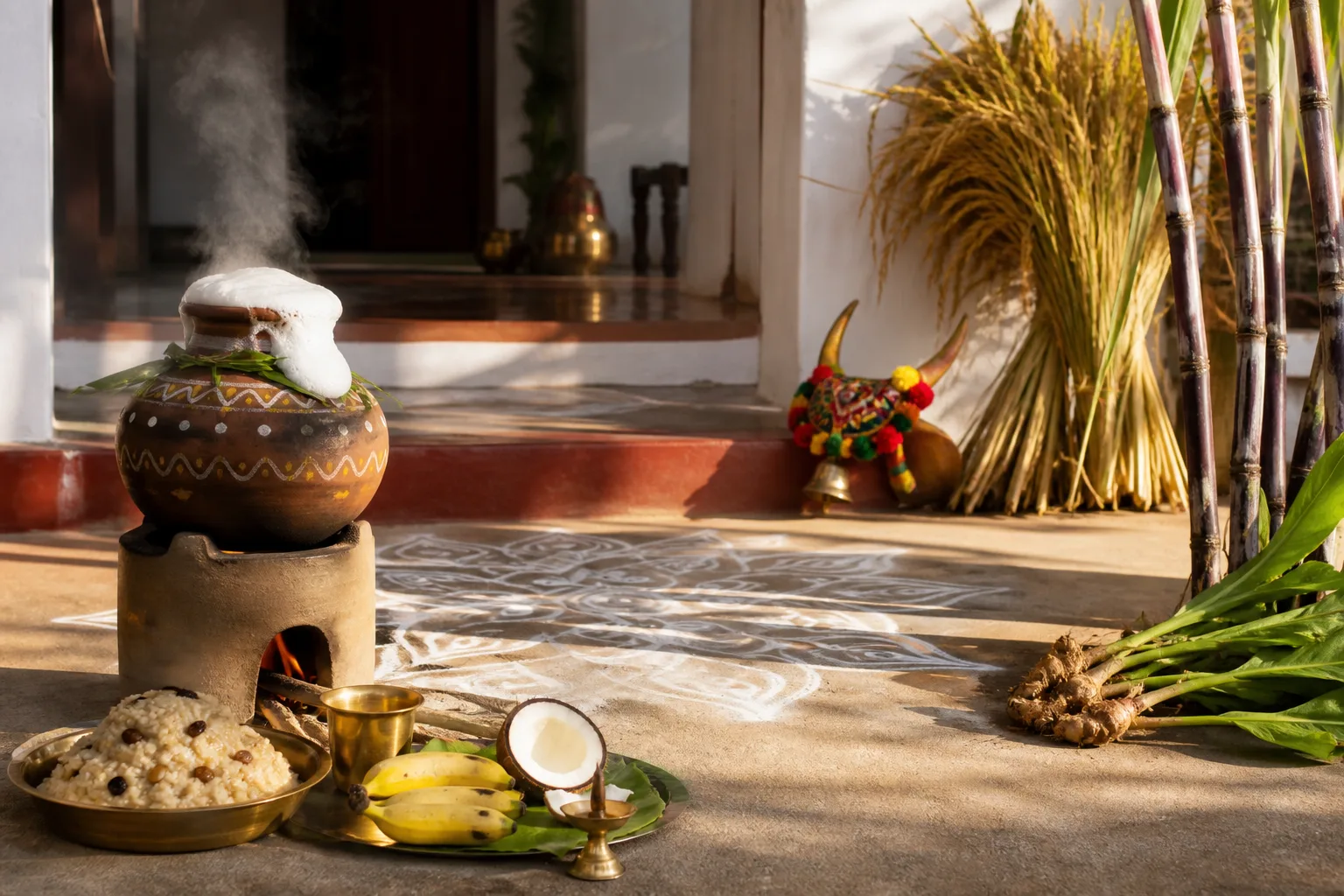
Follow Pongal across four connected observances, from renewal and the boiling pot to cattle, kinship and public gathering, without treating one household pattern as universal.
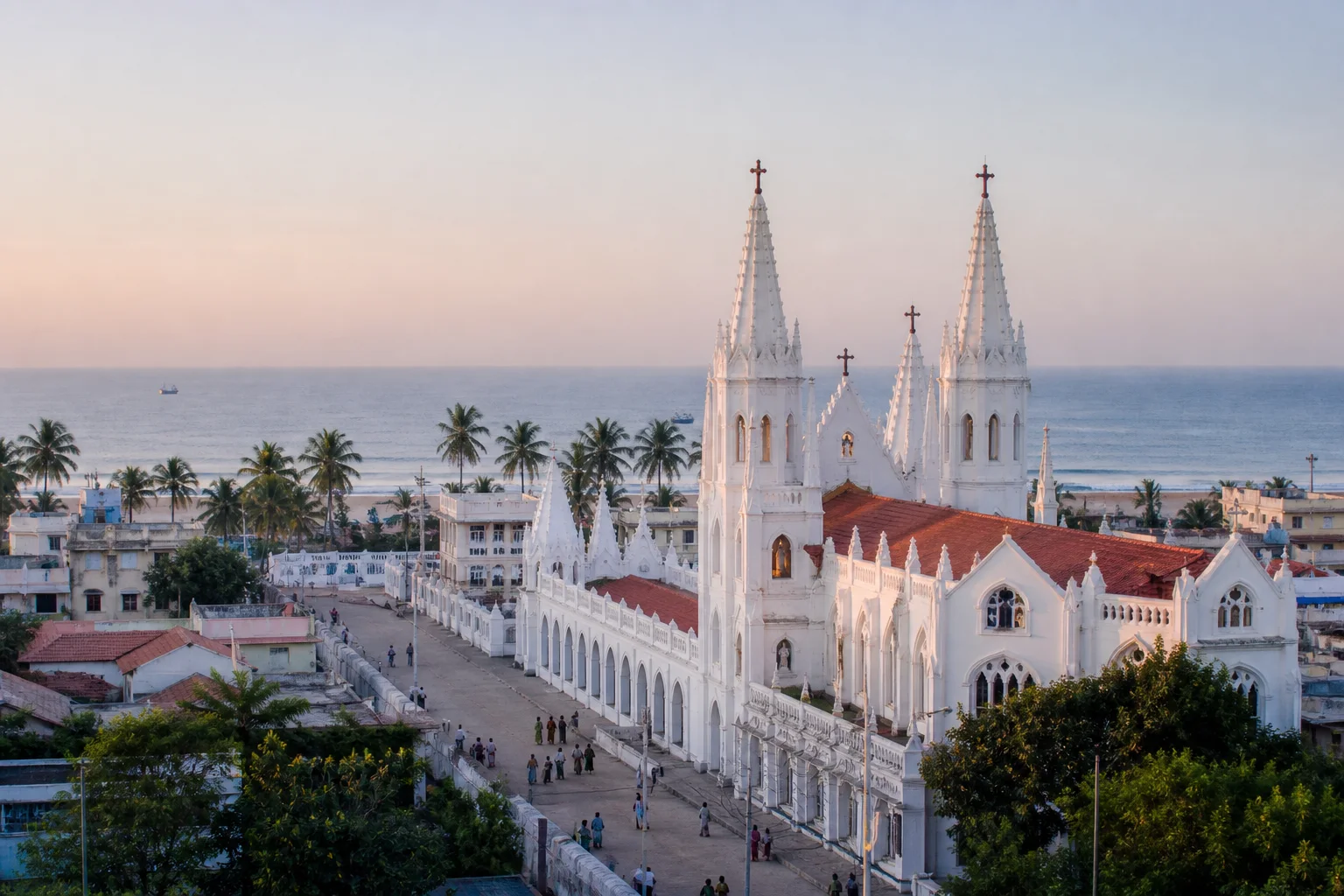
Velankanni: Reading a Pilgrimage Town Beside the Sea
A first-visit guide to the relationship between the Shrine Basilica, pilgrim movement, town services and an exposed Bay of Bengal coast.
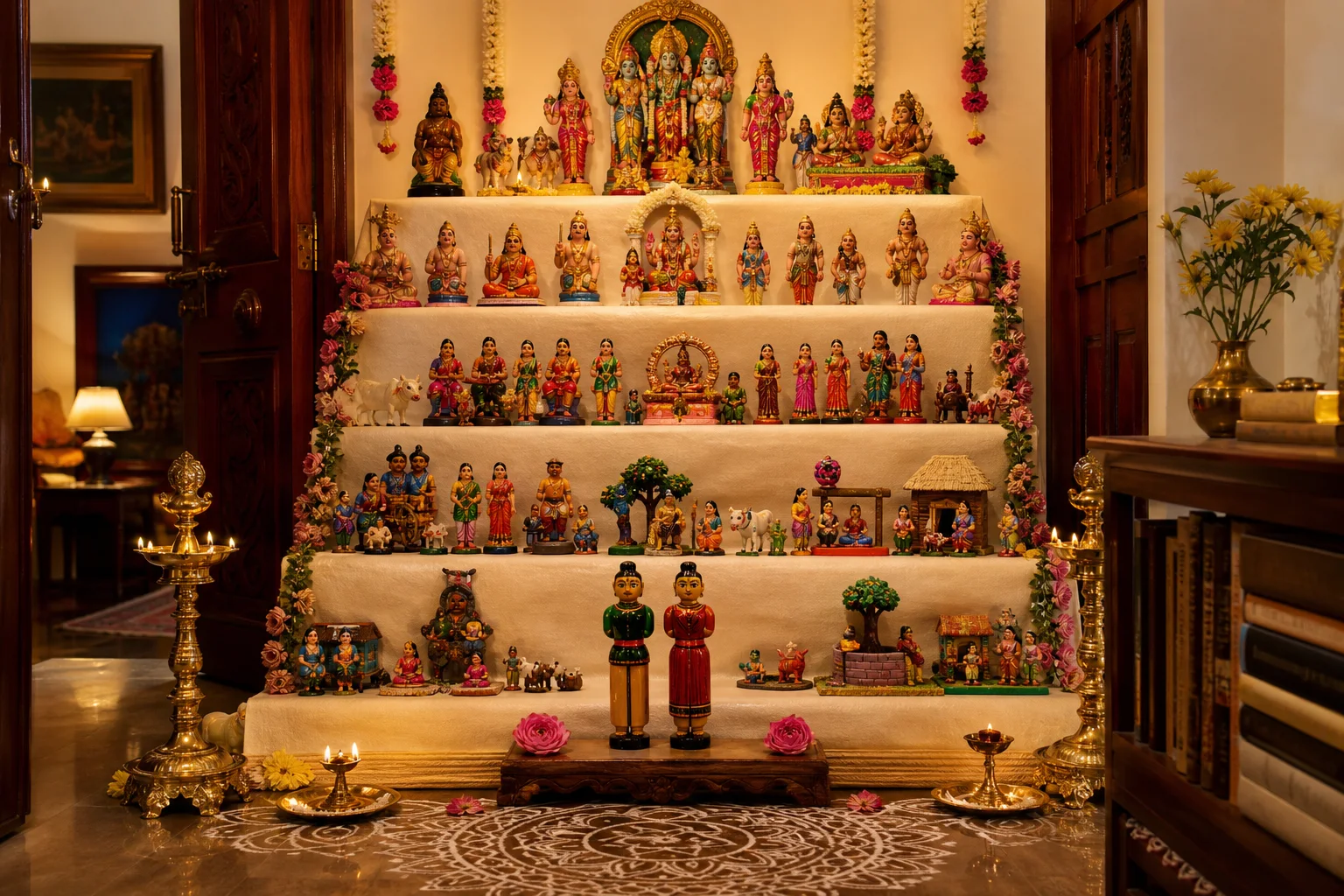
Navaratri Golu in Tamil Nadu: Reading the Stories on the Steps
A respectful guide to the dolls, household creativity, visits, music, food and changing narratives that make Golu more than a decorative display.
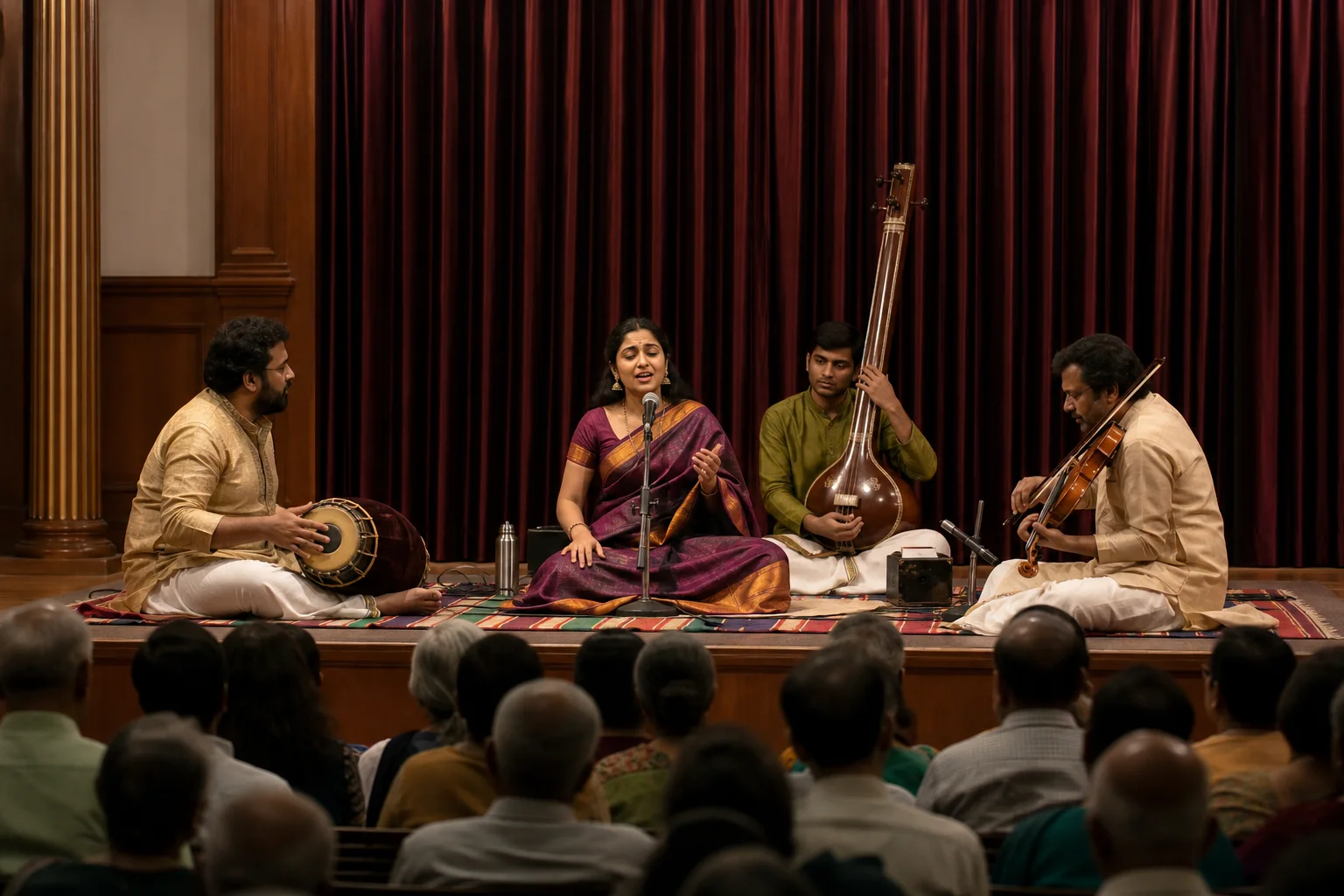
Chennai Music Season: A First Listener's Way In
A calm way to enter Chennai's distributed December concert season without trying to understand every raga, artist or sabha at once.
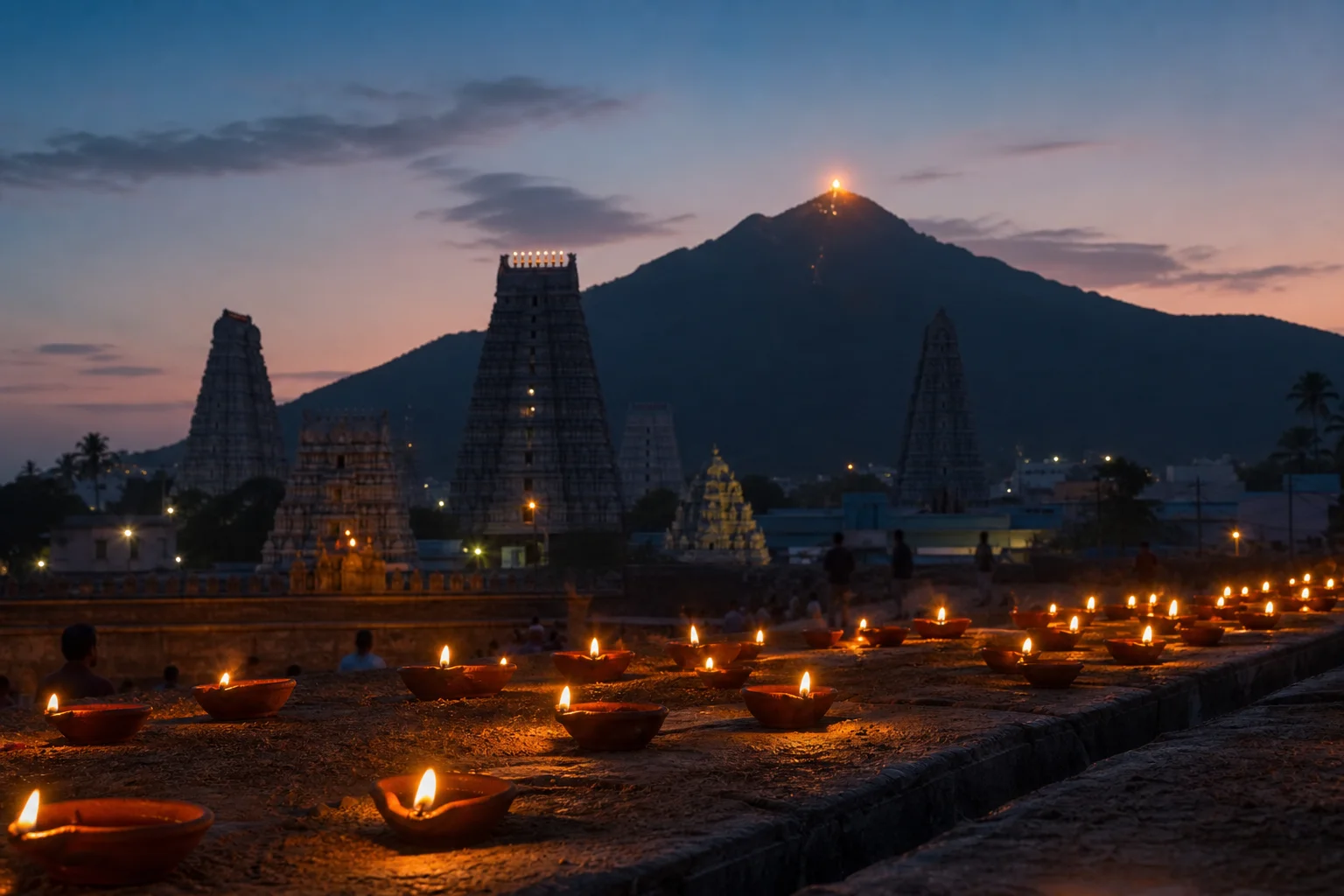
Karthigai Deepam in Tiruvannamalai: Hill, Temple and Town
A sacred-geography guide to Tiruvannamalai's festival of light, with clear boundaries between enduring meaning and changing public arrangements.
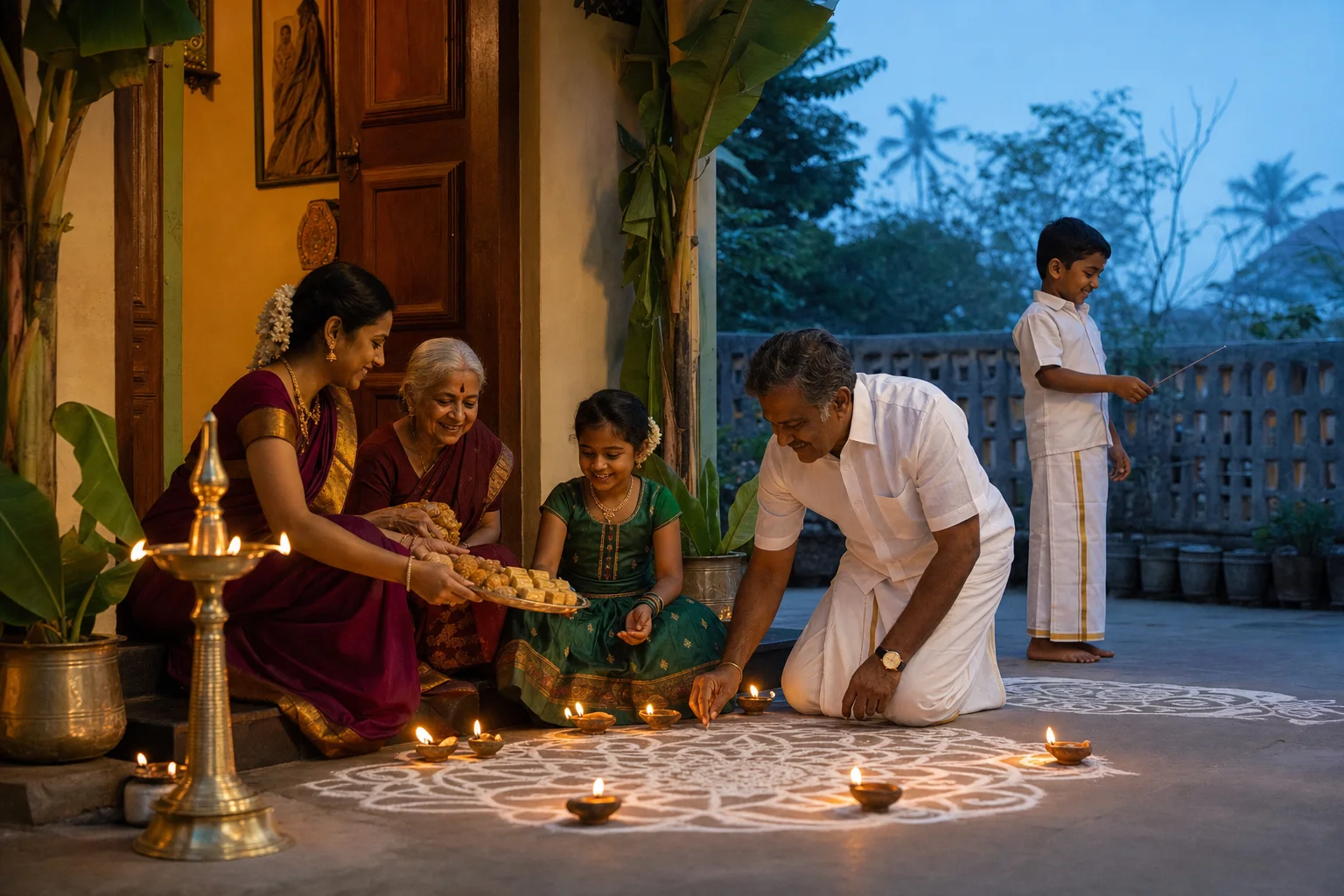
Deepavali in Tamil Nadu: Morning Rituals, Food and Shared Safety
A household-centred guide to the festival of light that respects regional variation and keeps safety, neighbours and current public rules in view.
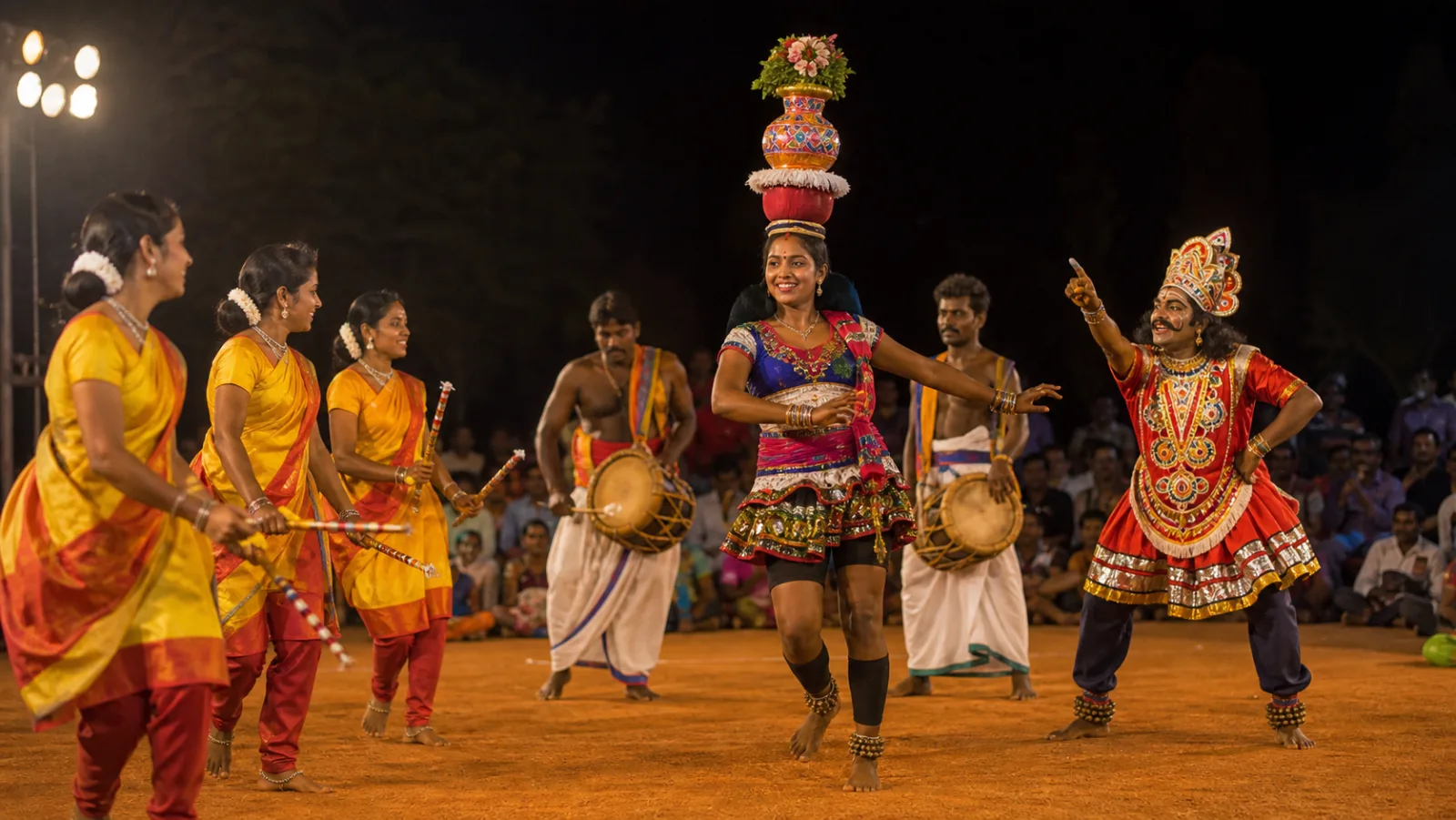
Tamil Folk Arts: How to Watch a Performance with Context
A first-audience guide to recognising form, music, story and artist labour without flattening Tamil folk performance into festival spectacle.
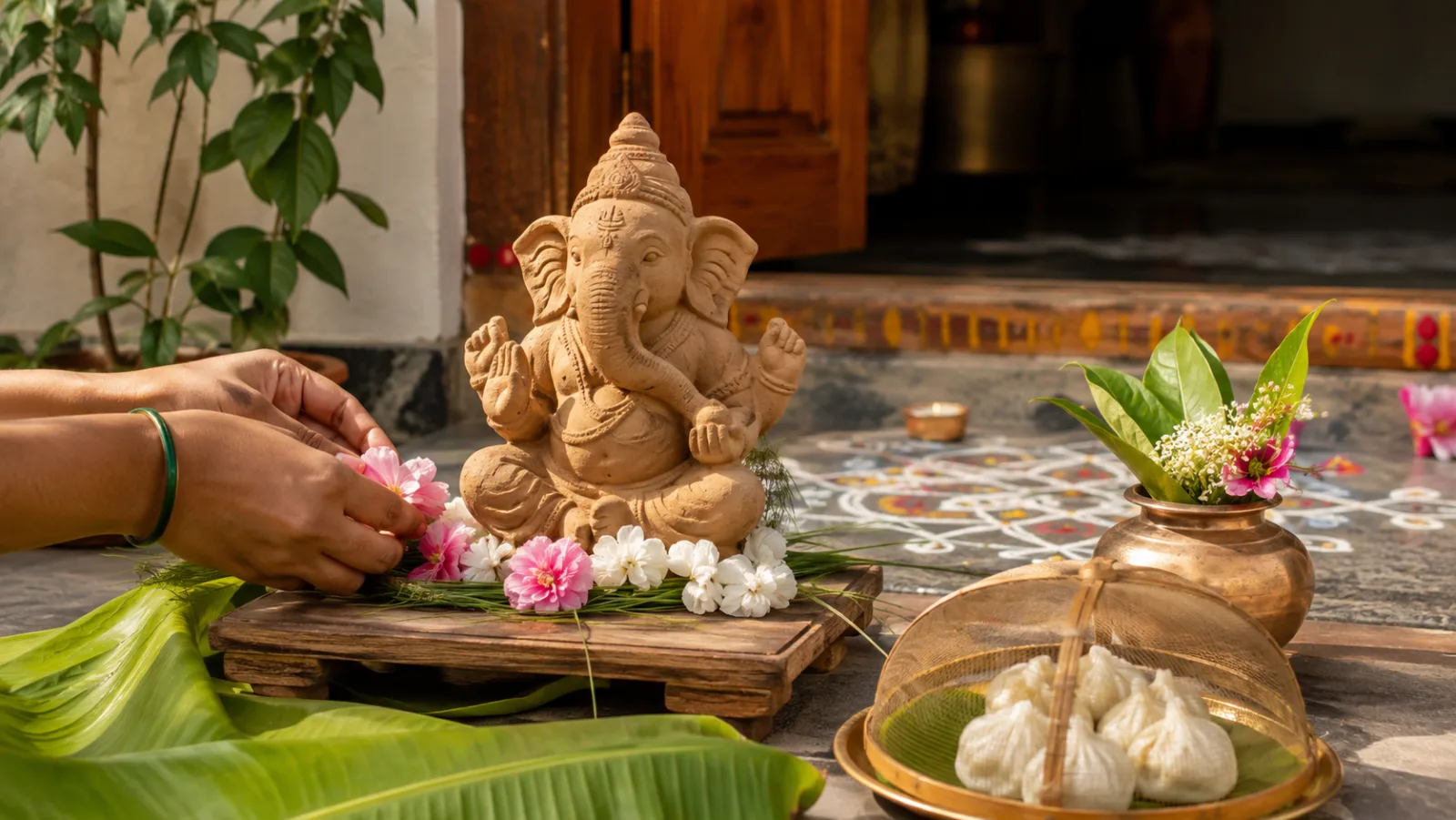
Vinayagar Chaturthi in Tamil Nadu: Clay, Kozhukattai and Care
A respectful festival guide connecting household preparation, temple traditions, food and water responsibility without turning one practice into a universal rule.
Frequently asked questions
Does Tamil Nadu have one official festival calendar?
No single list captures household, community, temple and civic observances in all places. Use official organisers for named events and temple programmes.
Why do some festival dates change each year?
Different observances can follow solar, lunar, Tamil-month, star or temple-specific calendrical rules. Verify the current year's date rather than copying a previous programme.
Is Pongal celebrated in the same way everywhere?
No. Broad harvest themes and familiar practices connect many celebrations, but region, household, occupation and community shape emphasis and form.
Can visitors attend a Golu display?
Only when invited or when an institution advertises a public display. A household Golu is private unless the host welcomes visitors; ask before taking photographs.
Where should I verify a temple festival?
Use the named temple's official site or HR&CE channel, then check relevant district and transport notices for current arrangements.
Editorial attribution
Prepared and reviewed by My Tamil Nadu Editorial Desk. Modified 15 August 2026.