Begin with one hill and several records
Sittannavasal, also written Chithannavasal in some official tourism pages, lies in Pudukkottai district. Its significance is distributed across a rock-cut Jain temple often called Arivar Koil, surviving paintings, a natural cavern known as Ezhadippattam, stone beds and Tamil-Brahmi inscriptions.
Those elements should not be collapsed into one event or century. A rock shelter can preserve an early inscription, while a cut temple and painted layer belong to other architectural and art-historical questions. Proximity creates a landscape relationship, not automatic contemporaneity.
The district's heritage page places Sittannavasal among Pudukkottai's caves, paintings, inscriptions and Jain sites. Use the district overview to understand regional density, then give the individual monument the slower attention required by fragile surfaces and uneven hill terrain.
Sources for this section: Sittannavasal, Pudukkottai heritage.
Identify the protected components precisely
Government lists identify two centrally protected components at Sittannavasal: the rock-cut Jain temple and the natural cavern with stone beds and Brahmi and old Tamil inscriptions called Ezhadipattam. Protection language should name the monument rather than suggesting that every nearby recreation feature has the same status.
A protected monument remains vulnerable. Legal designation does not make plaster, pigment or inscriptions physically resilient. Visitor limits, barriers, restricted photography and closure can be conservation tools, and an older travel report cannot override instructions given by Archaeological Survey of India staff on the day.
Do not publish a boundary map or access claim without a current authoritative source. The hill, protected monuments, visitor facilities and surrounding village occupy related space but may be managed differently. Ask which authority controls the area you intend to enter or photograph.
Sources for this section: Protected monuments rules, Centrally protected monuments.
Read the paintings as fragile fragments
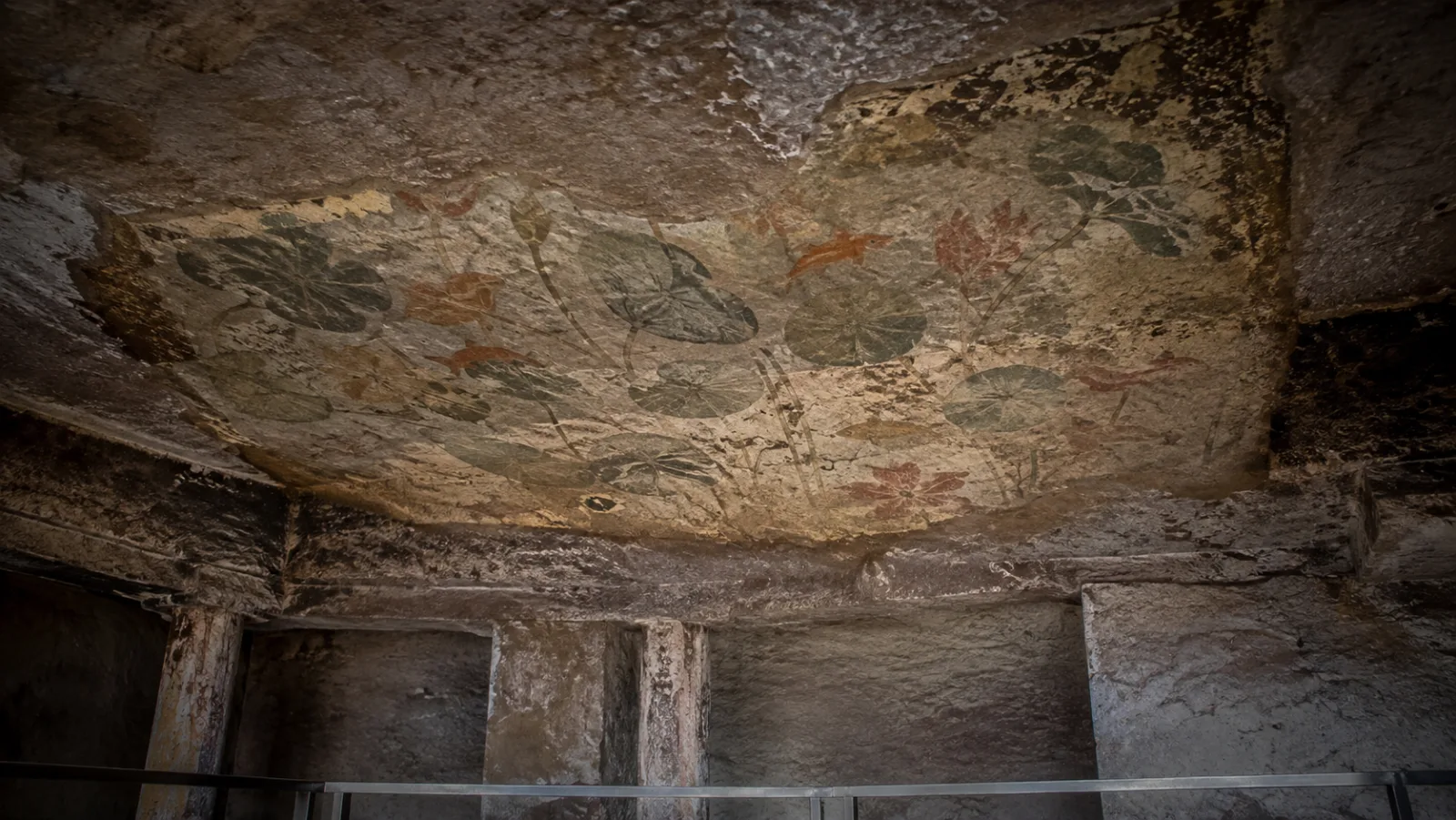
The surviving paintings are widely associated with lotus-pool imagery and figures on the cave's painted surfaces. What remains is fragmentary, altered by time and conservation history. A visitor should not expect the saturated, complete ceiling often produced by digital enhancement, illustration or memory.
Official district text uses terms such as fresco and herbal painting, while technical study of Sittannavasal has a specialised scholarly history. Painting technique, material and date are not safely resolved by repeating a tourism adjective. This article therefore avoids claiming that all colour came from herbs or naming one technique as uncontested.
Low light and restricted viewing can protect the surface. Never use flash, touch plaster, lean across a barrier or breathe close to a painted area for a photograph. See loss, cracks and fading as part of the conservation reality, not as defects that staff should brighten for visitors.
Sources for this section: Sittannavasal, Tamil Nadu archaeological perspective.
Connect the cave to an inscription landscape
Tamil Nadu's Department of Archaeology identifies a Tamil-Brahmi rock-bed inscription at Sittannavasal and dates it to the first century BCE. It belongs to a broader distribution of Tamil-Brahmi inscriptions on natural caverns and rock beds across the state.
An inscription is not decorative handwriting. Script, language, personal names, surface, location and palaeographic comparison all contribute to interpretation. Do not trace letters with a finger, chalk, water or digital projection, and do not carve a modern name beside an ancient record.
The early inscription should not be used to date every nearby painting or architectural feature. Instead, it shows that the hill landscape contains evidence of Jain association across layered contexts. The responsible conclusion is continuity of significance with chronological differences still visible.
Sources for this section: Tamil-Brahmi inscriptions, Protected monuments rules.
Avoid comparisons that replace the site
Sittannavasal is often compared with Ajanta in promotional language. A comparison may draw attention to mural importance, but it can also make one site meaningful only through another. The two landscapes, religious histories, scales, dates, painting programmes and conservation conditions require their own evidence.
Likewise, a royal name or dynasty should not become a universal label for every layer. Pudukkottai district history discusses Pandya, Pallava, Mutharaiyar and other political contexts, while the district tourism page gives a simpler attribution. Where scholarly dating is complex, acknowledge the disagreement rather than selecting the neatest caption.
Describe what the authoritative record supports: a Jain rock-cut monument, fragile painted surfaces, stone beds and inscriptions in a significant Pudukkottai hill setting. Leave disputed authorship, exact technique and phase relationship open for specialist sources instead of converting them into travel certainty.
Sources for this section: Pudukkottai history, Sittannavasal, Tamil Nadu archaeological perspective.
Make conservation the structure of the visit
Confirm current opening, ticketing, photography, hill access and facility status through the responsible authority. The district page includes prices and visitor features, but live details can change; this article does not reproduce them. Carry water and sun protection while keeping food and waste away from the monument.
The route may include uneven rock, steps, heat and limited interior space. Travellers with mobility, respiratory or sensory needs should ask about actual surfaces, inclines, lighting and waiting arrangements. Do not promise complete accessibility from a road distance or gallery photograph.
A successful visit leaves no new mark. Keep hands off stone and plaster, lower the voice inside the chamber, obey group limits and record questions outside. Connect the site to Pudukkottai's wider heritage only after allowing Sittannavasal's Jain, epigraphic and painted layers to remain distinct.
Sources for this section: Sittannavasal, Centrally protected monuments.
Sources & Further Reading
These authoritative references support the historical, geographic, or seasonal context in this story. Current conditions and operating details still require a fresh official check.
- Chithannavasal · Pudukkottai District Administration, Government of Tamil Nadu
- Heritage Tourism · Pudukkottai District Administration, Government of Tamil Nadu
- History · Pudukkottai District Administration, Government of Tamil Nadu
- Inscriptions in Thamizhi (Tamil-Brahmi) Script · Tamil Nadu Department of Archaeology
- Tamil Nadu: An Archaeological Perspective · Tamil Nadu Department of Archaeology
- Ancient Monuments and Archaeological Sites and Remains Rules · Ministry of Culture, Government of India
- Centrally Protected Monuments and Sites: State-wise List · Archaeological Survey of India
Related Stories
Keezhadi Beyond the Headline: How to Read an Excavation
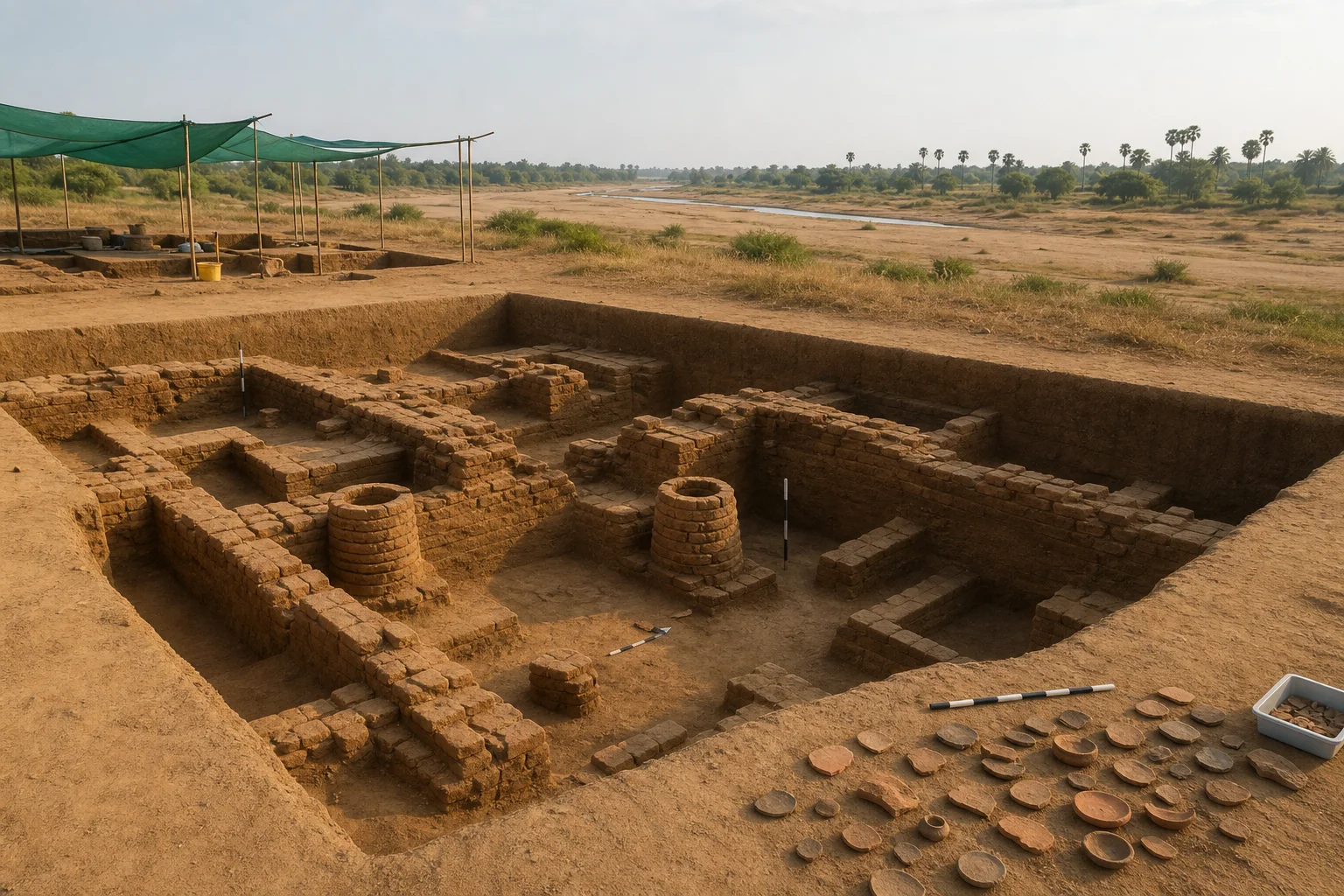
A practical guide to what excavated walls, pottery, ring wells, inscriptions and laboratory dates can tell us, and where interpretation must remain cautious.
Adichanallur to Korkai: Reading the Tamiraparani Archaeology Landscape
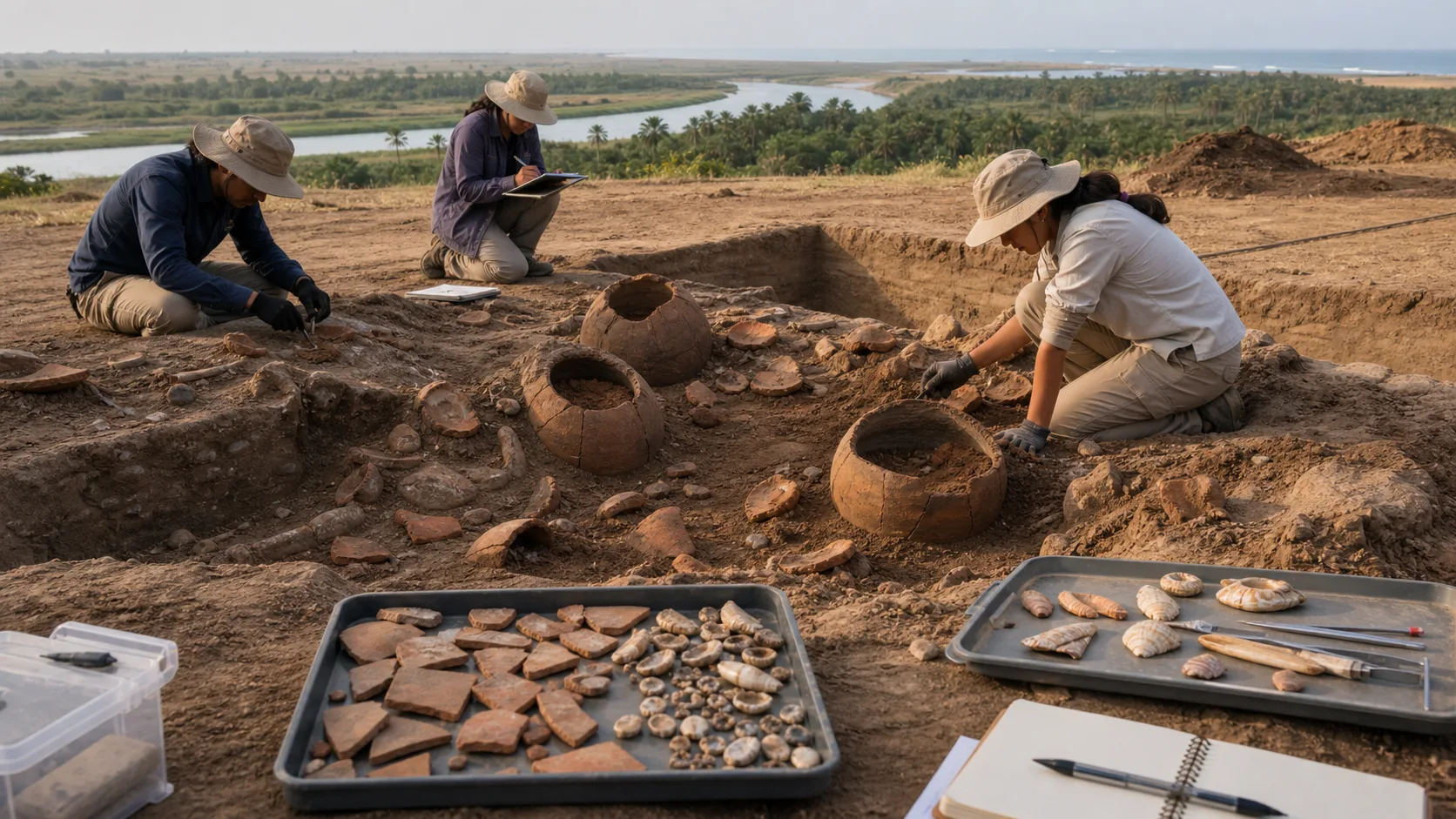
An evidence-first guide to a river-to-coast archaeological landscape where burial, habitation, craft and maritime activity answer different questions.
Chennai Government Museum: Read a Campus of Collections
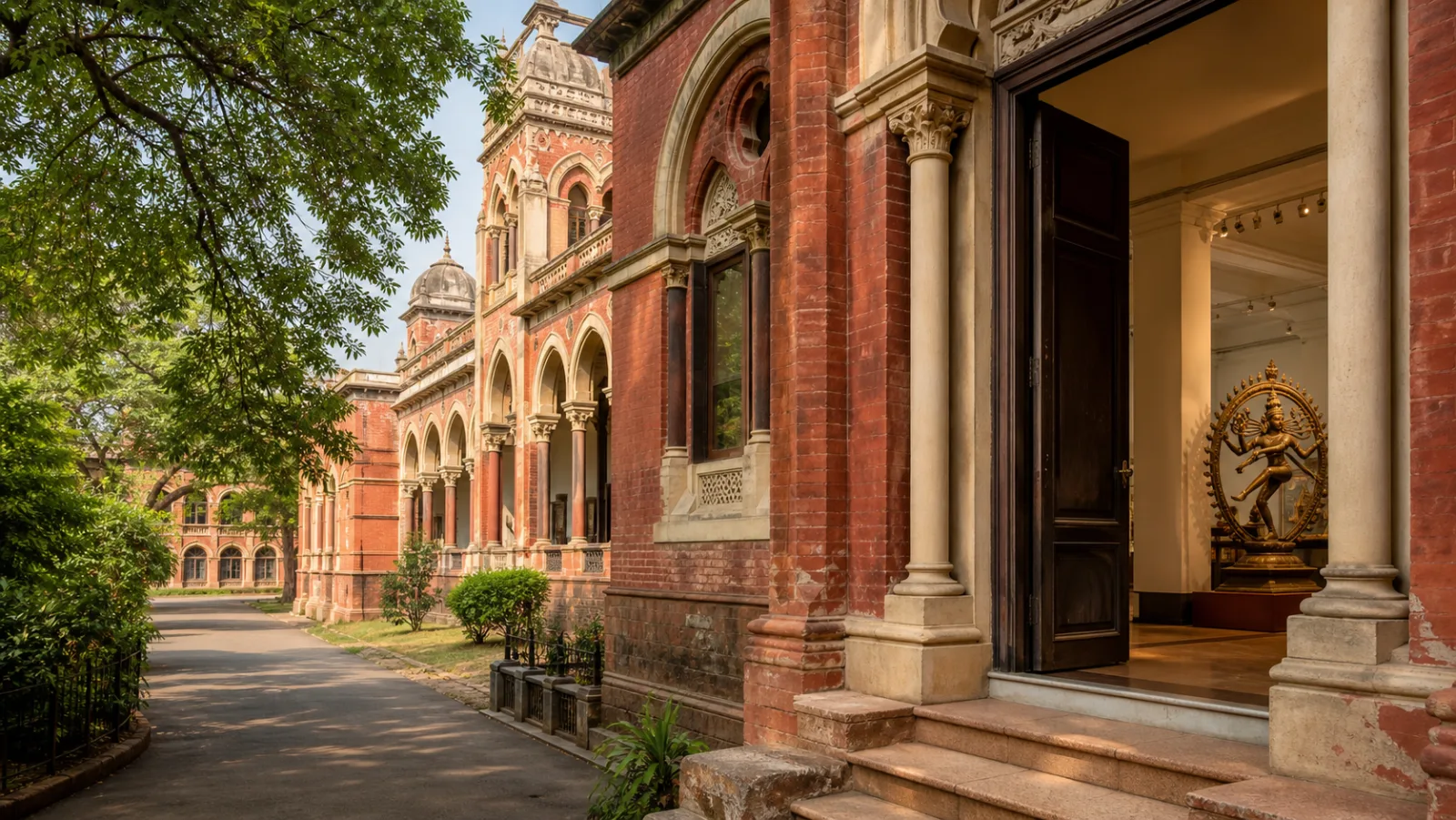
A first-visit method for reading the Egmore museum as an evolving campus of architecture, archaeology, bronzes, inscriptions and public education.
Frequently asked questions
Are all features at Sittannavasal from the same period?
No. The cave, paintings, natural cavern, beds and inscriptions require separate chronological evidence.
Are the Sittannavasal paintings simply Tamil Nadu's Ajanta?
That promotional comparison can obscure important differences. Read Sittannavasal through its own Jain, Pudukkottai and conservation contexts.
Does this guide confirm current tickets or photography rules?
No. Verify current access, fees and photography restrictions with the responsible authority before visiting.
Editorial attribution
Prepared and reviewed by My Tamil Nadu Editorial Desk. Modified 3 September 2026.