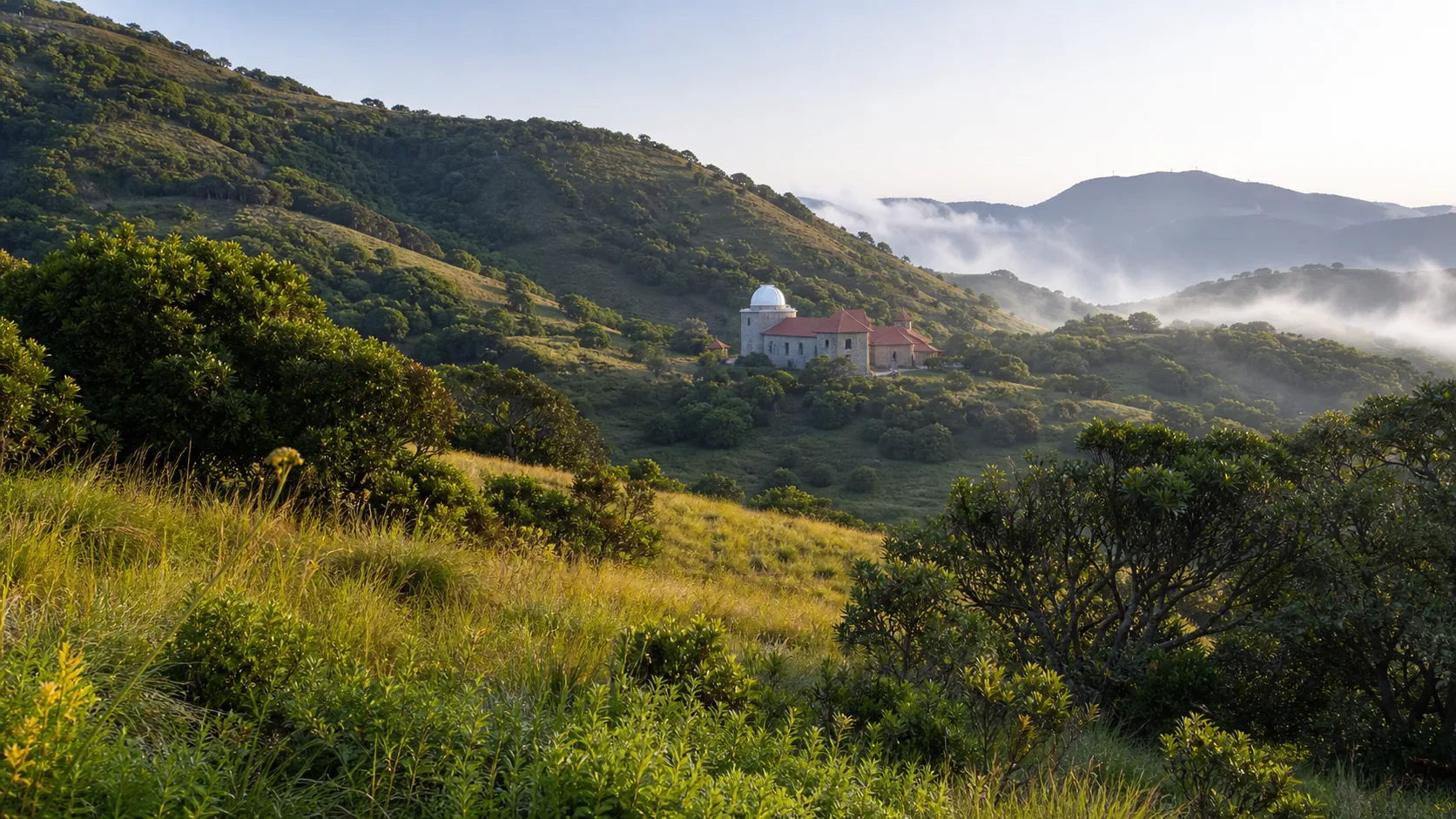
The lake is a landmark, not the whole landscape
Kodaikanal occupies the upper Palani Hills within the Western Ghats. The town's lake, paths and viewpoints organise many visits, but the ecological story extends into slopes, valleys, streams, forest patches, grasslands and protected areas. A visitor who sees only water and ornamental planting may miss the mountain system that makes the hill station possible.
District tourism material describes Kodaikanal as a high-elevation hill resort surrounded by rolling hills and wooded forest. That overview is practical, but it should not make every green slope seem equivalent. Native shola, grassland, plantations, gardens, roadside growth and invasive vegetation can look similarly green in a quick photograph while performing different ecological roles.
Begin by locating the town inside Dindigul district and the Palani Hills. Ask where water drains, which slopes retain native habitat and where entry is restricted. Landscape understanding starts with relationships, not with treating every viewpoint as an isolated attraction.
Sources for this section: Kodaikanal district guide, Tamil Nadu forests policy note.
Learn to recognise a shola-grassland mosaic
Sholas are montane evergreen forest patches typically occupying sheltered valleys and folds, interspersed with rolling grasslands at higher elevations. Tamil Nadu's wetlands authority describes this broader form in the Nilgiris, Anamalais, Palani Hills and southern ranges. The mosaic matters because forest and grassland are complementary habitats, not a simple before-and-after sequence.
A treeless slope is therefore not automatically degraded land waiting to be planted. Native montane grassland has its own biodiversity and water functions. Conversely, a dense stand of introduced trees is not automatically equivalent to native shola. Identifying a species or habitat from a distant tourist photograph is risky, so use interpretation from forest and research institutions.
Stay on lawful public paths. Entering a dark forest patch for a more natural photograph can damage edges, spread seeds, disturb wildlife and expose the walker to unsafe terrain. Never publish the precise location of a sensitive species encounter, and do not play bird calls or feed animals to manufacture activity.
Sources for this section: Shola landscape overview, Tamil Nadu forests policy note.
Read water as a catchment question
Mist, rainfall, soil, vegetation and drainage link uplands with springs and streams. A lake-edge photograph captures stored water, not the entire catchment process. Paving, litter, wastewater, slope disturbance and vegetation change can affect water movement far beyond the place where a visitor notices a problem.
Responsible travel begins with ordinary decisions: refill a bottle where safe, avoid single-use packaging, use established toilets, never wash products in streams and keep waste until it reaches a proper collection point. A biodegradable label does not make an item appropriate to leave in a forest or waterbody.
Waterfall flow, lake condition and road access change with weather and management. Do not travel toward a fall because an old video shows heavy water. Check current district, police, forest and weather information, and accept a closure or barrier without negotiating for a shortcut.
Sources for this section: Kodaikanal district guide, Tamil Nadu forests policy note.
The Solar Observatory changes the scale of the story
The Indian Institute of Astrophysics traces the Kodaikanal Solar Observatory to a decision in 1893 and its establishment at the end of the nineteenth century. Solar observations began in the early twentieth century, creating one of the world's longest continuous collections of solar images. The site links Kodaikanal with the history of modern observational science in India.
John Evershed's 1909 observation of radial motion in sunspots, now called the Evershed effect, is a major chapter in that history. The achievement should be read through instruments, plates, patient daily observation, technicians, astronomers and data stewardship rather than reduced to one heroic discovery moment.
The observatory remains a research institution, not a scenic public park. Museum hours, tours, telescope access and campus rules can change. Check the Indian Institute of Astrophysics directly, arrive only within confirmed public arrangements and never photograph instruments, records or restricted areas against staff instructions.
Sources for this section: IIA observatory history, Kodaikanal Solar Observatory, KSO 125-year record.
Science heritage and ecological care share one hill
The observatory's location was chosen for observational conditions, and its long archive turns place into scientific infrastructure. Around it, mountain vegetation, atmospheric clarity, artificial light, roads and settlement continue to shape the hill environment. Science heritage is therefore not separate from landscape stewardship.
Avoid presenting clear skies as guaranteed or mist as a failure. Cloud, moisture and seasonal change belong to mountain systems, while astronomy requires particular observing conditions and instruments. A public visitor is not promised a live solar event, night viewing or access to a research telescope simply by reaching Kodaikanal.
Use the museum and official interpretation to understand methods, then let outdoor observation remain modest: cloud form, vegetation pattern, slope and changing light. Never look directly at the Sun or improvise a solar filter. Solar viewing requires equipment and supervision designed for that purpose.
Sources for this section: Kodaikanal Solar Observatory, KSO 125-year record, Tamil Nadu forests policy note.
Plan a flexible hill day rather than a rigid checklist
Choose one ecological question, one town walk and one indoor or institutional stop. A route might compare visible habitat patterns, visit the astronomy museum only if public access is confirmed, and end with a short established walk. This is more resilient than linking distant viewpoints into a timetable with no weather margin.
Hill roads can be slow, and parking pressure can damage both visitor experience and local life. Use available public or shared transport where practical, avoid stopping in travel lanes and never pressure a driver to overtake unsafely. E-pass, vehicle, forest and seasonal rules are live information and are intentionally not reproduced here.
Leave Kodaikanal with three connected ideas: a hill town depends on a catchment; green cover contains different habitat histories; and a century-long scientific record can grow from repeated observation in one place. That is a richer memory than counting viewpoints reached before sunset.
Sources for this section: Kodaikanal district guide, Kodaikanal Solar Observatory.
Sources & Further Reading
These authoritative references support the historical, geographic, or seasonal context in this story. Current conditions and operating details still require a fresh official check.
- Kodaikanal · Dindigul District Administration
- History: Solar Observatory at Kodaikanal · Indian Institute of Astrophysics
- Kodaikanal Solar Observatory · Indian Institute of Astrophysics
- Kodaikanal Solar Observatory Celebrates 125 Years of Studying the Sun · Press Information Bureau, Government of India
- Forest Department Policy Note 2024-2025 · Tamil Nadu Forest Department
- Longwood Shola Reserved Forest · Tamil Nadu State Wetlands Authority
Related Stories
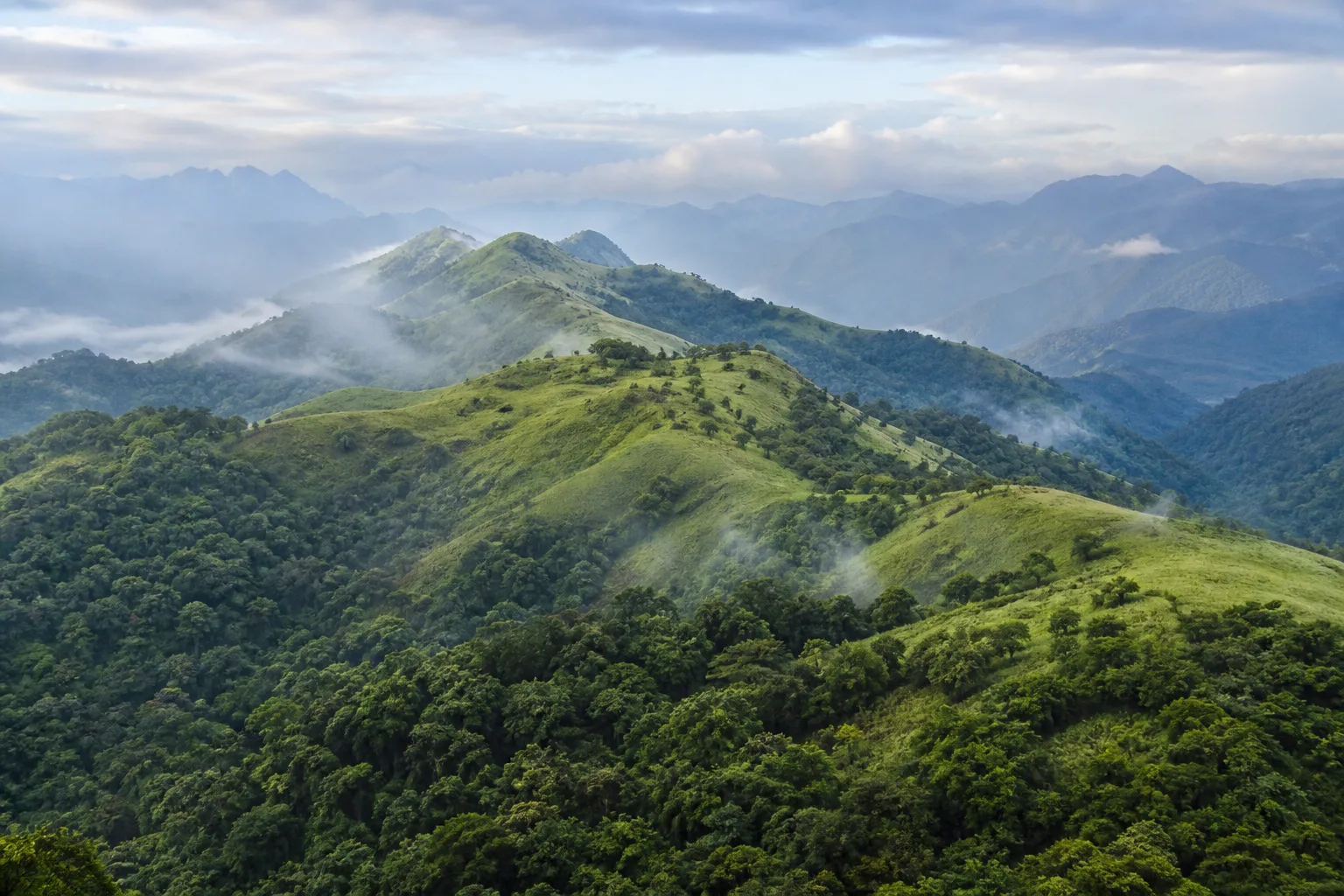
The Western Ghats of Tamil Nadu: Through Hills, Forests and Living Landscapes
A mountain journey through the Nilgiris, Anamalai and Palani Hills, reading elevation, forest, water, wildlife habitat and human settlement as one connected landscape.
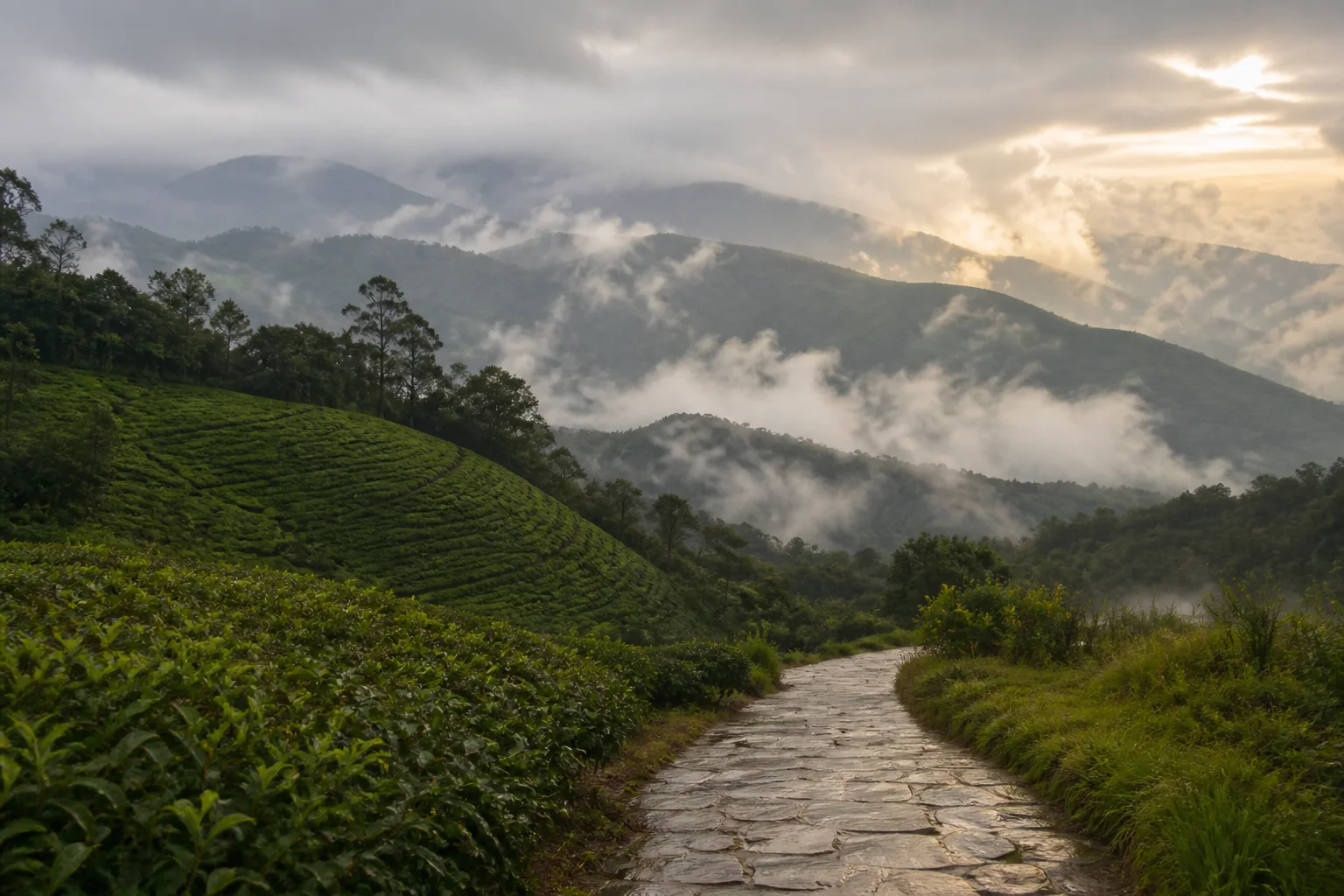
Tamil Nadu in the Late Southwest Monsoon: Where to Travel in August and September
A weather-aware way to choose between Tamil Nadu's hills, heritage cities, waterfalls, and coast during August and September.
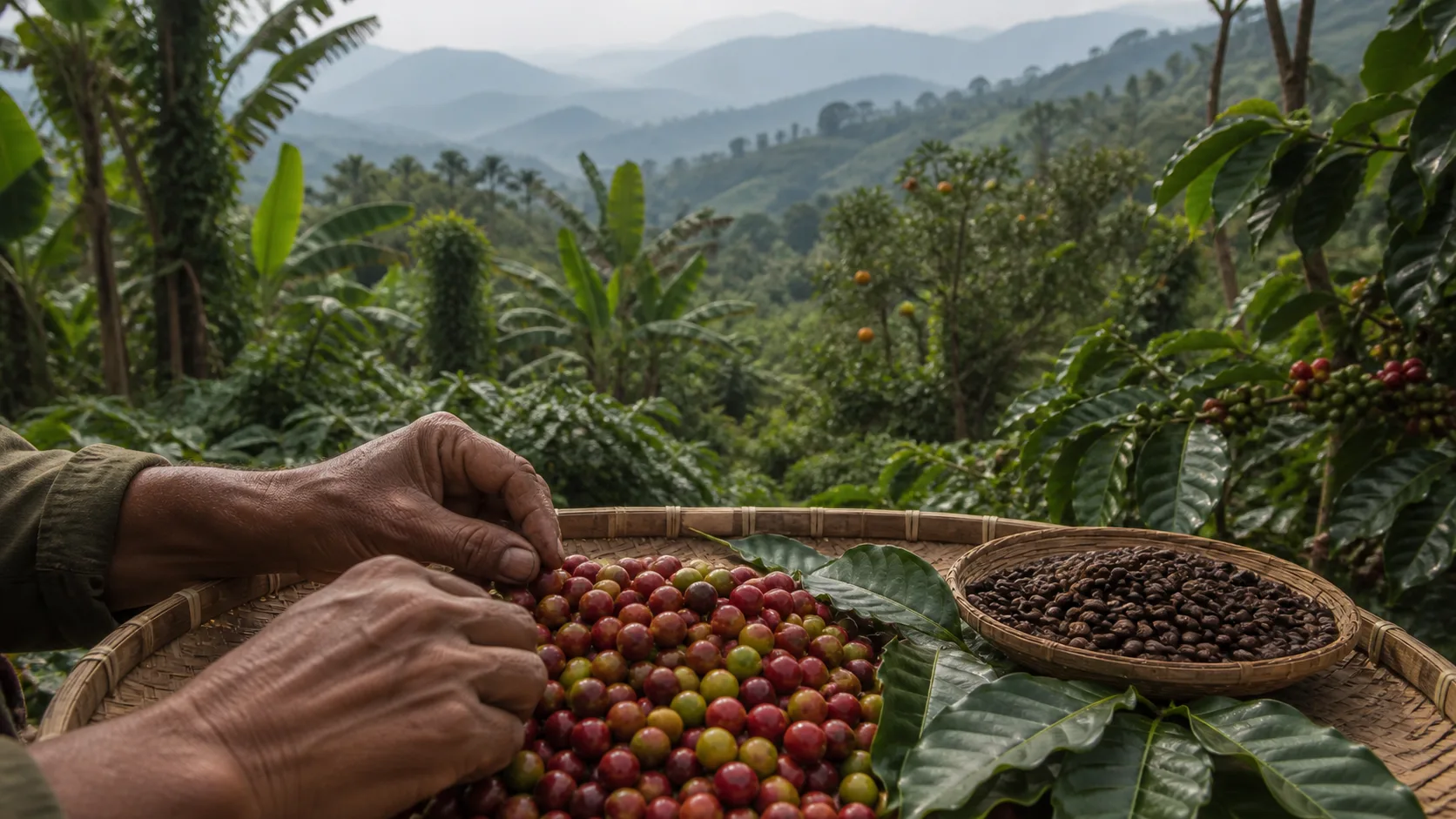
Tamil Nadu Coffee: Read Four Mountain Origins Before the Cup
A regional coffee guide that moves beyond degree coffee and café style to compare mountain origins, farm systems, processing and evidence on a packet.
Frequently asked questions
Is every green patch around Kodaikanal native shola?
No. Native shola, montane grassland, plantations, gardens and introduced vegetation are different, and distant visual identification is unreliable.
Can visitors always enter the Kodaikanal Solar Observatory?
No. Public access, museum hours and programmes must be confirmed with the Indian Institute of Astrophysics.
Does this article confirm current e-pass or road rules?
No. Check current district, transport, police and forest notices close to travel.
Editorial attribution
Prepared and reviewed by My Tamil Nadu Editorial Desk. Modified 30 August 2026.