Kaveri-Bhavani river country, textiles and western trade
Erode District: History, Places and Travel Guide
Erode district is shaped by the Kaveri and Bhavani systems, a major textile and agricultural trading city, Bhavani's river confluence, handloom centres, turmeric commerce, farming towns and the Sathyamangalam forest landscape. Tiruppur has been a separate district since 2009, so Dharapuram and Kangayam do not belong in current Erode routes.On this page
District overview
Understanding Erode district
Current Erode includes Erode, Bhavani, Perundurai, Kodumudi, Gobichettipalayam, Sathyamangalam, Anthiyur, Thalavadi, Modakkurichi and Nambiyur taluks.[erodeAbout]
The 2008 reorganization transferred Dharapuram, Kangayam and other areas to new Tiruppur district. Historical Erode and the present boundary are therefore not interchangeable.
Why it matters
Why explore Erode?
The meeting of the Bhavani and Kaveri at Bhavani connects river geography to living worship and settlement.
Erode's textile, dyeing, trading and agricultural networks show how a district economy links farms, handlooms, power-driven production, wholesale markets and transport.
Sathyamangalam adds a nationally important protected landscape and corridor context that should never be treated as an unrestricted wildlife drive.[tnForest8c]
Land and water
Geography and regional identity
The district slopes toward the Kaveri in the southeast, with the Bhavani and Noyyal draining different parts of the region.[erodeAbout]
Northern and western tracts rise toward Sathyamangalam and the Tamil Nadu-Karnataka border, where forest and wildlife-corridor conditions differ from the plains.
Rivers, reservoirs and canals support agriculture and settlements but have controlled and season-dependent access.
Evidence and change
Historical overview
The Erode region belonged to the broader historical Kongu country and passed through several political regimes, including Chola, Pandya, Hoysala, Vijayanagara, Nayak, Mysore and Company contexts.[erodeAbout]
Kongu is a cultural-historical region, not a present administrative unit; each monument and inscription requires local dating.
Erode district was created from Coimbatore district in 1979 and reorganized when Tiruppur district was formed in 2009.
Weaving and trade histories deserve attention alongside dynastic narratives because they shaped towns, labour and the district's modern identity.
Continue with Tamil Nadu history →Within the district
Cities, towns and local centres
These are district contexts, not newly created destination pages.Erode
Textile trade, markets, transport and civic life anchor the city.
Bhavani
Sangameswarar Temple, handloom and Kaveri-Bhavani geography meet here.
Gobichettipalayam
Farming, markets and routes toward the northern district define the town.
Sathyamangalam
A gateway to protected landscapes, not permission to enter them.
Perundurai
Manufacturing and highway-linked growth form a modern context.
Kodumudi
River, agriculture and living temples shape the southeastern edge.
Living and protected places
Temples and spiritual places
Sangameswarar Temple, Bhavani
A living Shaiva site at the river confluence; current ritual and flood conditions matter.
Magudeshwarar and Veera Narayana context, Kodumudi
A Kaveri-side sacred complex requiring respectful current planning.
Chennimalai Murugan Temple
A hill temple and weaving-town context; verify road, steps and worship arrangements.
Bannari Mariamman context
A forest-edge living pilgrimage site where festival and traffic controls can change.
Interpret carefully
Heritage and architecture
Bhavani confluence
A living sacred and hydrological landscape rather than only a scenic viewpoint.
Handloom towns
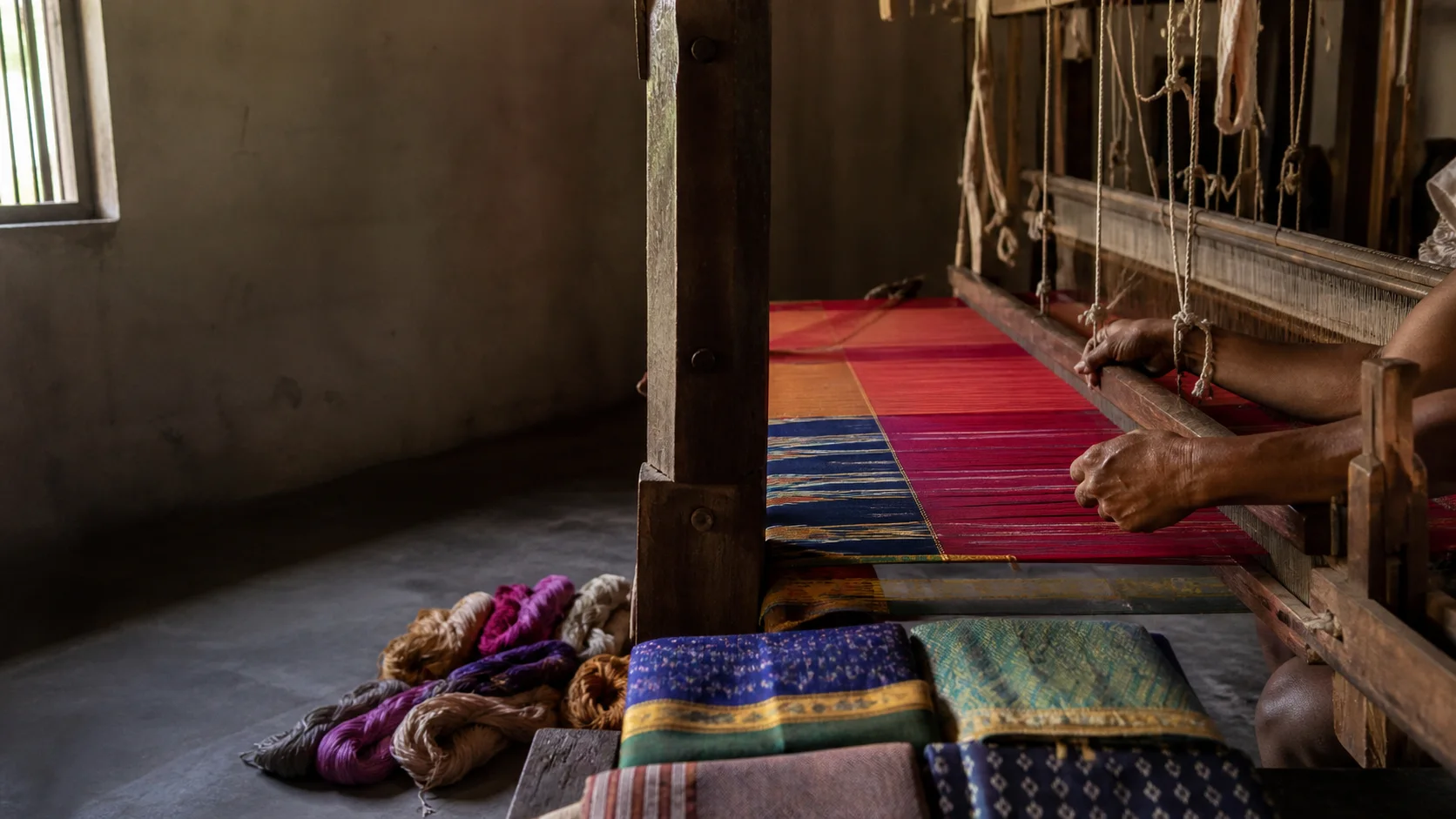
Bhavani and Chennimalai connect design, labour, cooperatives and markets.
Kongu inscriptions and temples
Evidence must be assigned site by site.
Irrigation landscapes
Dams, canals and river towns are working infrastructure.
Living knowledge
Culture, food and regional products
Culture and festivals
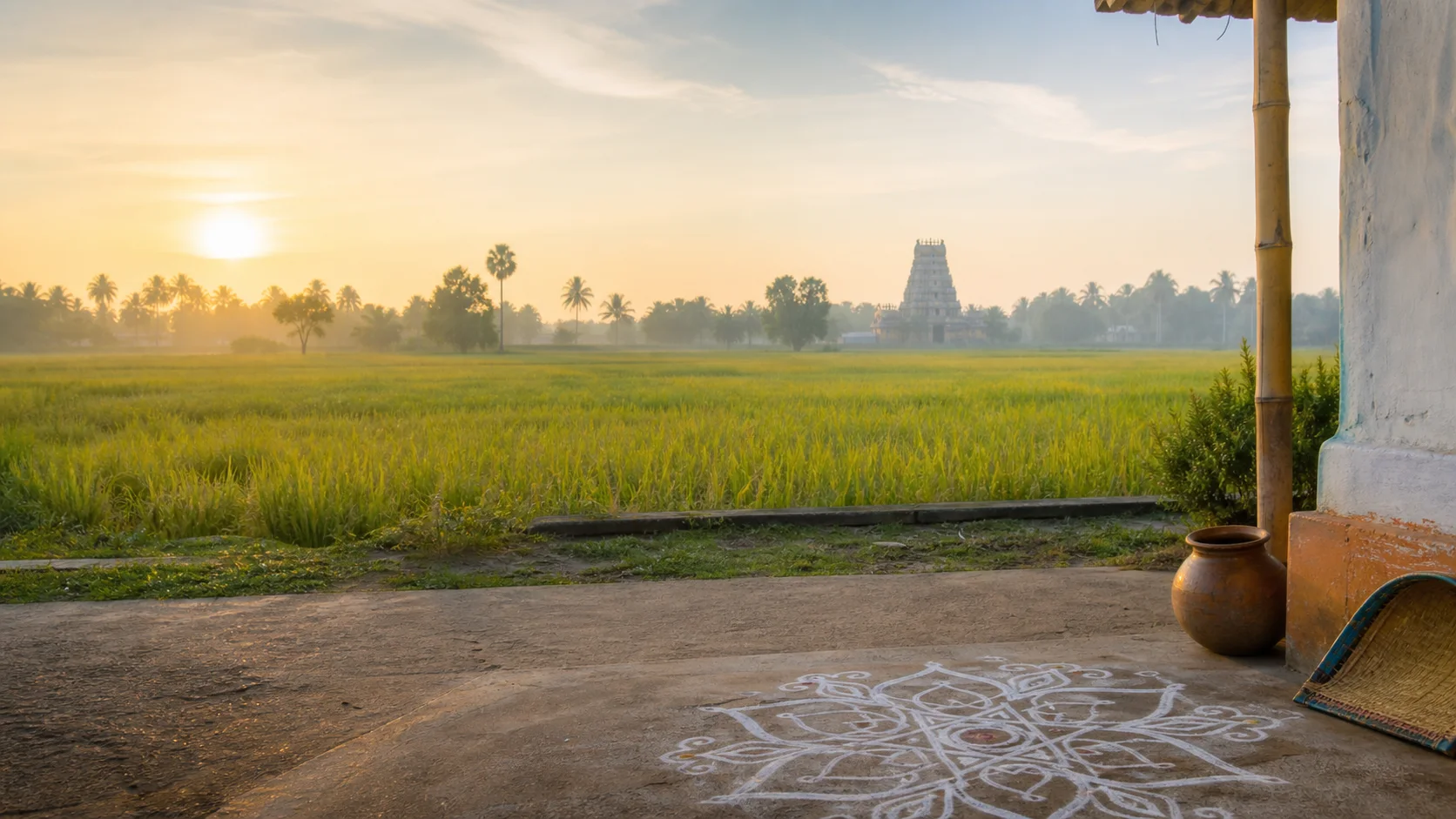
Weaving knowledge, temple observances, agricultural markets, river worship and western Tamil speech communities contribute different cultural layers.
Kongunadu identity is broad and variable; Sathyamangalam border communities and Kaveri-side towns should not be represented as one homogeneous culture.
Festival dates and public access change annually and are not published here.
Food and cuisine
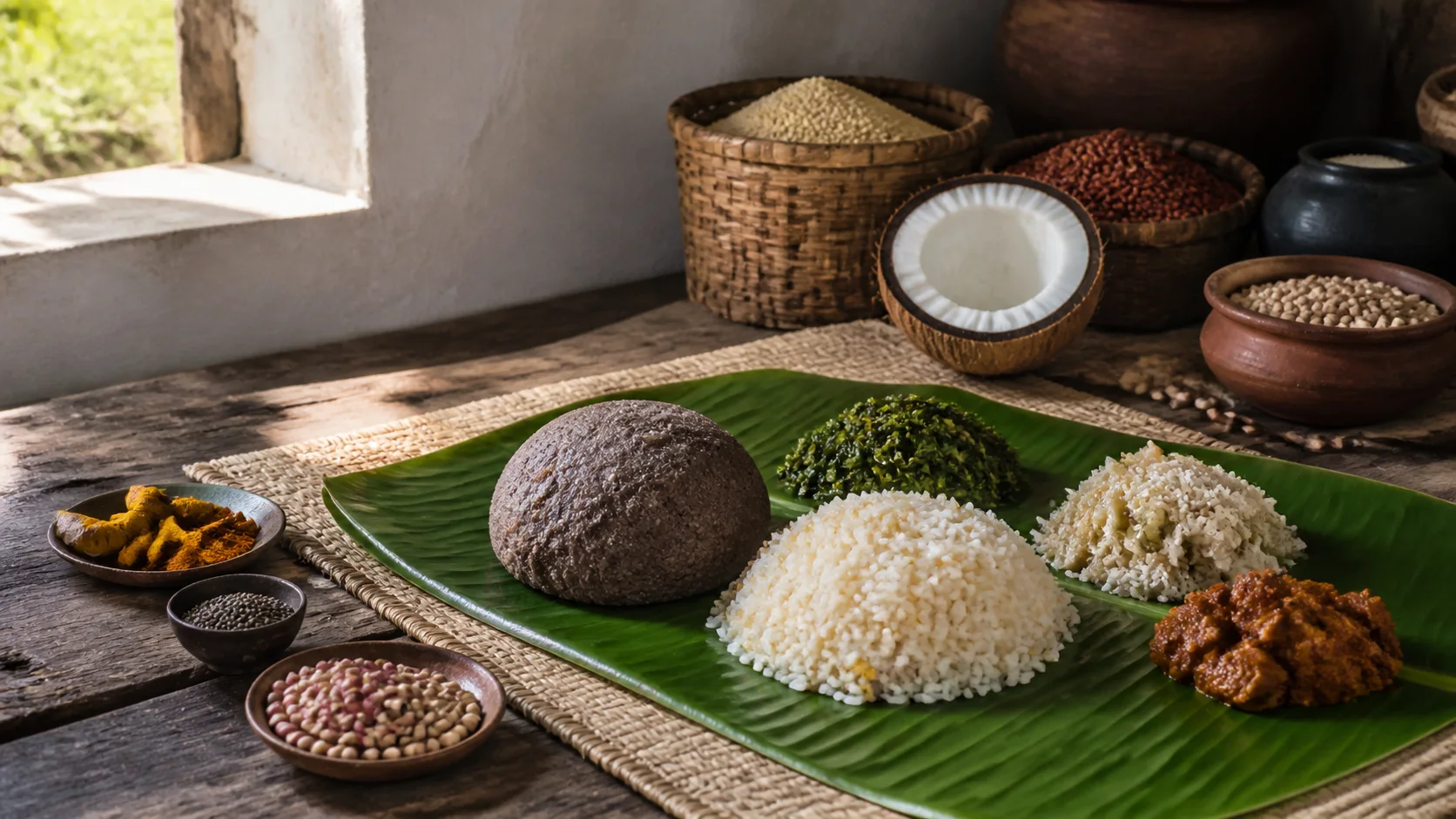
Erode food is connected to turmeric, grains, pulses, oilseeds, coconut, plantain and other crops moving through western markets.
Kongunadu cuisine offers a regional frame, but household and community repertoires vary across the district.
Erode Manjal is a registered GI; the registration does not authenticate every packet labelled Erode turmeric.[erodeTurmeric]
Making and provenance
Regional products and crafts
Erode Manjal (Erode Turmeric) is registered as an agricultural GI, and Bhavani Jamakkalam is registered as a handicraft GI.[erodeTurmeric][bhavaniGi]
Handloom cloth, bedspreads, towels and furnishing fabrics should be discussed through actual makers and cooperatives rather than generic authenticity language.
Textile processing and trade are important, but environmental, labour and wastewater contexts belong in any responsible economic account.
Landscape first
Nature and wildlife
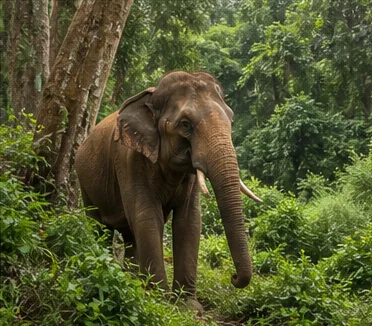
Sathyamangalam Tiger Reserve occupies protected forest in Erode district and connects larger Western and Eastern Ghats conservation landscapes.[tnForest8c]
No wildlife sighting, safari, road opening or forest entry is promised. Use only authorized routes and current forest guidance.
Bhavani, Kaveri, dams and canals are also ecological systems and working infrastructure, not guaranteed bathing or boating sites.
Work and change
Economy and livelihoods
Textiles, handloom, dyeing, agricultural markets, turmeric, food processing, manufacturing, transport and services support different centres.
River irrigation and forest conservation shape livelihoods alongside urban trade.
No live commodity price, production share, export number or ranking is asserted.
Build a coherent route
Places to explore in Erode
Erode city
Understand trade, civic life and transport.
Bhavani
Pair sacred geography with verified craft provenance.
Sathyamangalam
Follow current reserve and road rules.
Gobichettipalayam
Read farms and markets from permitted public settings.
Chennimalai
Connect living worship with textile labour.
Kodumudi
Plan around river and temple conditions.
Choose your pace
Things to do
Trace a textile
Ask about fibre, loom, dyer, maker and GI status.
Read a river confluence
Connect hydrology, worship and settlement at Bhavani.
Approach forests responsibly
Use authorized programmes and accept closures.
Compare trade towns
See why Erode, Gobi, Bhavani and Sathyamangalam differ.
Conditions, not promises
Best season and current checks
The plains can be hot and dry while northern forest roads receive different rain and visibility.
River flow, dam parks and forest routes require current authority checks.
This evergreen guide does not publish a forecast, road status, forest opening, train operation, festival date, crowd prediction or other live condition. Check responsible authorities close to travel.[imd8c]
Plan by days
Suggested duration
One day
Focus on Erode city and Bhavani, or one separate town cluster.
Two days
Use one textile-river day and one Gobi-Sathyamangalam-side day if conditions allow.
Three or more days
Add Kodumudi or Chennimalai without compressing protected forest travel.
Regional access
How to reach
By rail
Erode is a major rail junction; match other stations to the chosen town and verify service.
By road
Roads connect Coimbatore, Tiruppur, Salem, Namakkal and Karnataka-side routes.
By air
Confirm the practical regional airport and current onward transport.
Local movement
Getting around
Buses and autos serve towns; a planned vehicle helps with dispersed clusters. Forest-border travel needs current rules, not just navigation.
Map links support orientation only. Confirm actual routes, last-mile transport, accessibility, parking and return options locally.
Place-name links
Map of Erode district
No fabricated coordinates or heavy map embed are used.Map data is not embedded on this lightweight page. Open a place-name search in Google Maps for current roads, business details and directions.
Continue geographically
Nearby districts
Continue by subject
Related My Tamil Nadu guides
Practical planning
Save a district checklist
Saved only in this browser. No login or personal data is needed.
Questions
Frequently asked questions about Erode
Is Erode district the same as Erode city?
No. Erode city is one textile and trade centre within a district that reaches north through Bhavani and Sathyamangalam to forested borders.
How many days are useful for Erode?
Two days gives a focused introduction. Three or more days is better when hill, forest, industrial or distant town clusters are included.
Are opening hours, fares and current schedules listed?
No. Operational information changes and must be checked with the responsible district, temple, museum, forest or transport authority.
Can the whole district be covered in one day?
A district is an administrative area, not one attraction. Use a single day for one compact cluster.
What should be checked before travel?
Check river and dam access, protected-area roads, temple arrangements, heat, industrial boundaries and current transport.
Are the images documentary photographs?
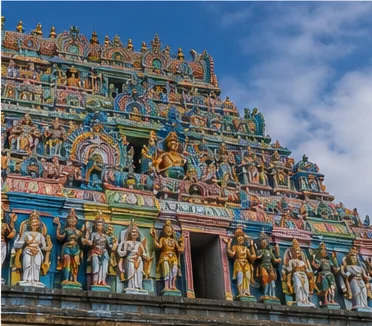
No. They are project-created editorial visuals and are labelled as non-documentary.
How does the map work?
It opens place-name searches in Google Maps without publishing guessed coordinates or loading a heavy embedded map.
Editorial trust
Sources and further reading
Major factual claims were checked against authoritative references. Last reviewed 9 August 2026.- About Erode districtErode District Administration · Official district profile and historyReviewed 9 August 2026
- Places of interest in Erode districtErode District Administration · Official district visitor recordReviewed 9 August 2026
- How to reach ErodeErode District Administration · Official district transport contextReviewed 9 August 2026
- Erode Manjal (Erode Turmeric)Intellectual Property India · Official GI recordReviewed 9 August 2026
- Bhavani JamakkalamIntellectual Property India · Official GI recordReviewed 9 August 2026
- Forests, protected areas and visitor contextTamil Nadu Forest Department · State governmentReviewed 9 August 2026
- GI registered handloom productsOffice of the Development Commissioner for Handlooms · Government handloom registerReviewed 9 August 2026
- National Train Enquiry SystemIndian Railways · Official transportReviewed 9 August 2026
- Regional Meteorological Centre ChennaiIndia Meteorological Department · Official weather authorityReviewed 9 August 2026