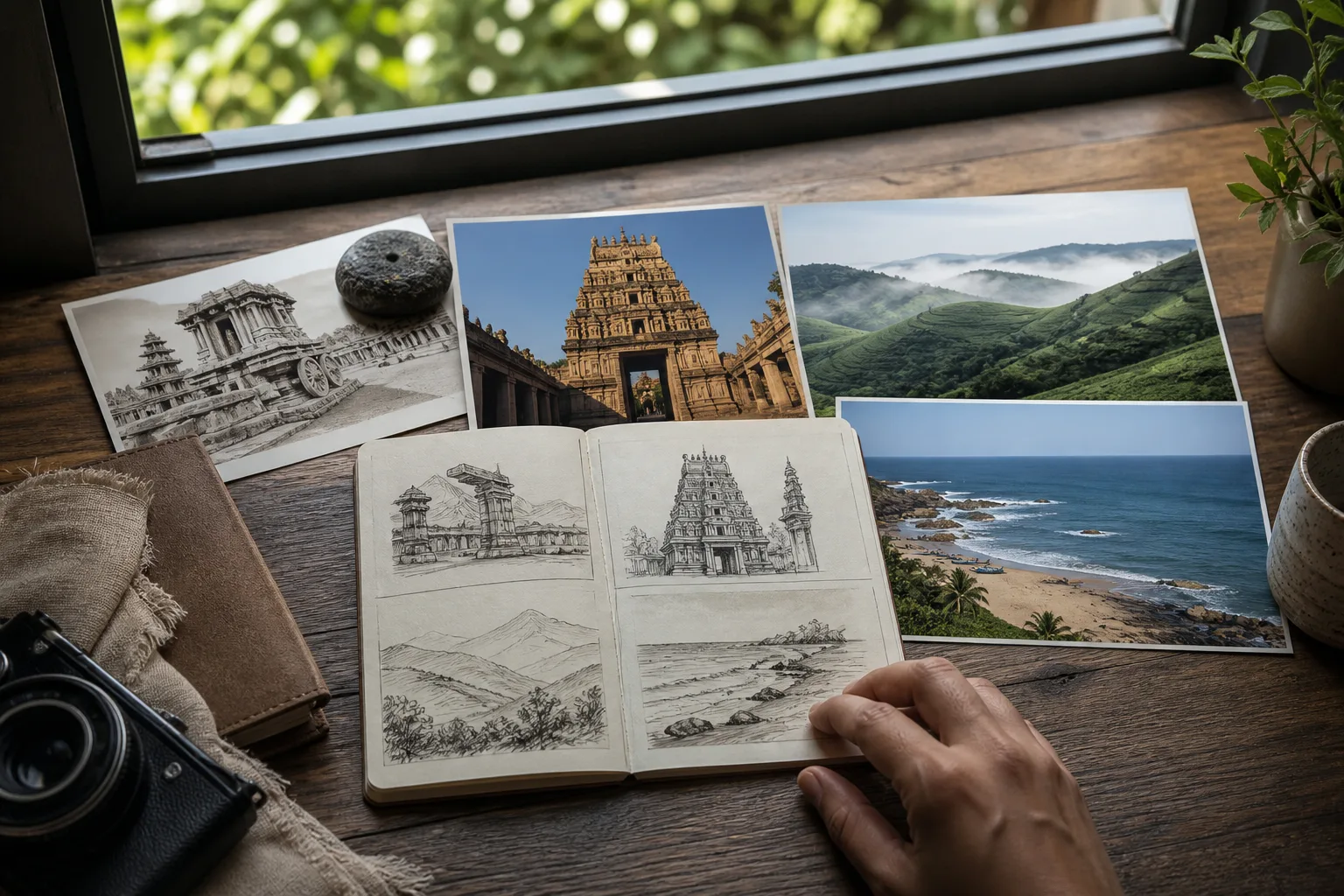
Choose an experience before choosing a route
The common first-trip mistake is to begin with a map and collect famous names until the journey becomes too large. Tamil Nadu rewards a different question: what kind of attention do you want to practise? Heritage travel asks you to compare layers and evidence. Temple travel asks you to understand living sacred space. Hill travel slows you into weather and landscape. Coastal travel follows shore, settlement and marine context. Food and culture can deepen any of these rather than becoming a separate checklist.
This article does not produce an itinerary. It helps you choose the logic that an itinerary should follow. Once that logic is clear, the permanent First-Time Visitor Guide can handle practical preparation, named destination guides can supply local context, and the Trip Planner can organise a transparent sequence. Keep distances and travel times out of the decision until you check a real route and current transport information.
Sources for this section: Incredible India Tamil Nadu, Incredible India destinations.
Use the attention test
Imagine spending two unhurried hours in one place. Would you rather trace masonry, inscriptions and political layers; observe how worship and architecture organise a living temple; walk through a cool-feeling upland landscape; read the relationship between town and shore; or talk through ingredients, craft and performance with local context? The answer identifies your primary mode. It does not prevent other experiences; it tells you which one should receive the best time and least rushed day.
Now test the imperfect version. Would the heritage day still matter without perfect light? Would the hill day work in cloud? Would the coastal day remain meaningful without swimming? Would the temple visit still be worthwhile when a sacred zone is restricted? A resilient trip style offers more than one reward. If the experience collapses when a single condition changes, make it a secondary option rather than the foundation of a first journey.
Sources for this section: IMD Chennai.
Choose heritage when you enjoy layers more than landmarks
A heritage-led first trip works for travellers who enjoy asking how places changed. Chennai can connect colonial, civic, religious and modern urban histories. Mamallapuram brings Pallava rock-cut, monolithic, relief and structural experiments into a coastal archaeological landscape. Thanjavur links Chola monumental architecture with inscriptions, later courtly and cultural institutions, and a living city. The value lies in comparison, not in photographing three isolated monuments.
This style needs reading time and tolerance for ambiguity. Protected monuments, museums, religious sites and urban heritage each have different rules. Do not assign one dynasty or period to an entire city. Use UNESCO and official records for designated properties, then let local guides explain evidence and later layers. A heritage route can include excellent food, temples and coast, but its schedule should protect the hours when you can observe one place carefully instead of racing between icons.
Sources for this section: UNESCO Mamallapuram, UNESCO Chola temples, Incredible India Tamil Nadu.
Choose a temple-focused trip when living sacred space is central
A temple-focused journey is not simply a route among towers. It involves architecture, ritual practice, sacred geography, queues, sound, offerings, urban movement and rules that differ by institution. Madurai offers a dense temple-city relationship around Meenakshi Sundareswarar. Rameswaram connects Ramanathaswamy Temple with island and seashore pilgrimage geography. Thanjavur provides another experience through a monumental Chola temple that remains a place of worship within a protected property.
Choose this style only if you are comfortable letting worship take priority over photography and access. Dress for sacred places, expect to remove footwear where directed and verify current rules through official temple channels. Do not promise yourself a particular ritual moment or unrestricted interior. The architecture-and-respect story provides a method for attentive visiting; individual temple guides provide chronology, tradition and planning boundaries.
Sources for this section: Meenakshi temple, Ramanathaswamy temple, UNESCO Chola temples.
Choose hills when landscape and slower weather-led days appeal
A hill-led journey suits travellers who value changing light, vegetation, close landscape detail and a slower base. Ooty and the Nilgiris offer a highland town within a much larger mountain, settlement and ecological context. Kodaikanal belongs to the Palani Hills; Valparai and Anamalai reveal another relationship among forest, plantation and elevation. These are not interchangeable cool escapes, and no hill station guarantees clear views or a particular temperature.
This style requires flexibility. Weather can alter visibility, surfaces and access, while winding roads and protected-area rules can shape activity choices. Keep the plan worthwhile without a viewpoint or wildlife sighting. Use town walks, gardens, cultural history and authorised nature interpretation as complementary rewards. Never follow unverified trails, enter estate land without permission or stop traffic for wildlife. The Western Ghats and Hill Stations guides help distinguish landscape from tourism shorthand.
Sources for this section: UNESCO Western Ghats, Nilgiris district tourism, IMD Chennai.
Choose the coast when shore, settlement and open horizons matter
A coast-led first trip can begin with Chennai's urban waterfronts, continue through Mamallapuram's protected archaeological coast or move toward the island and Gulf context around Rameswaram. The experiences differ: public city beach, working shore, sacred seafront, eroding archaeological edge and shallow marine ecosystem should not be described as one beach holiday. The coast is a cultural and geographic landscape even when water entry is not appropriate.
This style requires current weather and sea awareness. Swimming, boating and marine activities depend on local rules, operator status and conditions that an evergreen page cannot certify. Avoid treating fishing craft or work areas as props, ask before photographing people and keep away from protected or sensitive habitat. Pairing coast with one heritage or temple base often creates a richer first trip because the same shoreline can be read through archaeology, livelihood, worship and ecology.
Sources for this section: UNESCO Mamallapuram, Ramanathapuram district tourism, IMD Chennai.
Use food and culture as a way to deepen any route
Food and culture do not need a separate cross-state race. A Chennai heritage base can include markets, music institutions and multiple regional food traditions shaped by migration. Thanjavur can connect temple and courtly histories with music, dance, craft and delta foodways. Madurai can reveal night-time food culture, literary memory and urban ritual life. A hill or coastal base can direct attention to cultivation, fishing, preservation, seasonal ingredients and community histories.
Choose one or two questions rather than a list of famous dishes or performances. How does water shape this region's staple? Which institution supports an art form? Is a craft demonstration public and fairly represented? Ask before photographing kitchens, artisans or performers, and avoid presenting one commercial venue as uniquely representative. The Food and Culture hubs provide deeper context, while the regional food story offers a journey through difference without turning cuisine into rankings.
Sources for this section: Incredible India Tamil Nadu.
Choose depth before breadth
Once a primary style is clear, choose one strong base and one complementary context. A heritage traveller might use Chennai with Mamallapuram, or Thanjavur with nearby Chola context. A temple traveller might stay with Madurai's urban sacred geography rather than adding distant shrines. A hill traveller can understand one mountain region instead of comparing every hill station. A coastal traveller can read one shoreline deeply before moving to another marine or archaeological setting.
This is a decision principle, not a fixed itinerary or distance claim. Use a current map and transport source to test whether the pairing is practical for your dates and pace. If movement consumes the time intended for observation, remove a place. A first journey does not need to prove comprehensive knowledge. It should establish a coherent relationship with Tamil Nadu that later trips can expand.
Sources for this section: Incredible India Tamil Nadu.
Let seasonal tolerance refine the style
Best time is not one statewide answer. Heat tolerance, rain tolerance, crowd preference, elevation and planned activity matter more than a generic label. A heritage trip includes outdoor courts and streets; a temple trip may encounter festival crowds; a hill trip is sensitive to cloud and rain; a coast trip is sensitive to heat, humidity, wind and sea conditions. Broad month guides can frame these trade-offs, but they are not forecasts.
After choosing a style, ask what would make it uncomfortable or unsafe for your group. Families, older travellers and visitors with mobility, sensory or health needs may prioritise shade, rest, surface condition and simple transfers differently. Use current weather, official notices and direct accessibility information close to travel. Do not let a seasonal average overrule a warning or a place-specific restriction.
Sources for this section: IMD Chennai.
Write a one-page decision card
Complete five lines before using the planner: primary trip style; one secondary interest; the experience you most want to protect; the condition most likely to disrupt it; and an alternative you would genuinely enjoy. Then choose a base that supports both the primary experience and the alternative. This simple card makes trade-offs visible and stops the itinerary from becoming a list assembled by fear of missing out.
Keep factual blanks blank until checked. Do not estimate travel time from memory, assume a temple rule, promise wildlife, carry a previous festival date forward or treat a map route as proof of road condition. The Trip Planner can organise interests and days without inventing live facts. By Month can provide seasonal orientation, and Today can guide you toward current sources. Final bookings and regulated activities still require direct confirmation.
Sources for this section: Incredible India Tamil Nadu, IMD Chennai.
Four starting patterns, without turning them into prescriptions
For heritage, begin with Chennai, Mamallapuram or Thanjavur and protect time for one layered site. For temples, begin with Madurai, Rameswaram or a named major temple whose tradition you have read. For hills, begin with Ooty or another reviewed upland base and keep weather-sensitive activities optional. For coast, begin with Chennai or Mamallapuram, or choose Rameswaram when marine and pilgrimage context is central. Each pattern is an editorial doorway, not a ranking.
Your first Tamil Nadu trip can also decline all four as a dominant theme and start from family connection, language, food, craft or a specific town. The framework exists to clarify attention, not to standardise travellers. Whichever doorway you use, connect it to district and destination guides, verify current information, and leave unscheduled room. A trip with a clear question and fewer places usually teaches more than a route designed only to cover ground.
Sources for this section: Incredible India destinations, Incredible India Tamil Nadu.
Sources & Further Reading
These authoritative references support the historical, geographic, or seasonal context in this story. Current conditions and operating details still require a fresh official check.
- Tamil Nadu · Ministry of Tourism, Government of India
- Destinations · Ministry of Tourism, Government of India
- Group of Monuments at Mahabalipuram · UNESCO World Heritage Centre
- Great Living Chola Temples · UNESCO World Heritage Centre
- Western Ghats · UNESCO World Heritage Centre
- Tourism in the Nilgiris · Nilgiris District Administration
- Tourism in Ramanathapuram · Ramanathapuram District Administration
- Arulmigu Meenakshi Sundaraswarar Temple · Tamil Nadu Hindu Religious and Charitable Endowments Department
- Arulmigu Ramanathaswamy Temple · Tamil Nadu Hindu Religious and Charitable Endowments Department
- Regional Meteorological Centre Chennai · India Meteorological Department
Related Stories
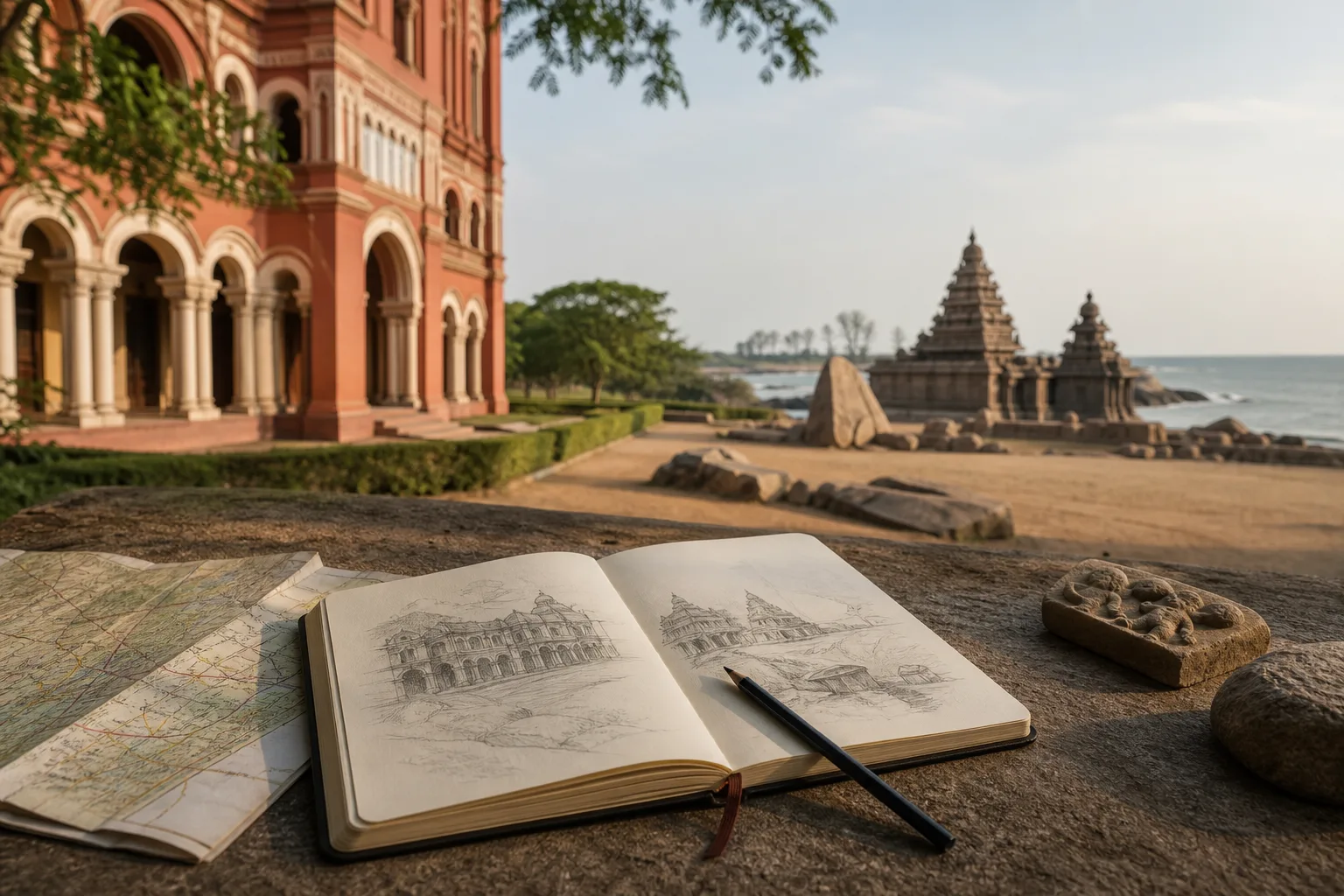
A Heritage Weekend from Chennai: How to Choose a Meaningful Route
A practical way to shape a heritage weekend from Chennai around one good question, a measured pace, and a choice between city and nearby extensions.
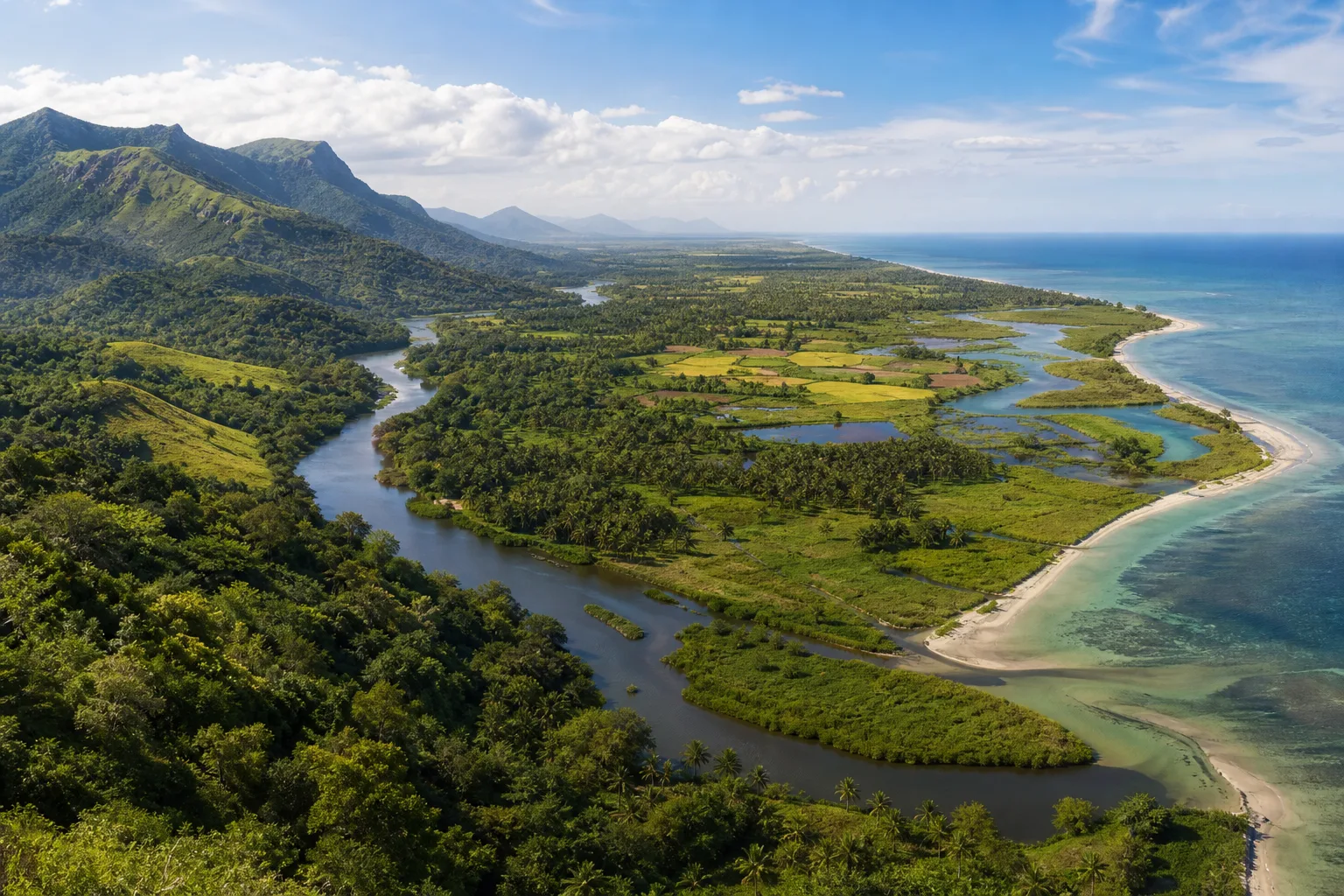
From the Western Ghats to the Coast: Reading Tamil Nadu's Connected Landscapes
Follow water and habitat from the Western Ghats through forests, wetlands and deltas to Tamil Nadu's eastern coast and marine shallows.
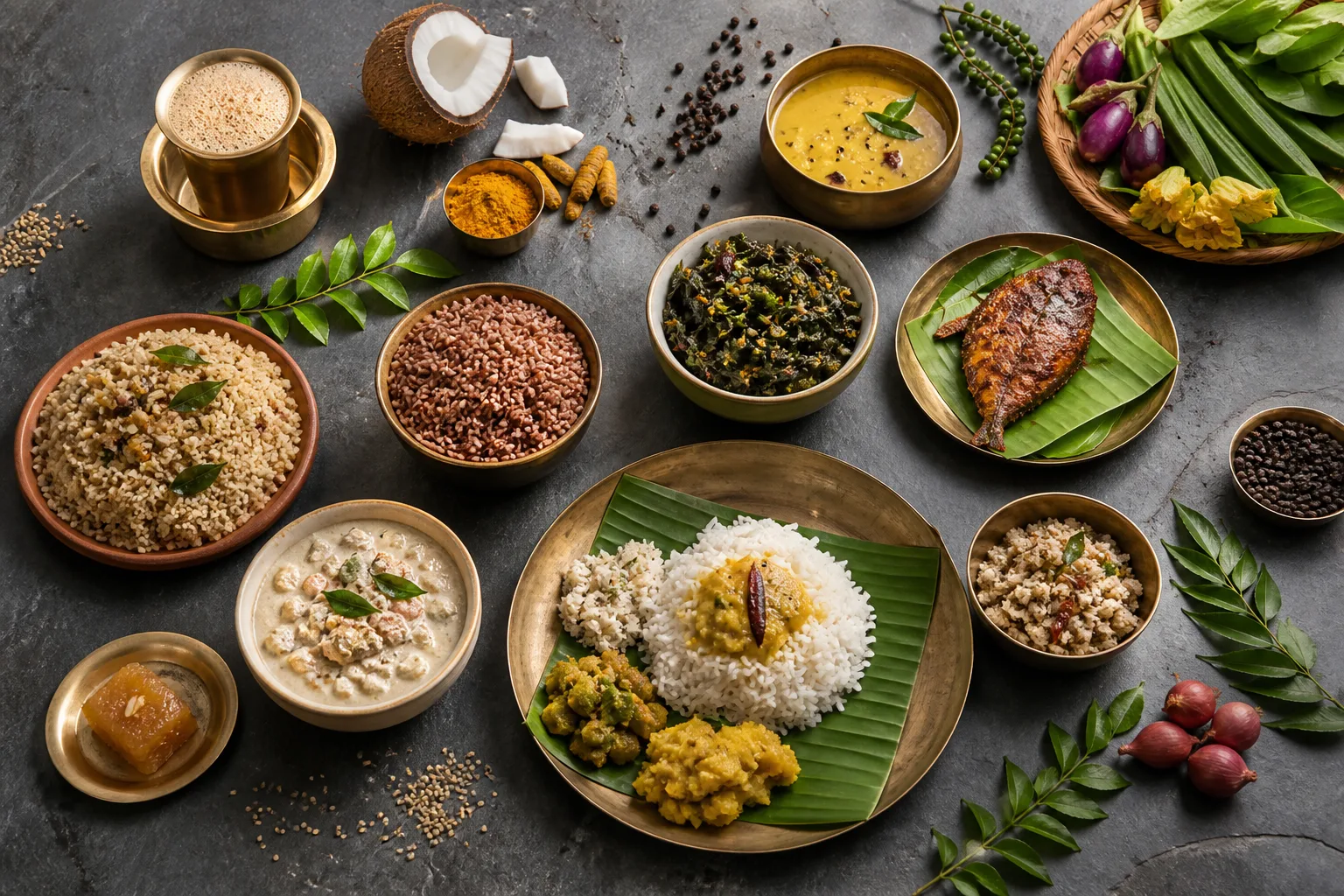
A Food Journey Through Tamil Nadu's Regional Cuisines
Travel across Tamil Nadu through the relationships among region, crop, technique, household memory, migration, worship, and changing city life.
Tamil Nadu for First-Time Visitors: Choose a Base, Then a Direction
A base-first decision method for matching Chennai, Madurai, Coimbatore or Tiruchirappalli with one realistic outward direction.
Frequently asked questions
Which Tamil Nadu destination is best for a first trip?
There is no universal best. Choose the experience you most value, then select a reviewed base that supports it and fits your current route, season and pace.
Can I combine heritage, temples, hills and coast in one first trip?
You can combine themes, but making all four equal priorities can create excessive movement. Choose one primary style and one complementary interest, then test the real route.
Does this article replace the Trip Planner?
No. It helps you decide what kind of journey to plan. The Trip Planner then organises selected interests and pace without claiming live conditions.
When is the best time for my chosen style?
Use By Month to compare broad seasonal patterns, then check current IMD information and place-specific notices. Activity and personal tolerance matter more than one statewide label.
How do I avoid an overpacked itinerary?
Protect one experience, choose fewer bases, test current travel logistics and remove any stop that consumes the time needed to understand the places already selected.
Editorial attribution
Prepared and reviewed by My Tamil Nadu Editorial Desk. Modified 15 August 2026.