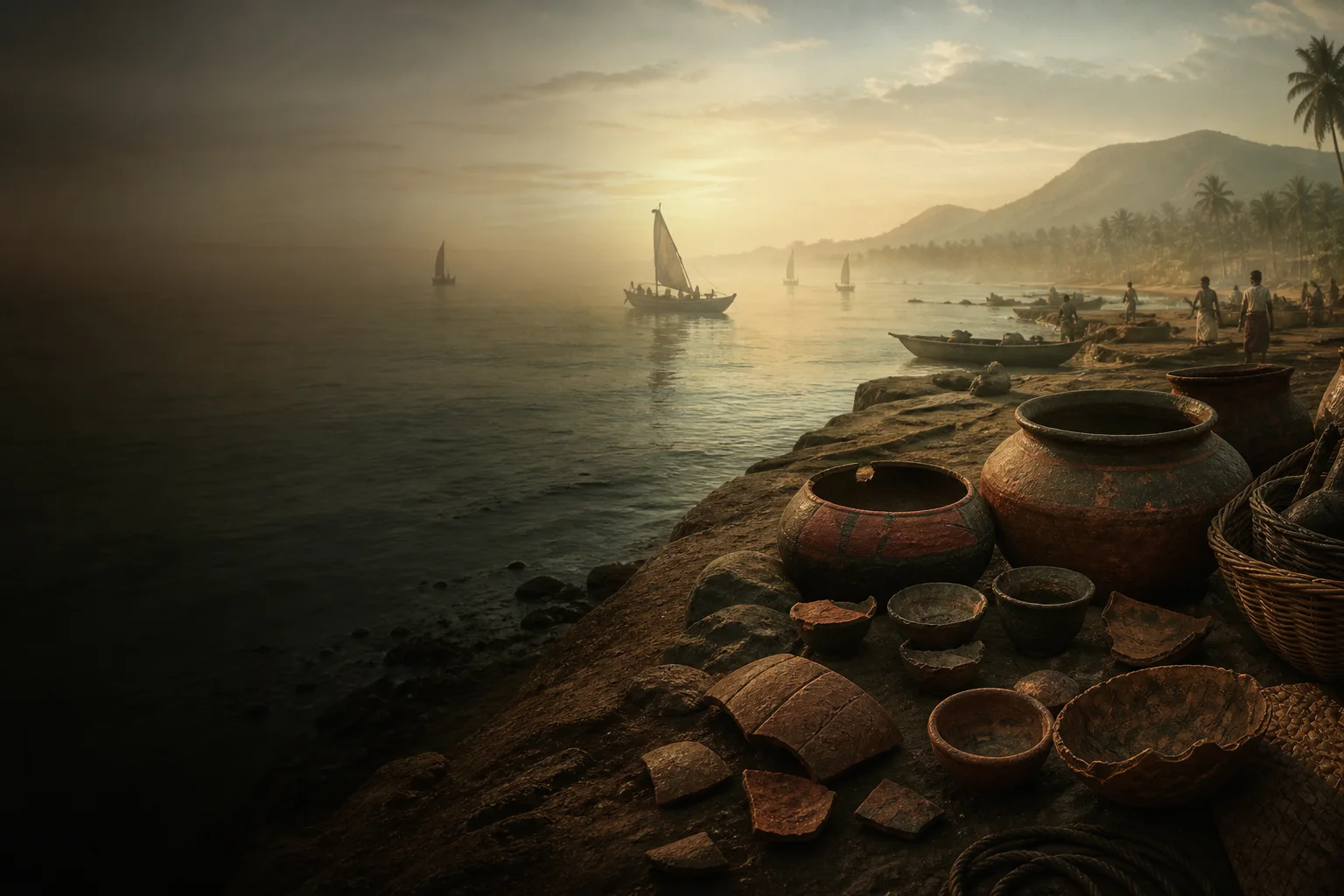
Lives in historical context
People Who Shaped Tamil Nadu
Explore statecraft, resistance, literature, and public life through 10 source-led profiles connected to the places and periods that give each life meaning.
Ten researched lives
Begin with a person, then follow the evidence
These profiles do not rank historical figures or force different lives into one story. Each page connects names, dates, places, works, institutions, and contested claims to a visible source register.
Published profiles
Rulers, writers, reformers, artists, and public leaders
Historical photographs, murals, reliefs, and memorials are identified separately so that modern representations are never mistaken for authenticated likenesses.
Showing all 10 profiles
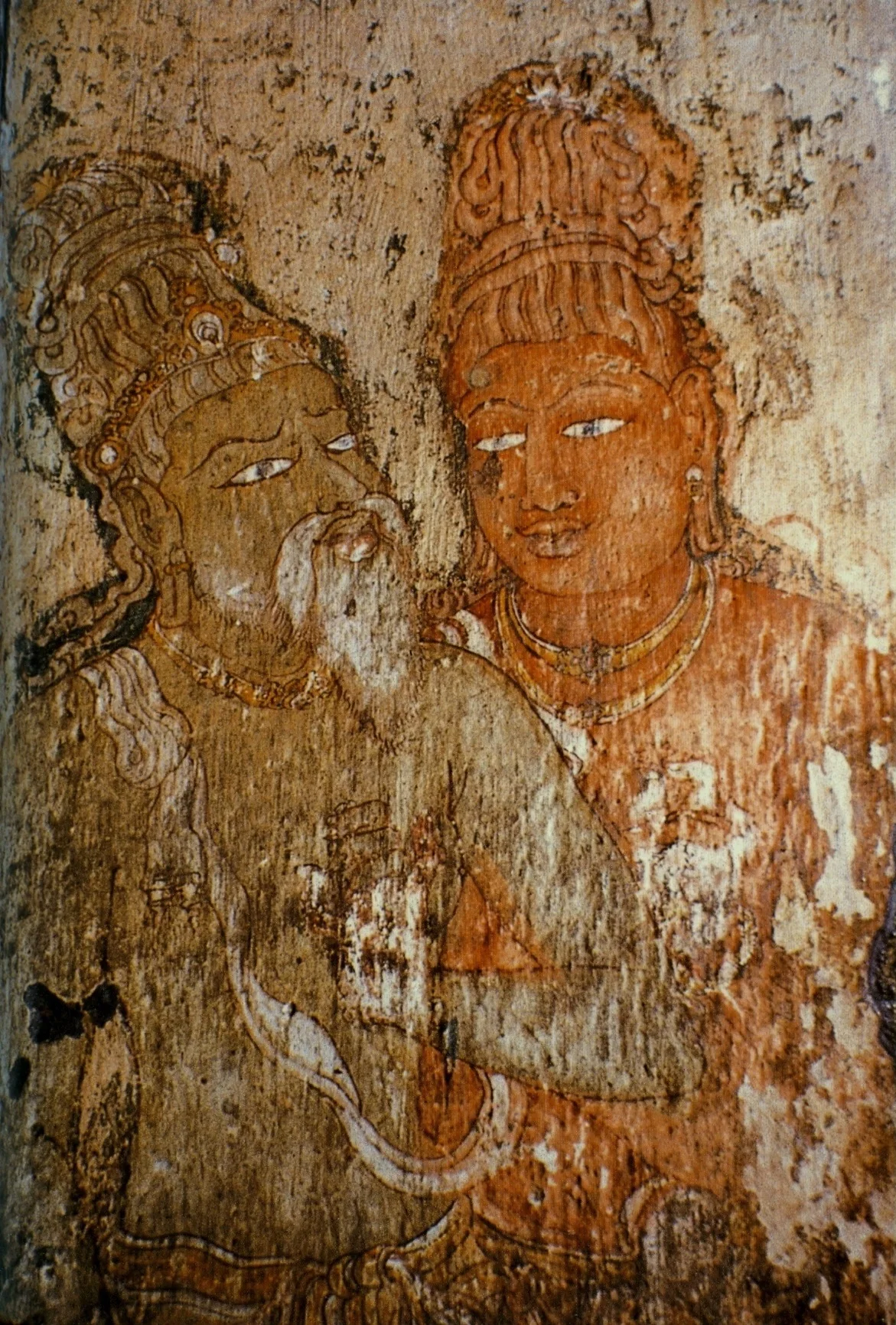
Rajaraja Chola I
முதலாம் இராஜராஜ சோழன்
Rajaraja Chola I ruled during a major expansion of Chola power in the late tenth and early eleventh centuries. Inscriptions and the Brihadisvara Temple at Thanjavur make his reign unusually visible, while also requiring readers to distinguish royal claims from the varied realities of rule.
Read profile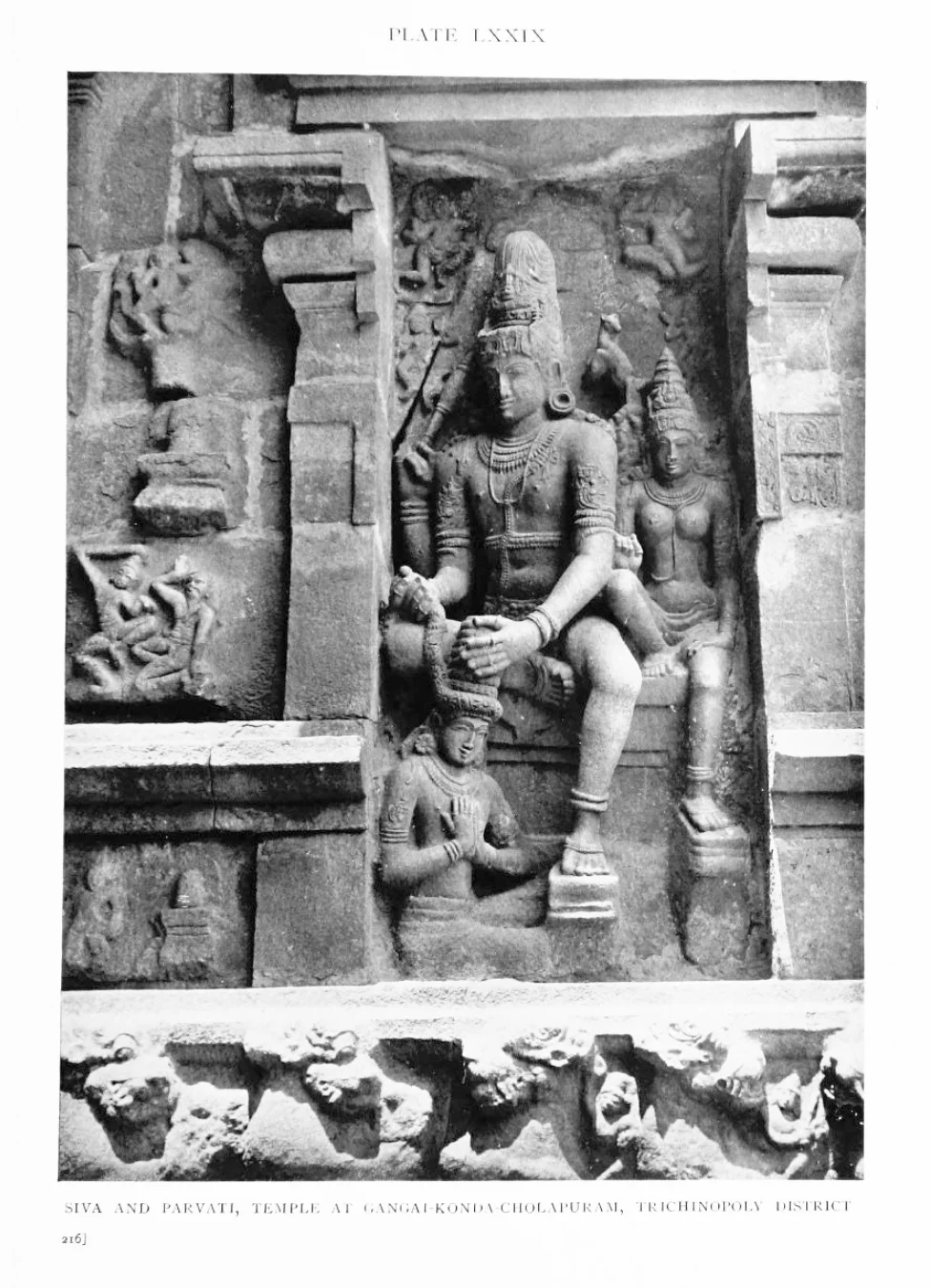
Rajendra Chola I
முதலாம் இராஜேந்திர சோழன்
Rajendra Chola I succeeded Rajaraja I and pursued a political program remembered through campaigns, inscriptions, and the new capital of Gangaikondacholapuram. His 1025 raid toward Srivijaya was consequential, but it was not permanent Chola rule over Southeast Asia.
Read profile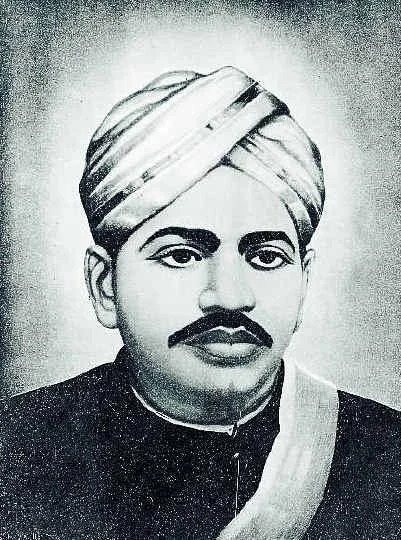
V.O. Chidambaranar
வ.உ. சிதம்பரனார்
V.O. Chidambaranar was a lawyer, swadeshi organizer, shipping-company promoter, labor activist, and Tamil writer. His work in Thoothukudi connected economic nationalism with port competition and worker organization, followed by prosecution, imprisonment, and a difficult later career.
Read profile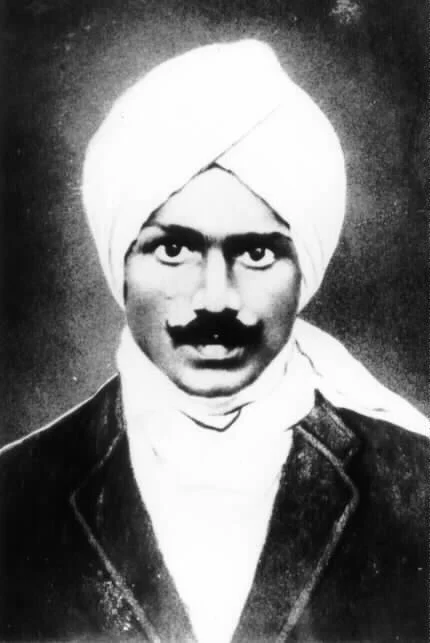
Subramania Bharati
சுப்பிரமணிய பாரதி
Subramania Bharati brought poetry, journalism, political argument, and social criticism into a charged early twentieth-century Tamil public sphere. His years in Ettayapuram, Chennai, and French-ruled Pondicherry shaped a body of work whose literary energy cannot be reduced to patriotic songs alone.
Read profile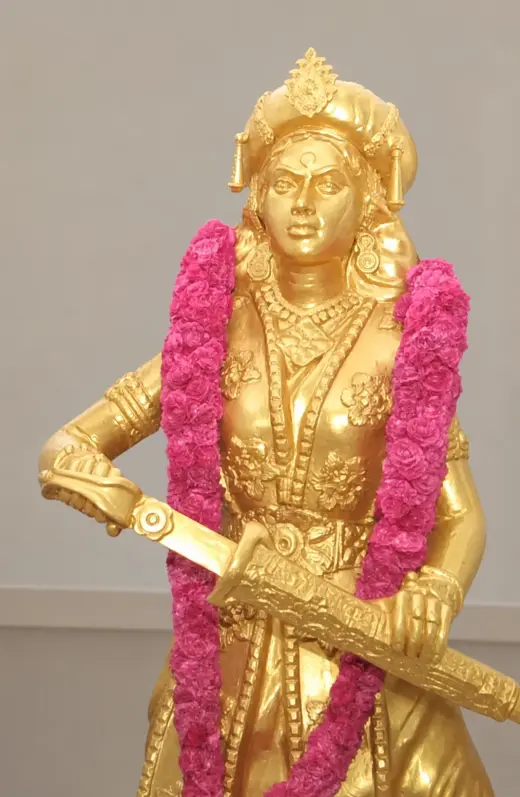
Velu Nachiyar
இராணி வேலு நாச்சியார்
Velu Nachiyar was an eighteenth-century ruler of Sivaganga whose life was shaped by regional warfare, East India Company intervention, displacement, alliance, and restoration. Her resistance predates the organized nationalist movement and should be understood in its own political world.
Read profile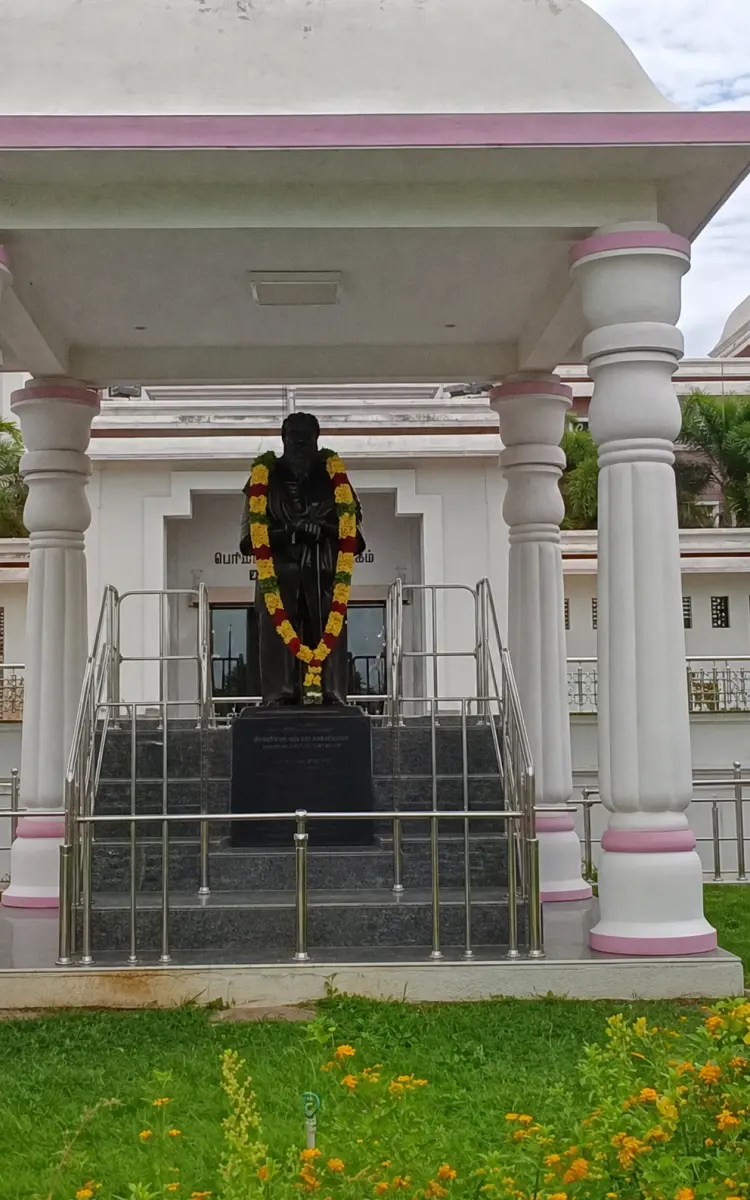
Periyar E.V. Ramasamy
பெரியார் ஈ. வெ. இராமசாமி
Periyar E.V. Ramasamy was a central organizer and polemicist in twentieth-century Tamil social and political life. His campaigns against caste hierarchy, religious authority and patriarchy helped shape the Self-Respect and Dravidian movements, while his methods and language remain subjects of historical argument.
Read profile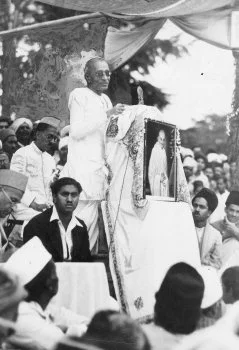
C. Rajagopalachari
சி. இராஜகோபாலாச்சாரி
C. Rajagopalachari moved between law, anti-colonial politics, constitutional office, state government, literature and opposition politics. His career includes the distinction of becoming independent India's only Indian Governor-General as well as policies and arguments that remain sharply debated.
Read profile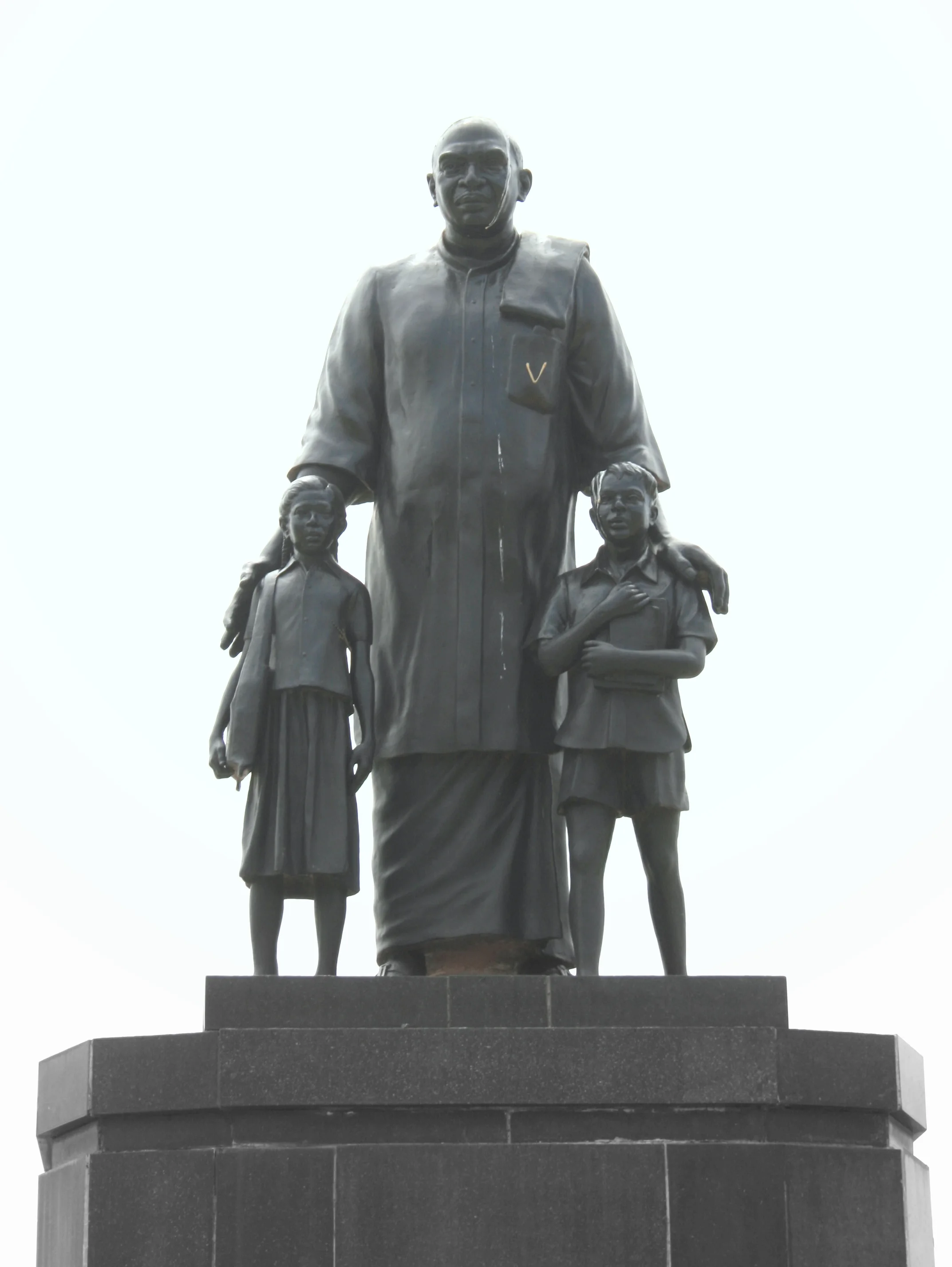
K. Kamaraj
க. காமராஜர்
K. Kamaraj rose from nationalist organization in Virudhunagar to lead Madras State and later the Indian National Congress. His government is strongly associated with school expansion and the statewide development of a school meal programme, but accurate history must distinguish these measures from programmes that existed earlier and changed later.
Read profile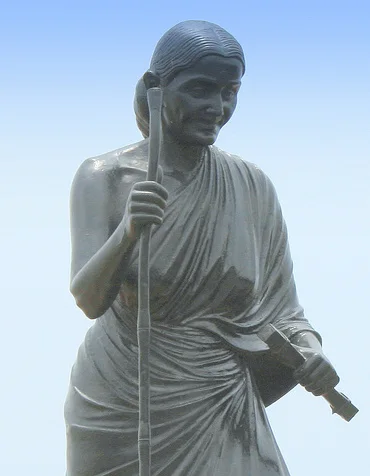
Avvaiyar
ஔவையார்
Avvaiyar is not securely one biographical person with one lifetime. The name is associated with a woman poet in the Sangam anthologies and with later didactic and devotional works, so this guide keeps the literary layers separate while explaining why the name has such a powerful place in Tamil culture.
Read profile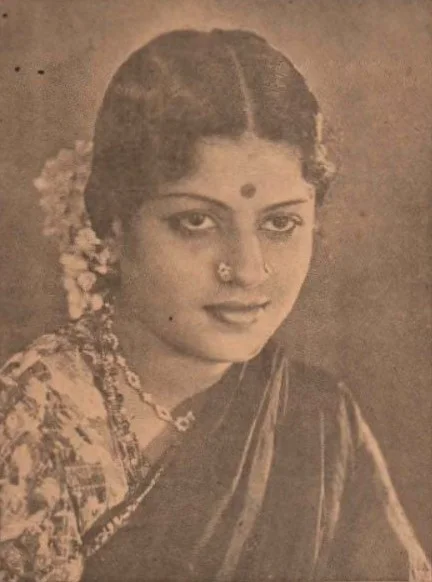
M.S. Subbulakshmi
எம். எஸ். சுப்புலட்சுமி
M.S. Subbulakshmi brought rigorous Carnatic musicianship, precise language and a wide devotional repertoire to concert, recording, film and international stages. Her career also illuminates women performers, hereditary music, broadcasting, institutions and the making of modern public culture across a century of technological and social change.
Read profileEditorial method
A biography is more than a list of achievements
Evidence before certainty
Dates, titles, events, and quotations are tied to identifiable sources. Approximate, disputed, or unknown dates remain visibly qualified.
Place and period
Profiles connect to completed district, destination, history, culture, and temple guides only where the relationship is meaningful.
Portrait integrity
No generated likeness is presented as a real person. Historical photographs and later representations are clearly distinguished in every caption.
Multiple perspectives
Legacy, public memory, consequence, and historical limits are addressed without turning a complex life into praise or dismissal.
Keep the context visible
Understand the world around a life
Move from a biography to the periods, geographies, monuments, and cultural traditions that support it.
Publishing standard
What earns a public profile
Only records marked published after source, geography, image, and editorial review enter this hub, search results, or the sitemap.
- Verified names and historically appropriate alternate forms
- Sourced dates with uncertainty shown honestly
- Life, work, places, institutions, and legacy in context
- Inline citations and a complete source register
- Authenticated provenance or an explicit contextual-image label